








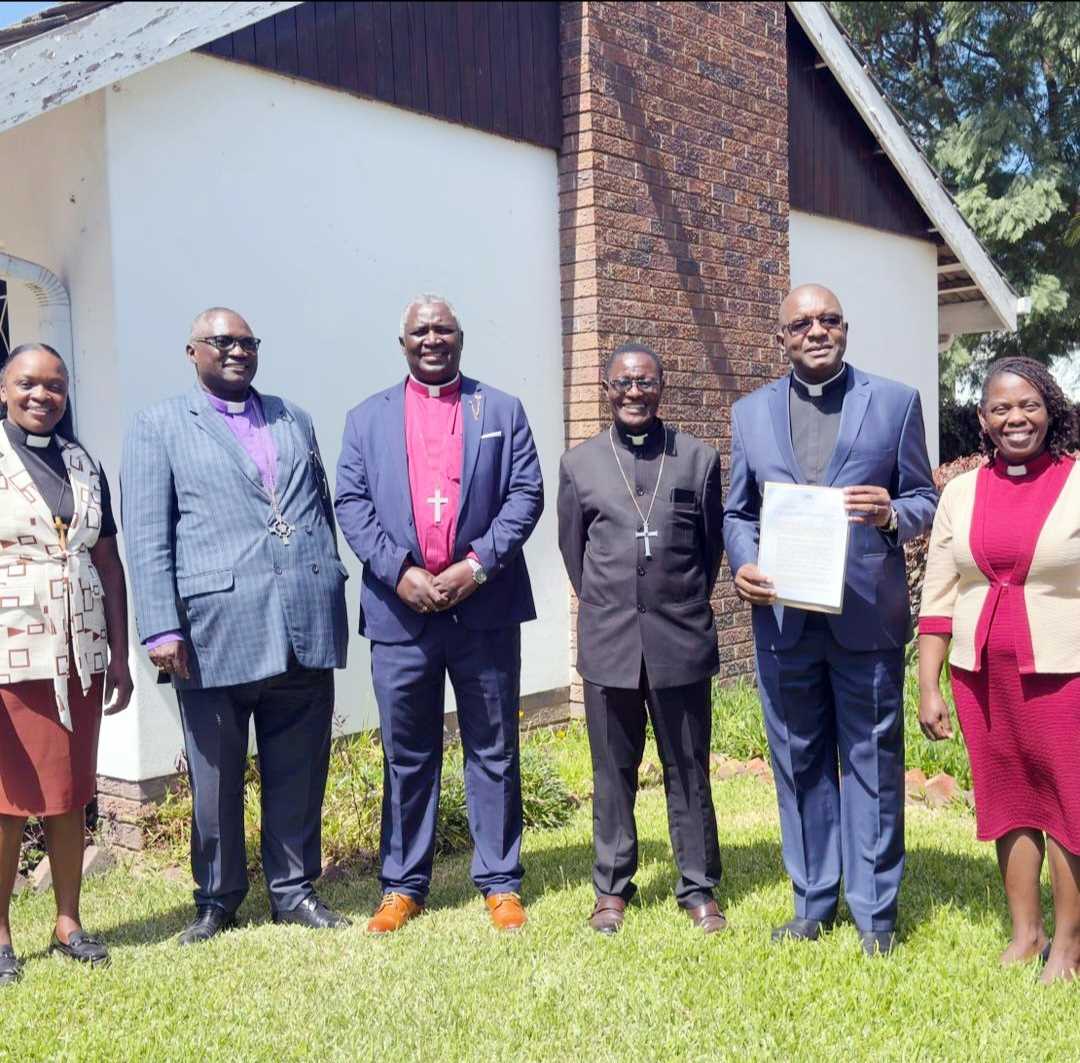
The Zimbabwe Council of Churches has formally opposed the Constitution of Zimbabwe Amendment (No. 3) Bill, warning that the proposed changes risk concentrating executive authority, weakening democratic accountability and undermining national development.
In a statement submitted to Parliament on April 13, 2026, the umbrella church body said it was compelled to speak out in its role as a moral watchdog, arguing that the proposed amendments could have long-term consequences for governance and citizens’ rights.
“The Zimbabwe Council of Churches… opposes the Constitution of Zimbabwe Amendment Bill No. 3 (2026) because of the potential harm it causes to the nation and the legacy of our current President,” the organisation said.
The council, which represents 32 member denominations with an estimated reach of at least three million citizens, said its position followed reflection and consultations among stakeholders.
According to the submission, the church believes the Bill “concentrates executive power — contrary to Christ’s servant-leadership model” and risks shifting governance away from democratic principles.
The ZCC warned that the amendments could “open the door to corruption and the massive, unchecked accumulation of wealth by those in power,” arguing that weakening accountability mechanisms would allow authority to be exercised without sufficient democratic renewal.
The council further expressed concern that the proposed changes could undermine national development by protecting political elites at the expense of institutional growth.
Related Stories
“Genuine long-term development requires stable institutions, not prolonged incumbency,” the statement read.
Church leaders also argued that the Bill diminishes citizen participation in leadership selection and weakens oversight institutions designed to ensure transparency.
The organisation said the amendments “diminish citizen agency in selecting leaders” and “weaken accountability institutions despite the divine mandate to ‘do justly and walk humbly.’”
Beyond governance issues, the council framed its opposition as a moral and ethical stance rooted in faith principles, saying the proposed law fails to protect vulnerable citizens and undermines efforts toward national healing and reconciliation.
“On moral, ethical and theological grounds, the Church cannot support an amendment that compromises public trust, weakens democratic accountability, and diverges from God’s will for just and compassionate leadership,” the ZCC said.
“It is morally indefensible before God for leaders to silence the people’s voices in this manner.”
As part of its recommendations to Parliament, the ZCC called for lawmakers to either withdraw or substantially revise the Bill in its current form.
The intervention places religious institutions among the growing voices weighing in on constitutional reforms, adding a moral dimension to what has largely been a political and legal debate.
Parliament is expected to continue receiving submissions from various stakeholders before deliberations on the proposed constitutional amendments proceed.










Leave Comments