





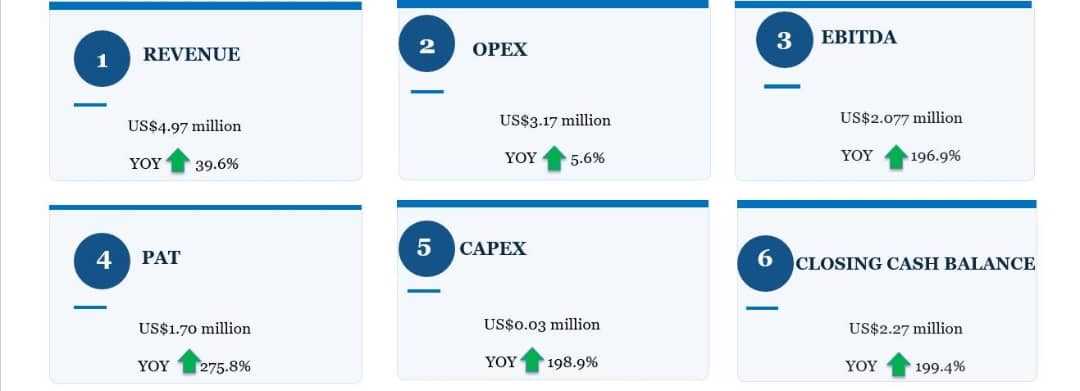




In corporate governance, there is a fine line between legitimate shareholder activism and outright operational sabotage. The recent, unilateral attempt by a minority shareholder to force RioZim Limited into corporate rescue is a textbook example of the latter. It is a reckless manoeuvre and a thinly veiled "bad faith" strategy designed to disrupt and derail a carefully calibrated strategic recovery plan.
In any functional corporate structure, a shareholder who believes a company is drifting off course has a clear, legally defined hierarchy of remedies. By completely leapfrogging these corporate remedial channels, the shareholder in question has exposed the true intent. This is not an act of corporate rescue; it is an act of corporate disruption with an ulterior motive driven by a handful of very dangerous and greedy elements. It is a blatant abuse of the spirit of the Insolvency Act.
Individual equity holders cannot unilaterally weaponize corporate rescue proceedings especially when personal interests are mischaracterized as commercial insolvency. It cannot be utilized as a tactical weapon by a few self-interested people to bypass established corporate governance channels, alter share dynamics, or strip an operating board of its statutory powers when internal corporate remedies remain unexhausted.
Related Stories
The ulterior motive of this application is crystal clear from a very basic question that “Why would a shareholder apply for Corporate rescue proceedings?”
It presents a fundamental economic contradiction:
A rational equity holder seeks to maximise or protect share value, while on the other hand corporate rescue prioritises the rehabilitation of the company for the primary benefit of creditors and employees and equity value is frequently diluted or rendered entirely negligible. If a minority shareholder is dissatisfied with the way a company is managed they also have an option to divest or use appraisal rights providing an orderly exit.
Corporate rescue can freeze credit lines, spook international suppliers, and paralyze day-to-day decision-making. For a mining company relying on continuous investment and operational agility, throwing RioZim into judicial limbo is equivalent to economic self-harm. If opportunistic actors are permitted to weaponize corporate rescue mechanisms for personal or factional interests, a dangerous precedent will be set for Zimbabwe's entire resource sector. It creates an environment of regulatory and operational instability that will scare away the domestic and foreign capital vital for national economic growth.
Perhaps most disturbing of all is the thick veil of anonymity surrounding these manoeuvres. While a minority vehicle is used as the face of these legal assaults, it remains entirely unclear who the true architects are, pulling the strings from the shadows. The attempt to force corporate rescue under these circumstances must be recognized for what it is: a counter-productive distraction that serves personal or factional interests at the expense of employees, creditors, and the broader investing public. Ultimately, it is time for robust corporate governance to prevail over opportunistic, faceless litigations.









Leave Comments