






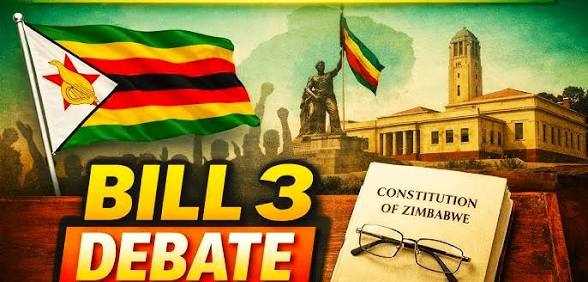
For months now, Zimbabwe’s public discourse has been dominated by tension, suspicion and outright contestation around the 2030 agenda. What was once framed as a developmental milestone—Vision 2030—has increasingly become a lightning rod for political anxiety, with many interpreting it through the lens of power, succession and constitutional boundaries.
The result? A national conversation that feels less like a shared journey and more like a battleground.
Yet beneath the noise, the outrage and the political manoeuvring, there lies an overlooked question: is there anything within this “mess” that can actually unite Zimbabweans?
Surprisingly, the answer is yes—but only if the conversation shifts.
At present, the 2030 agenda is being debated at the level of personalities and intentions. Supporters defend it as a continuation of a long-term national vision. Critics see it as a veiled attempt to extend political power. Both positions are deeply entrenched, and neither is likely to convince the other anytime soon.
But this framing misses something crucial.
Ordinary Zimbabweans are not primarily concerned with who owns Vision 2030. They are concerned with what it delivers—and whether those promises translate into lived reality.
In that gap between promise and experience lies the country’s most powerful potential rallying point.
Across political, social and economic divides, Zimbabweans share a remarkably consistent set of aspirations. Whether in Harare, Gutu, Bulawayo or Mutare, people want a country where effort is rewarded, where prices are predictable and where basic services function without struggle. Zimbabweans are not divided by what they want—they are divided by whether they believe anyone will deliver it.
This is not ideological. It is practical.
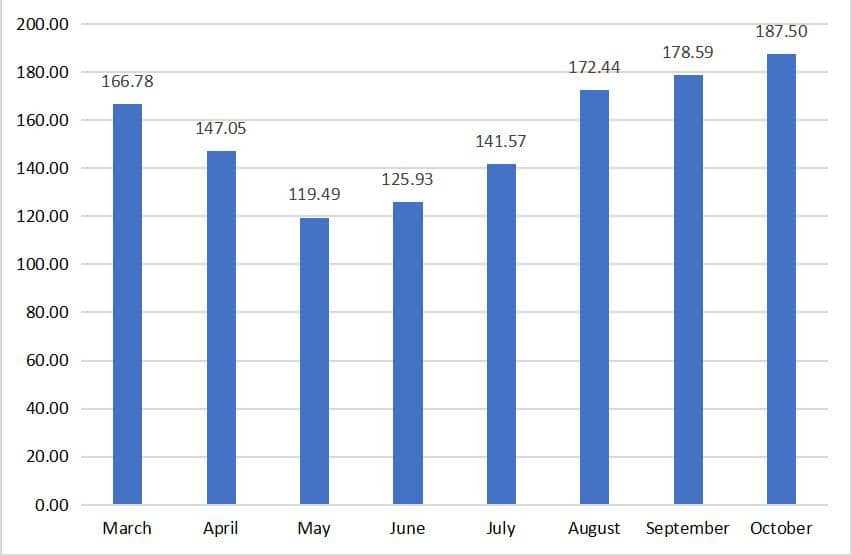
A vendor navigating fluctuating exchange rates, a civil servant managing an eroding salary and a business owner trying to plan beyond a week all face the same fundamental challenge: uncertainty. In recent months, sharp fuel price movements and persistent exchange rate instability have only deepened that anxiety, reinforcing a sense that the economic ground is constantly shifting beneath people’s feet. And uncertainty, more than any political disagreement, is what erodes national cohesion.
This is why currency stability, for instance, has quietly emerged as a potential unifier. It affects everyone—rich and poor, urban and rural, politically aligned and opposed. Unlike abstract policy goals, it is felt daily. It is immediate. It is real.
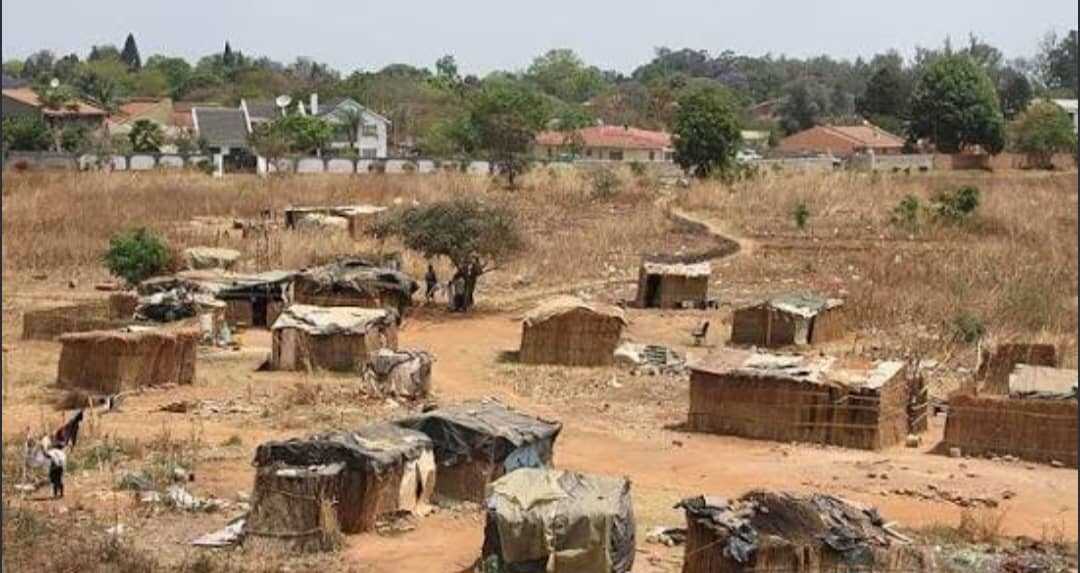
The same can be said for service delivery. Zimbabweans may disagree on leadership, but there is broad consensus on outcomes. Functional hospitals, reliable electricity and usable roads are not partisan demands. They are universal expectations. If anything, the real question is no longer whether these outcomes are desirable, but why they remain persistently out of reach.
In this sense, the real rallying point is not Vision 2030 as a slogan, but the idea of a functional Zimbabwe.
A country where systems work.
A country where planning is possible.
Related Stories
A country where citizens do not have to build their lives around failure.
This reframing matters because it shifts the debate from politics to performance. It allows Zimbabweans to hold different political views while agreeing on a common standard for progress. It also places pressure on leadership—across the board—to respond not with rhetoric, but with results.
Equally important is the question of the youth.
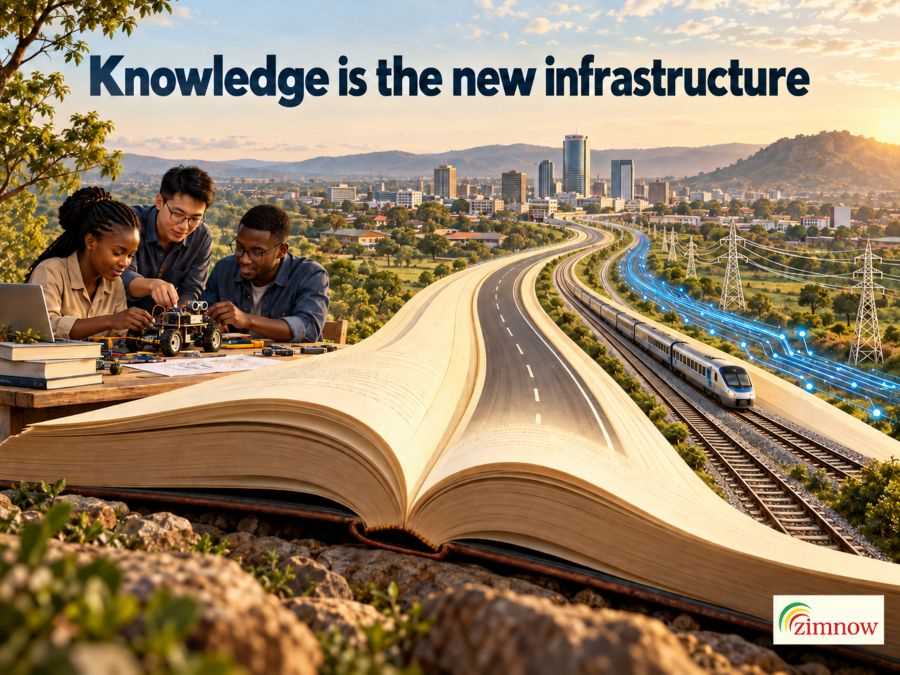
Zimbabwe’s young people, who make up the majority of the population, are perhaps the most politically diverse yet economically aligned group in the country. Their concerns are less about party loyalty and more about opportunity, mobility and dignity.
For many, the defining question is simple: can I build a future here?
This cuts across every divide.
A Zimbabwe where young people can find meaningful work, start businesses and envision long-term stability is a Zimbabwe that unites rather than fragments. Conversely, a Zimbabwe where the youth feel excluded or compelled to leave will remain perpetually unsettled, regardless of political outcomes.
There is also a subtle but significant opportunity in reclaiming national pride. Zimbabweans have consistently shown that they can rally around moments of shared identity—be it in sport, culture or regional influence. These moments are powerful precisely because they transcend politics.
The challenge is to extend that same spirit into governance and development without allowing it to be monopolised by any single narrative.
Ultimately, unity will not come from resolving every political disagreement. That is neither realistic nor necessary. It will come from identifying and amplifying what is already shared.
And what is shared is this: a desire for stability, dignity and progress that can be felt—not just promised.
The 2030 debate, for all its tension, has inadvertently exposed this common ground. It has revealed that while Zimbabweans may disagree on leadership and strategy, they are far less divided on outcomes.
That is the opportunity.
If the national conversation can move beyond personalities and timelines, and instead focus on measurable improvements in people’s lives, then the current moment of consternation could evolve into something more constructive.
A reset.
A redefinition of what success actually means.
Because in the end, the question is no longer what Vision 2030 promises. The question is whether Zimbabweans still believe in promises at all.
Simbarashe Namusi is a peace, leadership and governance scholar as well as a media expert writing in his personal capacity.




Leave Comments