








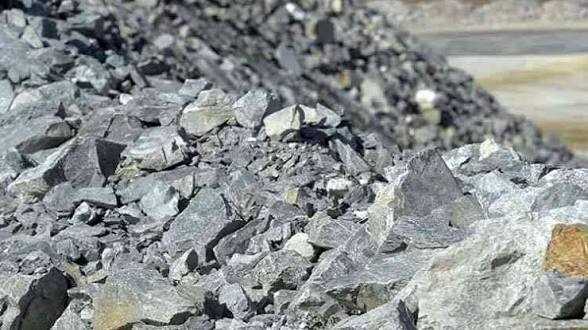
Government has outlined stringent conditions that lithium producers must meet before Zimbabwe considers lifting its ban on lithium concentrate exports, reinforcing a policy shift toward local beneficiation, transparency and sustainable mining practices.
In a letter addressed to the Chamber of Mines of Zimbabwe and copied to all lithium producers, Mines and Mining Development Minister Polite Kambamura said export restrictions would only be eased once companies demonstrate firm commitments to value addition within the country.
“The Government will only consider the lifting of the ban on lithium concentrate exports upon satisfactory compliance with the outlined beneficiation, fiscal, environmental and social obligations,” Kambamura said.
Beneficiation Takes Centre Stage
At the heart of the policy is a strong requirement for local processing of lithium resources. Mining companies are now required to provide written undertakings to establish beneficiation facilities capable of separating and processing all economic minerals before export.
Kambamura said the move seeks to ensure Zimbabwe captures greater economic value from its mineral wealth rather than exporting raw resources.
“Producers must submit binding commitments to establish facilities that enable the separation and processing of all economic minerals locally prior to export,” he said.
The minister added that companies must also commit to constructing lithium sulphate plants by 1 January 2027, subject to ministerial approval of technical specifications.
“This requirement is intended to anchor Zimbabwe’s participation in the global battery minerals value chain through downstream processing,” he said.
Tightening Transparency and Revenue Compliance
Government has also introduced strict financial and reporting obligations aimed at improving accountability within the lithium sector.
Under the new framework, mining companies must declare all minerals contained in export consignments for tax compliance purposes, fully acquit export proceeds, and publish annual financial statements beginning 31 December 2025.
“These measures are necessary to enhance transparency, strengthen revenue assurance and ensure the State derives fair value from its mineral resources,” Kambamura said.
Export Taxes and Production Controls
The policy introduces a 10 percent beneficiation tax on lithium concentrate exports, alongside producer-specific export quotas designed to regulate volumes leaving the country.
Related Stories
“Export quotas shall be allocated on an individual basis to ensure orderly marketing of lithium resources and alignment with national economic objectives,” the minister said.
Raising Industry Standards
Government is also pushing for improvements in mineral testing and quality assurance infrastructure. Producers must collectively establish two internationally accredited laboratories to serve the mining industry, while each producing mine must install on-site assay laboratories within three months.
“The establishment of accredited laboratories will enhance credibility of Zimbabwean minerals on international markets and reduce reliance on external testing facilities,” Kambamura said.
Labour and Community Obligations
Beyond production targets, the policy introduces social and labour requirements aimed at improving conditions for mining workers.
Companies are required to build adequate accommodation for local employees and align salaries with minimum standards set by the mining industry’s National Employment Council.
“Mining activities must translate into tangible socio-economic benefits for workers and surrounding communities,” Kambamura said.
Environmental Compliance and Monitoring
Mining operators must also establish dedicated Safety, Health and Environment (SHE) departments at every site to address occupational safety and environmental risks.
Kambamura said Government would establish a ministerial committee to monitor implementation, with producers required to submit monthly progress reports.
“Continuous monitoring will ensure timely implementation of commitments and adherence to responsible mining practices,” he said.
Case-by-Case Treatment for New Investments
The Government further clarified that new investments in the lithium sector will be assessed individually, allowing authorities to apply tailored conditions while maintaining regulatory oversight.
“All future lithium investments will be considered on a case-by-case basis to balance investment attraction with national beneficiation priorities,” Kambamura said.








Leave Comments