









Zimbabwean nationals serving prison sentences in South Africa could be transferred to correctional facilities in Zimbabwe under a new bilateral framework expected to be signed by the two countries this week.
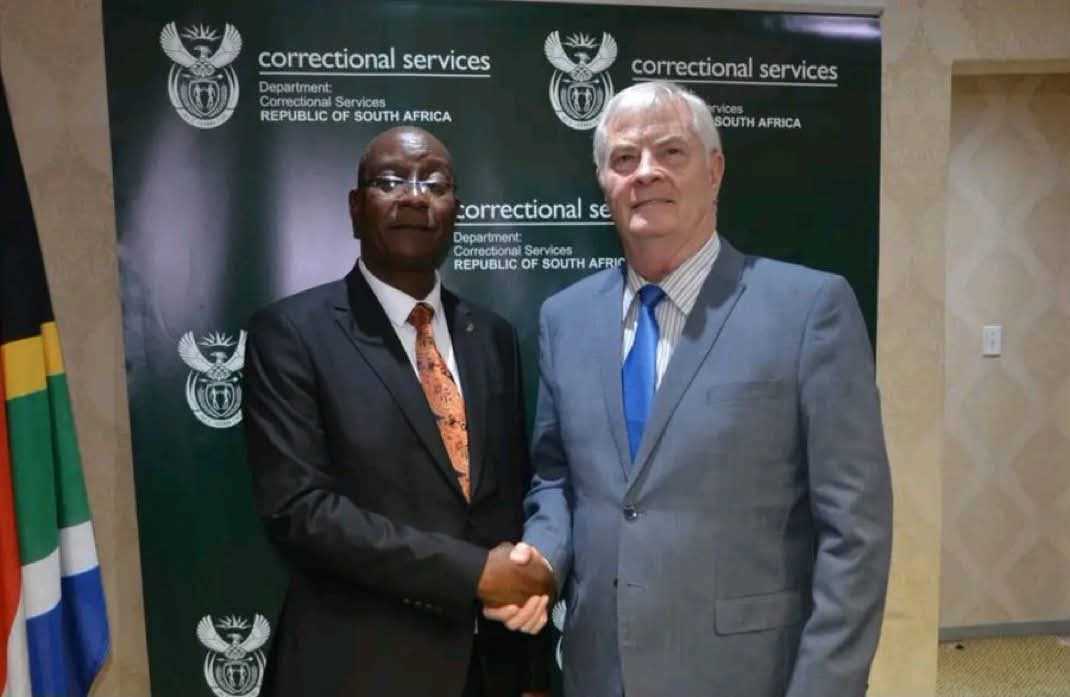
Justice, Legal and Parliamentary Affairs Minister Ziyambi Ziyambi and South African Correctional Services Minister Pieter Groenewald are expected to conclude a Memorandum of Understanding aimed at expanding cooperation between the two countries’ correctional authorities.
At the centre of the proposed agreement is a prisoner-transfer mechanism that could see eligible Zimbabwean offenders repatriated to serve their sentences at home, while South African prisoners incarcerated in Zimbabwe could similarly be transferred to South Africa.
The proposal could have its greatest impact on families separated by imprisonment, particularly those unable to afford frequent travel between the two countries.
Groenewald said research had found that “many foreign inmates prefer to serve their sentences in their home countries”, with family contact playing an important role in rehabilitation and potentially helping to reduce reoffending.
For Zimbabwean families, the ability to have relatives imprisoned closer to home could make regular visits more affordable and practical, while allowing inmates to maintain stronger relationships with their families during their incarceration.
The proposed system would not, however, mean an automatic transfer for every Zimbabwean prisoner in South Africa. Individual cases would have to meet conditions and procedures agreed upon by Harare and Pretoria.
Related Stories
The MoU also seeks to deepen cooperation beyond the movement of prisoners, with the two correctional services expected to share information, exchange personnel and technical expertise, conduct institutional visits and learn from each other’s approaches to prison management.
A further focus will be on agricultural and industrial activities inside correctional facilities, with the two countries seeking to strengthen prison self-sufficiency while equipping inmates with skills that can improve their prospects after release.
For Zimbabwe, such cooperation could complement the Zimbabwe Prisons and Correctional Service’s rehabilitation mandate, which includes skills development, productive activities and preparing offenders for reintegration into society.
The involvement of South African Police Service National Commissioner Makgothi Thobakgale in the bilateral discussions also points to a broader criminal justice dimension, with correctional cooperation increasingly becoming part of efforts to strengthen law-enforcement collaboration between African countries.
The proposed agreement comes as Zimbabwe and South Africa prepare for the 21 August meeting of their Bi-National Commission, where President Cyril Ramaphosa will host President Emmerson Mnangagwa.
The meeting is expected to review progress on existing bilateral commitments and produce further agreements aimed at deepening cooperation across several sectors.
For Zimbabweans serving sentences on the other side of the Limpopo, however, the correctional agreement could translate into something far more immediate than diplomatic cooperation.
A prisoner-transfer system could reduce the financial and logistical burden on families, give inmates greater access to relatives during rehabilitation and establish a formal process for dealing with foreign offenders.








Leave Comments