









South Africa and Zimbabwe are seeking to turn their longstanding political ties into measurable economic gains, with transport infrastructure, border efficiency and industrialisation emerging as priorities at the latest session of their Bi-National Commission.
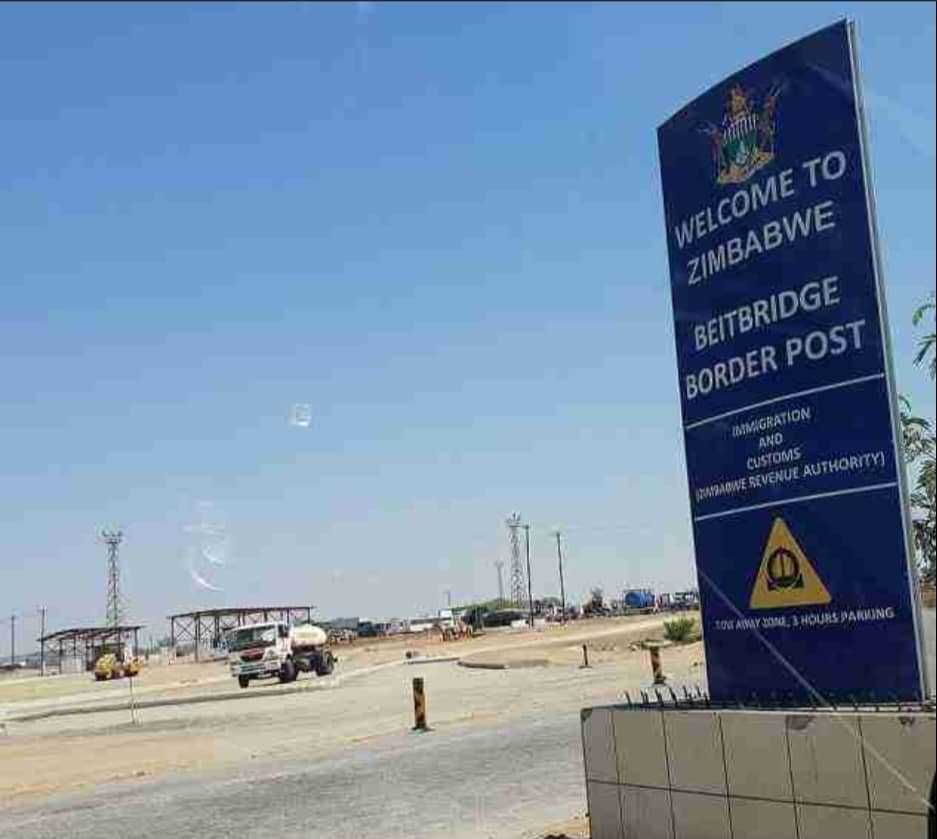
The Fourth Session of the South Africa-Zimbabwe Bi-National Commission concluded its ministerial segment in Pretoria on Thursday, with the two countries identifying the proposed Third Limpopo Bridge and full operationalisation of the Beitbridge One Stop Border Post among projects expected to strengthen trade between the neighbours.
South Africa’s International Relations and Cooperation Minister Ronald Lamola said the projects were part of a broader list of interventions that also includes a fertiliser manufacturing plant, automotive component production, mineral beneficiation and the development of industrial parks and Special Economic Zones.
“We are encouraged by the decision to identify high-impact priority projects,” Lamola said, listing the Third Limpopo Bridge and Beitbridge One Stop Border Post alongside the proposed industrial projects.
The focus on Beitbridge is particularly significant given the border’s role in connecting Zimbabwe to South Africa and the wider North-South Corridor. Faster movement of commercial traffic and people could reduce delays and logistics costs while strengthening Zimbabwe’s access to regional markets.
Lamola said the two countries could no longer afford to leave their bilateral relationship at the level of political commitments.
“Our partnership must now translate ambition into implementation,” he said.
That shift towards implementation is important because the economic relationship between the two countries is heavily dependent on the movement of goods, people and investment across their shared border. Improvements in transport infrastructure and border management could therefore have effects beyond the two countries, particularly for businesses using Zimbabwe as a gateway into the region.
The governments are also targeting sectors where deeper cooperation could support domestic production rather than simply increase cross-border trade. These include manufacturing, mineral beneficiation, agriculture and energy, with the two sides seeking to strengthen regional value chains and create opportunities for smaller businesses, women and young people.
Several agreements are expected to be signed when President Cyril Ramaphosa and President Emmerson Mnangagwa meet on Friday, providing formal frameworks for some of the commitments reached during the BNC.
Related Stories
“These agreements are important because they provide a legal framework for our cooperation in various areas. They will strengthen institutional collaboration, expand trade and investment, promote industrialisation, and deepen regional value chains,” Lamola said.
The BNC also endorsed cooperation in diplomatic training through a new Memorandum of Understanding, which is expected to strengthen links between the countries’ diplomatic academies.
Migration featured prominently in the discussions as the two governments sought to balance border management with the protection of migrants and regional obligations. Lamola said Pretoria and Harare had committed themselves to dealing with migration through lawful and coordinated mechanisms.
“We reaffirm our commitment to managing migration in a lawful, humane and coordinated manner, while unequivocally rejecting xenophobia, vigilantism and all forms of violence directed against foreign nationals,” he said.
But the bigger test for the BNC will be whether the projects identified in Pretoria move beyond agreements and into construction, production and improved trade flows.
Lamola acknowledged that further consultation and work would be required before the priority projects could advance, pointing to implementation as the critical next stage.
“Our Heads of State rightly expect outcomes that are credible, implementable and capable of improving the daily lives of our citizens,” he said.
To prevent decisions from being lost between successive bilateral meetings, the two governments have agreed to introduce an electronic monitoring system to track implementation of BNC resolutions.
“It is therefore incumbent upon all of us to ensure rigorous implementation, effective monitoring and sustained coordination between our respective institutions,” Lamola said.
The proposed monitoring mechanism could prove particularly important given the scale of infrastructure and industrial projects now being placed on the bilateral agenda. The Third Limpopo Bridge, border-post improvements and new manufacturing investments require coordination across multiple government departments and substantial financing before their economic benefits can be realised.
The leaders’ meeting on Friday will therefore be less about establishing whether Zimbabwe and South Africa have common interests and more about giving those interests concrete timelines, financing arrangements and implementation mechanisms.







Leave Comments