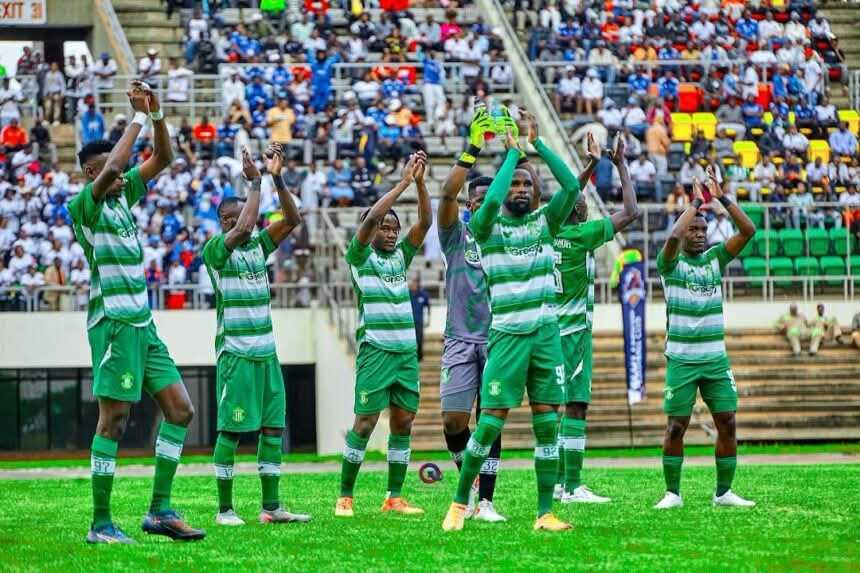






For decades, football in Zimbabwe, felt like a faded dream.
The stands were quiet, local pitches were deteriorating, and a dark shadow hung over the game after stadium bans and international exile left millions of passionate supporters heartbroken.
There was virtually little to show that football was the country's flagship sport.
Such was the crisis that even FIFA eventually stepped in and appointed a Normalisation Committee in a bid to stem the slide.
Thus when Nqobile Magwizi stepped into the office as Zimbabwe Football Association (ZIFA) President on 25 January 2025, winning a decisive election at the Rainbow Towers Hotel in Harare, he took on more than an administrative role, he inherited a mammoth task that was burdened by the hopes of an entire nation.
Where others saw chaos, Magwizi brought a calm, educated vision and a surprisingly gentle diplomatic touch.
From reviving grassroots teams to negotiating with continental authorities, his tenure has sparked a genuine revival in the Zimbabwean game.
Magwizi’s first priority was simple: bring fairness and technical standard back to domestic football.
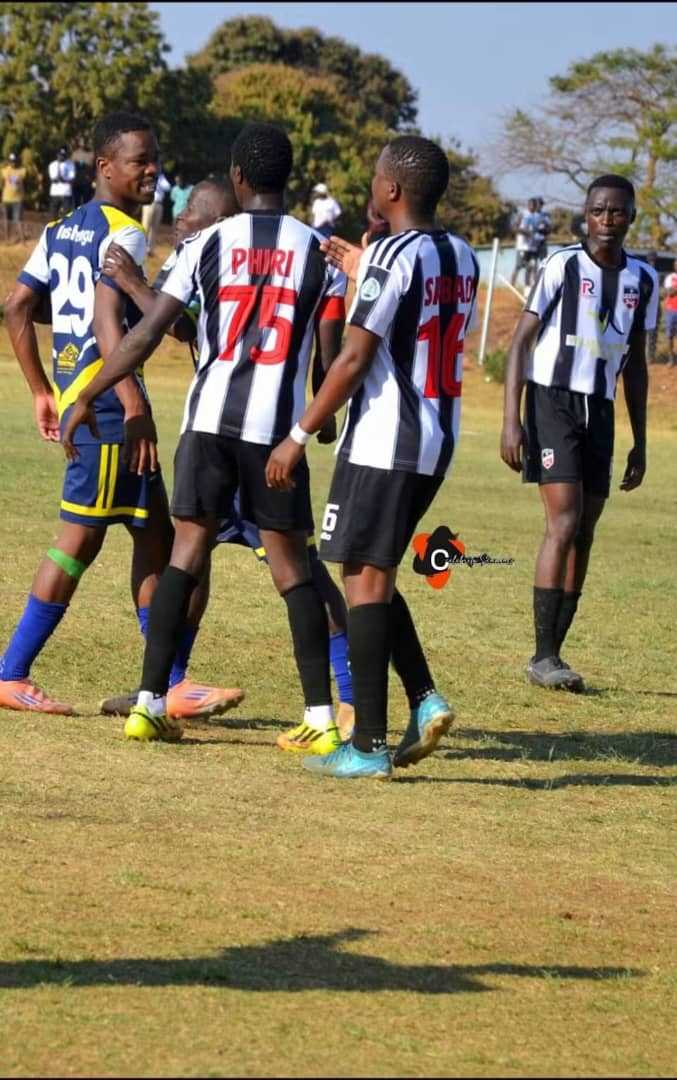
In mid-2025, ZIFA strictly enforced merit-based promotion and relegation standards across local divisions.
At the same time, Magwizi took Zimbabwe's voice back to continental corridors, earning roles on the FIFA Commercial Advisory Committee and the COSAFA Executive.
Recognizing that local coaching standards had stalled to the point where Zimbabwean coaches were traveling to Tanzania to obtain their CAF licensing badges, ZIFA swiftly reintroduced local CAF training and refresher courses.
Related Stories
By bringing accredited coaching education back home, local managers can now earn and upgrade their badges on home soil without incurring expensive travel costs.
By late 2025, the focus shifted to long-neglected parts of the game. ZIFA officially rolled out a comprehensive Women’s Football Strategy, creating clear pathways from provincial pitches all the way to the national team.
Tinashe Moyo, a 38-year-old die-hard Warriors fan from Highfield, noted that for so long fans felt forgotten, but when Magwizi came in, seeing young girls and boys in the townships playing organised matches again showed he was thinking about the children and not just executive suits.
ZIFA In early 2026, ZIFA made junior setups compulsory for all top-flight clubs, re-linking top teams directly with national school bodies like the National Association of School Heads (NASH).
This momentum carried into mid-2026 with the revival of the historic ZIFA Unity Cup rebranded as the Munhumutapa Cup.
To make development sustainable, ZIFA partnered with corporate sponsors to launch the BancABC Roots Impact Programme, pouring resources directly into youth infrastructure and community talent hubs. Chipo Shumba, a youth academy coach based in Chitungwiza, shared that before this executive came in, talented boys in rural schools had nowhere to go after turning 16, but the return of mandated junior structures and local CAF refresher courses gives local coaches and players a real stage to build valid careers.
The defining test of Magwizi's leadership came down to stadium security and international access.
The National Sports Stadium faced strict sanctions and was temporarily banned following security concerns and a tragic fan fatality during a match against the Democratic Republic of Congo (DRC).
Where previous administrators clashed with authorities, Magwizi applied a learned, diplomatic approach. Working alongside government ministries, he secured the partial homologation of the NSS in late 2025.
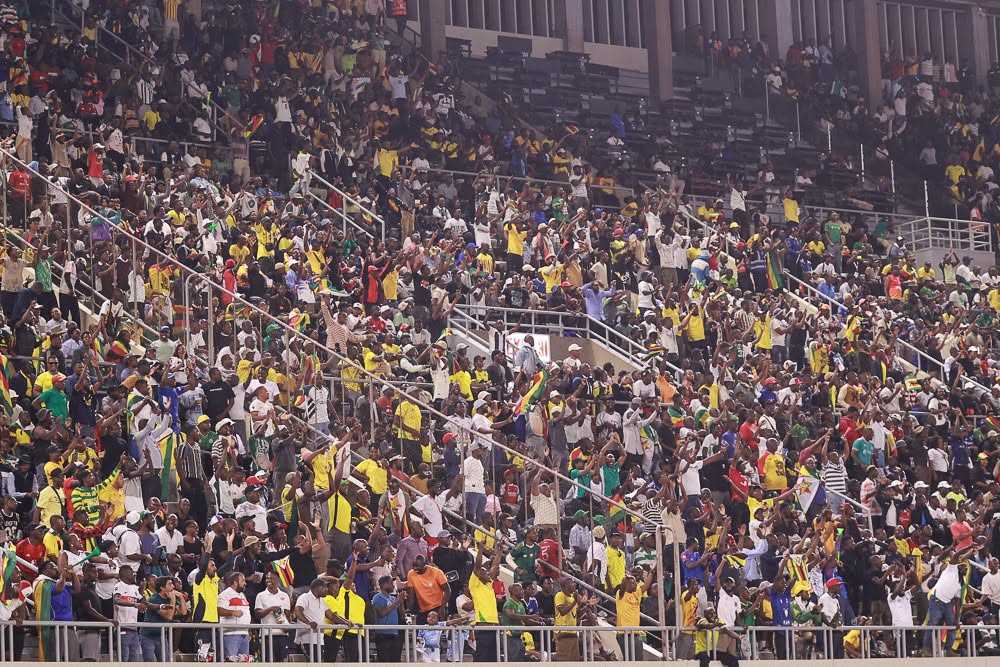
When spectator bans loomed in late 2026 following safety reviews, Magwizi personally engaged CAF leadership, overhauling turnstile security, crowd management, and emergency response frameworks to lift empty-stadium sanctions and bring home fans safely back to the stands.
Farai Chiweshe, a veteran supporter from Mbare, reflected that losing a fellow supporter during the DRC game was deeply painful and watching matches in empty stadiums felt like a punishment for everyone, but President Magwizi handled that tragedy with real grace by upgrading security, sitting down with CAF, and getting the team's home back. As late 2026 unfolds, ZIFA is aiming even higher, actively laying the groundwork with FIFA for Video Assistant Referee (VAR) feasibility studies to modernize local refereeing standards.
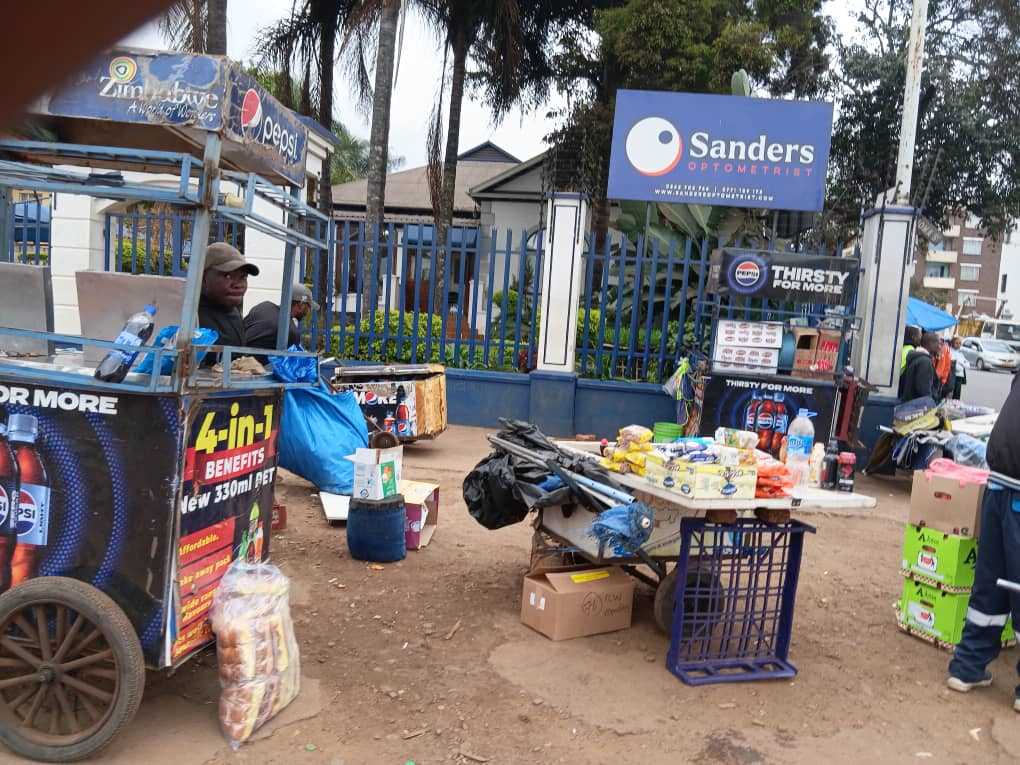
Grace Mutasa, a vendor who sells merchandise outside the National Sports Stadium, expressed that having international matches back with packed crowds puts food on her family's table, proving what happens when an educated leader uses diplomacy and constructive vision to uplift a nation through sport.




Leave Comments