







For many Zimbabweans, the biggest obstacle to healthcare is no longer simply a shortage of medicines or underfunded hospitals. Increasingly, patients say corruption, unofficial charges and weak accountability are determining who receives treatment, how quickly they are attended to and how much they ultimately pay.
These concerns came into sharp focus during a community dialogue in Sakubva, Mutare, where residents openly accused parts of the public health system of practices they say are denying vulnerable people access to essential healthcare.
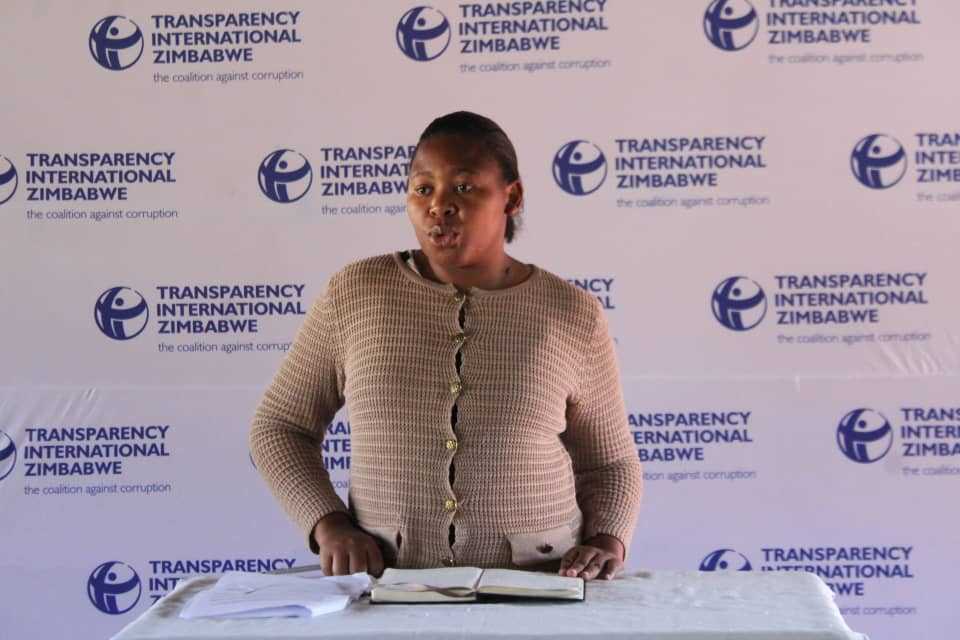
The engagement, convened by Transparency International Zimbabwe in partnership with the Zimbabwe Anti-Corruption Commission, drew on the organisation's corruption risk assessments of Zimbabwe's medicines supply chain to examine how governance failures affect the availability and distribution of medicines, particularly for women and other vulnerable groups.
Transparency International Zimbabwe warned that corruption continues to undermine the constitutional right to healthcare.
"Access to essential medicines is a right, not a privilege. Yet corruption, weak procurement systems and governance gaps continue to undermine healthcare, particularly for women and vulnerable communities."
While medicine shortages have become a familiar challenge in Zimbabwe's public hospitals, residents argued that governance failures are making the situation worse.
Community members alleged that patients are being referred to private facilities in exchange for kickbacks, while some women are reportedly being charged for maternity services that government policy says should be provided free of charge.
Participants also cited persistent shortages of medicines for chronic illnesses such as hypertension and diabetes, inadequate wheelchairs for persons with disabilities, limited access to cancer treatment, delays in post-mortem examinations, alleged unofficial payments to expedite burial orders, and the concentration of pathology services in a few urban centres.
Questions were also raised over whether older persons are genuinely receiving the free healthcare they are entitled to under Government policy.
Related Stories
One participant summed up frustrations over declining professional standards in healthcare with a blunt statement.
"Musatirore mahwindi kuita ma nurse."
Another highlighted what many described as a culture of impunity.
"Kana mbudzi dzamambo dzadya munda wangu, ndinonoudza ani?"
The remark reflected concerns that ordinary citizens often lack confidence that complaints involving powerful individuals or public officials will be investigated impartially.
The complaints reinforce findings by health sector organisations that governance failures have become as significant a challenge as resource shortages.
The World Health Organization has similarly identified efficient governance, transparent procurement systems and accountability as critical pillars of resilient health systems. Globally, the organisation estimates that corruption and inefficiencies account for a significant proportion of health expenditure lost every year, reducing resources available for medicines, equipment and frontline services.
Zimbabwe's governance challenges are reflected more broadly in international assessments.
Transparency International's 2024 Corruption Perceptions Index ranked Zimbabwe 158th out of 180 countries, suggesting persistent concerns over accountability across public institutions.
Corruption carries costs that extend beyond financial losses. Delayed access to medicines, informal payments, procurement irregularities and unequal treatment can undermine public confidence in hospitals, discourage vulnerable patients from seeking care and ultimately contribute to poorer health outcomes.









Leave Comments