








Former Foreign Affairs Minister Walter Mzembi says Zimbabwe's bid for a non-permanent seat on the United Nations Security Council is not receiving the national attention it deserves as public focus remains fixed on the contentious Constitution of Zimbabwe Amendment (No. 3) Bill currently before Parliament.
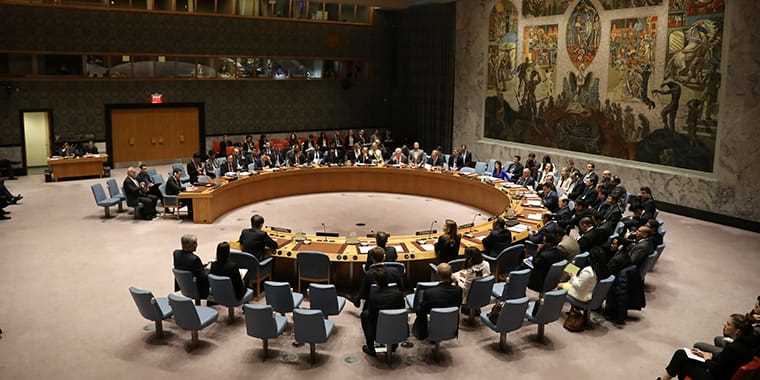
His comments come as voting is underway at the United Nations General Assembly to elect five non-permanent members of the Security Council for the 2027-2028 term.
Zimbabwe is seeking one of the seats allocated to the African Group and is contesting the election with the backing of both the African Union and the Southern African Development Community.
Reflecting on the significance of the vote, Mzembi suggested that the country's international ambitions and domestic constitutional debates are unfolding simultaneously, creating a moment of national reflection.
“Zimbabwe's Bid for a UNSC seat with voting currently taking place appears not to catch the attention of the Nation to the extent it should because of an equally important domestic Agenda #CAB3 currently before our Parliament.”
He argued that a successful bid would place Zimbabwe under greater international scrutiny, particularly as Parliament considers constitutional changes that have generated intense political debate.
Related Stories
“Our tenure as a UN Security Council member highly probable, will be under greater peer scrutiny or adulation and will be historic whichever way things go in Parly.”
Mzembi said the outcomes of both processes would shape perceptions of Zimbabwe on the global stage.
“The contradictions will confirm who we are as a Country & People – ‘A world of wonders’!”
The 2026 UN Security Council election will determine five non-permanent members who will serve two-year terms beginning on January 1, 2027. To secure election, a candidate must obtain a two-thirds majority of member states present and voting in the General Assembly. If all 193 UN member states participate, a minimum of 129 votes is required.
Zimbabwe officially launched its campaign for the 2027-2028 Security Council term earlier this year, presenting its candidature as an opportunity to contribute to international peace and security while advancing African priorities on the global stage.
The election comes as Zimbabwe simultaneously navigates a politically charged domestic debate over Constitution Amendment No. 3, which has drawn criticism from opposition parties, legal experts and civil society groups who argue that some of its provisions could alter key constitutional safeguards. Supporters of the Bill maintain that the amendments are necessary to improve governance and address practical challenges in implementing certain constitutional provisions.







Leave Comments