



Every month, thousands of Zimbabwean women report for work, attend lectures, run businesses and care for families while battling a pain many say is routinely dismissed as normal.
Yet behind closed doors, severe menstrual pain is quietly emerging as one of the most overlooked health challenges affecting women and girls, with many relying on painkillers, herbal supplements and home remedies just to get through the day.
While menstruation is a natural biological process, health professionals said that painful periods should not automatically be accepted as a normal part of womanhood.
According to the World Health Organisation (WHO), more than two-thirds of women and girls experience pain during menstruation, while many also suffer heavy bleeding, headaches, fatigue, anxiety and mood changes that can interfere with daily life.
WHO estimates that about 2.1 billion women and girls worldwide menstruate, making menstrual health a major public health issue that remains under-researched and under-discussed .
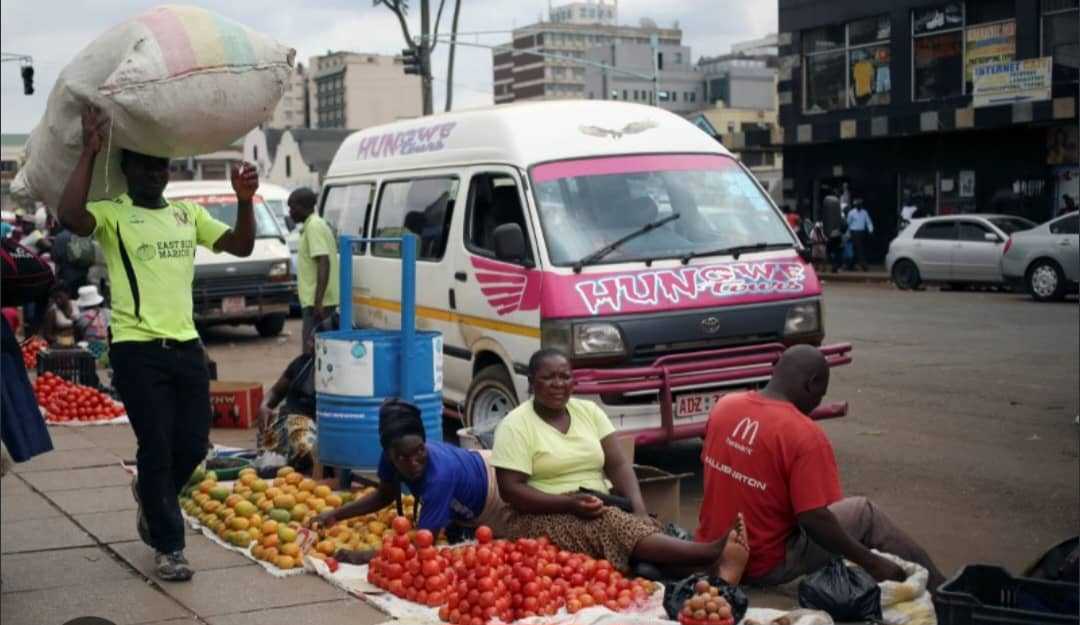
In Zimbabwe, the reality is evident in homes, workplaces and schools where many women continue with their daily responsibilities despite experiencing debilitating pain.
Nettie Zhuwao, said menstruation has become something she prepares for mentally every month.
“There are days when I wake up already knowing I will not be productive. The pain starts from my lower abdomen and spreads to my back and legs. Sometimes I spend hours curled up in bed before I can even think of going anywhere,” Zhuwao said.
She said many women suffer quietly because society has normalised period pain.
"People say it is just part of being a woman, but there are times when it becomes impossible to concentrate on work or even hold a conversation."
Shalom Mhike said she regularly depends on medication to manage severe cramps.
She added that many women continue working despite their discomfort because they cannot afford to take time off.
"I often take pills because the pain can become unbearable. There are months when I cannot function properly without medication.
“Life does not stop because you are on your period. You still have deadlines, responsibilities and people depending on you,” she said.
The growing search for relief has also fuelled demand for herbal supplements and wellness products among Zimbabwean women.
Several pharmacies and wellness retailers in Harare report increasing interest in ashwagandha supplements, which some women are using to manage stress, hormonal changes and menstrual discomfort.
Related Stories
However, health professionals cautined that supplements should not replace proper medical assessment when symptoms become severe.
Medical doctor Sekai Chiramba said many women delay seeking treatment because they believe severe pain is normal.
“Painful periods are common, but severe pain that affects daily activities should never be ignored. In some cases, the pain may be a symptom of underlying conditions such as endometriosis, fibroids or hormonal disorders,” she said.
Chiramba said delayed diagnosis remains one of the biggest challenges facing women's reproductive health.
“Many women only seek medical attention after years of suffering. By then, some conditions may have progressed significantly,” Chiramba stated.
WHO stated that menstrual pain, heavy bleeding and severe mood changes can sometimes indicate conditions such as endometriosis, adenomyosis, fibroids, polycystic ovary syndrome and other reproductive health disorders.
The organisation stated that heavy menstrual bleeding can contribute to iron-deficiency anaemia, leaving women fatigued and vulnerable to other health complications.
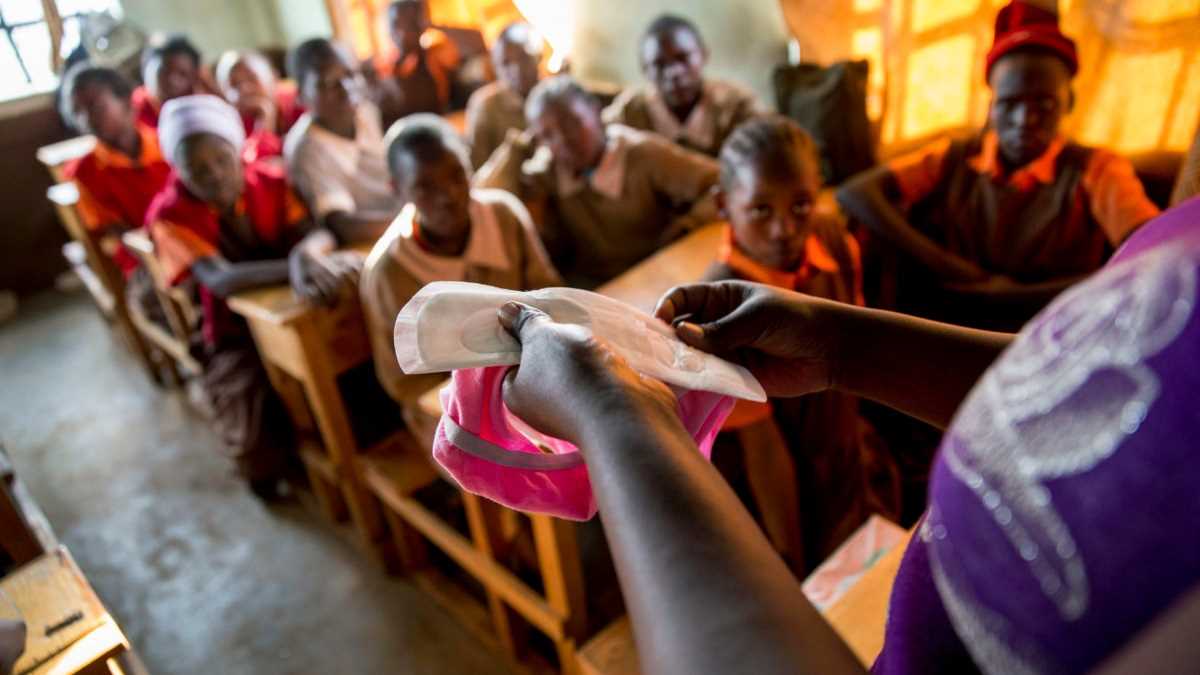
Across Africa, menstrual health remains a challenge not only because of limited access to sanitary products but also because of cultural attitudes that discourage open discussions about menstruation.
WHO estimates that around 500 million people worldwide who menstruate lack adequate access to menstrual materials, sanitation facilities and services needed to manage menstruation with dignity.
The burden often falls heavily on schoolgirls and working women.
Many girls miss lessons during painful menstrual cycles, while women in informal employment frequently continue working despite discomfort because missing a day's income is simply not an option.
For many Zimbabwean women, the challenge is not access to sanitary products alone but the physical pain that accompanies menstruation.
As awareness around women's health continues to grow, advocates say the conversation must move beyond pads and hygiene products to include menstrual pain, diagnosis and treatment.
For women the issue is not about seeking sympathy.
It is about recognising that what many dismiss as just a period can, for some women, become a recurring health challenge that affects education, careers, relationships and overall quality of life.
Millions of women across Zimbabwe and Africa will continue carrying an invisible burden every month.



Leave Comments