








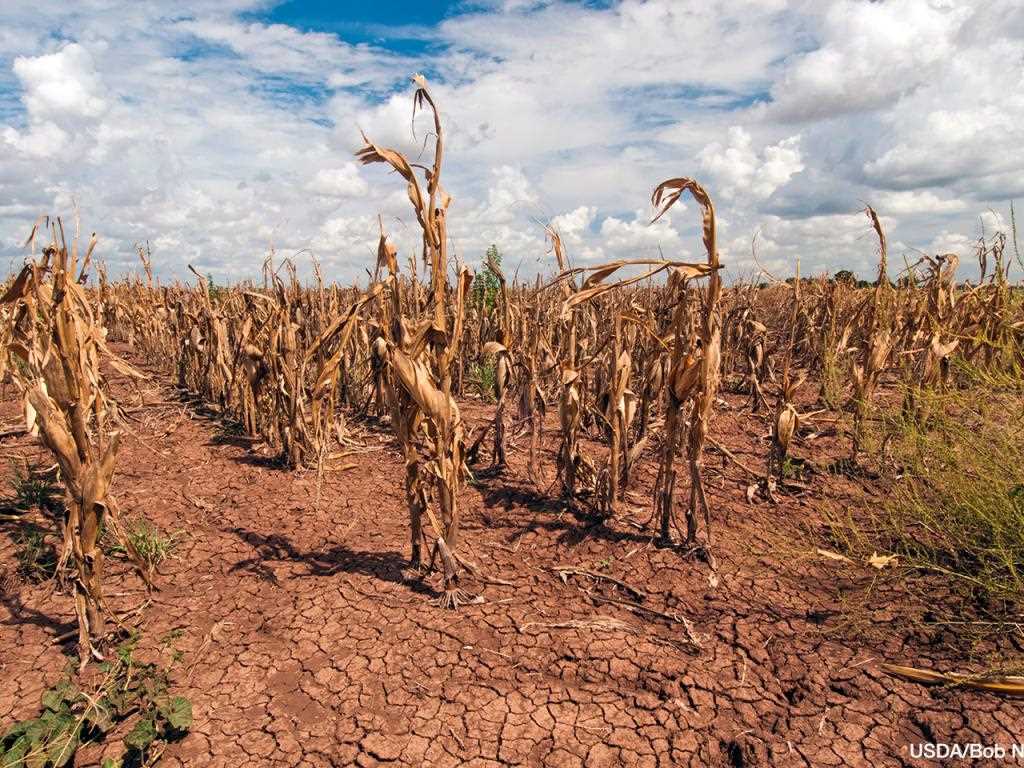
Zimbabwe is moving to strengthen its food security defences despite recording one of its strongest agricultural seasons in recent years, after Cabinet approved a sweeping package of drought preparedness measures amid warnings of an 80% probability of an El Niño weather event developing before the next summer cropping season.
The measures come as the country sits on a potentially comfortable grain position following a strong 2025/26 harvest, but faces growing uncertainty over the 2026/27 season due to forecasts of a possible El Niño event that could trigger below-normal rainfall across parts of Southern Africa. The World Meteorological Organization says there is an 80% likelihood of El Niño developing during June-August 2026 and a more than 90% probability that conditions will persist into late 2026.
Cabinet this week approved a 2026/27 Summer Crops, Horticulture, Fisheries and Livestock Plan centred on nine interventions ranging from strategic grain purchases and irrigation expansion to drought insurance, fertilizer imports and climate-smart agriculture.
The decision reflects lessons learned from the devastating 2023/24 El Niño drought that forced Zimbabwe to declare a national disaster after widespread crop failures left millions vulnerable to food insecurity. Reuters reported at the time that Zimbabwe's maize harvest was expected to fall to about 1.1 million tonnes, roughly half the level needed to meet national requirements.
This time, the government is preparing from a position of relative strength.
According to Cabinet, Zimbabwe has harvested 2.82 million tonnes of maize from 1.93 million hectares, 323,002 tonnes of sorghum from 528,076 hectares and 119,067 tonnes of soyabeans from 56,562 hectares. Based on the Second Round Crop, Livestock and Fisheries Assessment Report, authorities expect a strategic grain surplus of between 550,945 and 964,945 tonnes.
As of June 3, the Grain Marketing Board held 156,603 tonnes of government grain stocks and an additional 70,865 tonnes belonging to third parties using newly commissioned AI-powered silos and warehouse receipt facilities.
Yet a key question remains: is that enough if drought strikes?
Zimbabwe consumes approximately 1.4 million tonnes of maize annually for human consumption and a further 350,000 tonnes for stockfeed, implying total annual grain requirements of about 1.75 million tonnes.
Measured against those requirements, current GMB stocks cover only a fraction of annual demand, although the government expects deliveries to increase significantly as farmers continue marketing grain from the recently completed harvest.
Indeed, marketed crops are already running ahead of last year's pace. By June 3, farmers had formally delivered 127,214 tonnes of maize, sorghum, soyabeans and sunflower to markets, compared with 78,265 tonnes during the same period in 2025, representing a 63% increase.
The government's first line of defence is therefore to rapidly build grain reserves while harvest supplies remain available.
Among Cabinet's approved measures is an enhanced Strategic Grain Reserve purchasing system supported by the newly installed AI-powered silo infrastructure. The technology is expected to improve grain storage, monitoring and inventory management while increasing commercial storage capacity.
Agricultural experts have long argued that strategic reserves are becoming increasingly important as climate variability intensifies.
The challenge is that climate risks are no longer hypothetical.
The World Meteorological Organization recently warned governments to prepare for the return of El Niño, saying the phenomenon is likely to increase the risk of droughts, heatwaves and agricultural disruption across vulnerable regions.
For Zimbabwe, memories of the last El Niño remain fresh.
The drought reduced crop yields, strained hydroelectric power generation and forced government and humanitarian agencies to mobilise significant food assistance programmes. President Emmerson Mnangagwa declared a state of disaster in April 2024 as millions faced hunger.
It is against that backdrop that Cabinet's second and third interventions, climate-smart agriculture and irrigation expansion, assume greater significance.
Related Stories
Permanent Secretary for Agriculture Obert Jiri says the government is already implementing part of that strategy through winter wheat production.
"Zimbabwe's winter wheat-based drought response strategy is gathering pace, with over 117,000 hectares already planted against the 125,000-hectare target," Jiri said.
He argued that climate resilience will increasingly depend on technology, information and adaptation.
"Expanding access to mobile platforms, weather apps and digital extension services empowers farmers with real-time information. This resilience through knowledge ensures better yields and stronger incomes."
Jiri added: "Farmers are the frontline of food security. Climate-smart practices and improved seed varieties strengthen resilience against droughts and market shocks. Resilient farmers mean full granaries, strong incomes and food security, everywhere, every day."
The government's focus on irrigation reflects a broader recognition that rain-fed agriculture alone may no longer be sufficient under increasingly volatile weather conditions.
Meteorological Services Department forecasts in recent seasons have repeatedly warned of delayed rainfall starts, erratic precipitation patterns and prolonged dry spells, highlighting the growing unpredictability facing farmers.
Another notable intervention is the decision to activate the Africa Risk Capacity sovereign insurance facility.
Agricultural economists have increasingly described climate insurance as a critical tool for managing climate-related fiscal shocks because it provides governments with rapid access to funding when drought disasters occur.
Jiri echoed that view.
"Agricultural insurance is a strategic policy instrument that cushions farmers against climate and market shocks, stabilizes rural incomes and strengthens national food security."
Cabinet's decision to facilitate duty-free fertilizer imports and expedite commissioning of the Sable Chemicals ammonium nitrate plant also points to concerns about production costs.
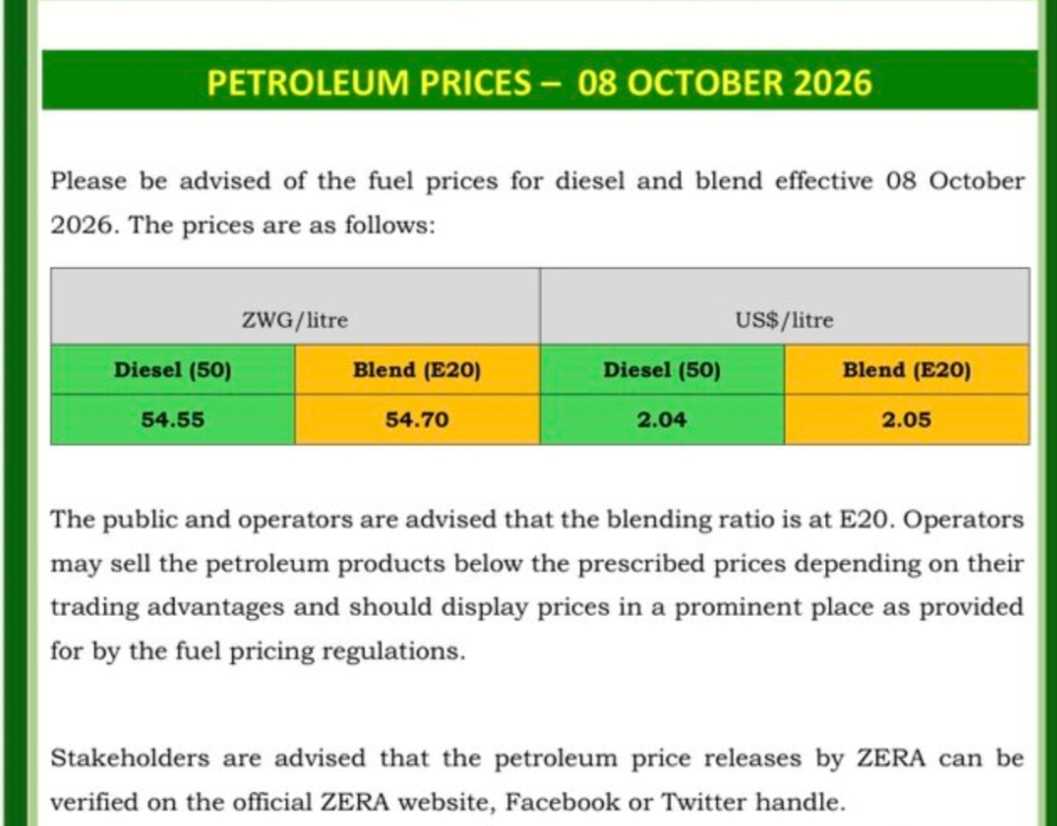
Global fertilizer markets remain vulnerable to geopolitical tensions and supply disruptions, while fuel prices continue to place pressure on farming costs.
Government's objective is to ensure farmers maintain access to key inputs even if international markets become more volatile.
Yet some analysts caution that preparedness ultimately depends not on plans but on execution.
Questions remain about how quickly strategic grain reserves can be rebuilt, whether irrigation projects can be expanded at sufficient scale, and whether financing will be available to support large-scale climate adaptation measures if drought conditions intensify.
There are also unresolved liabilities within the agricultural system. Cabinet disclosed that while GMB has settled 100% of its US dollar obligations to farmers and 82.73% of ZiG payments, ZiG50.2 million remains outstanding to producers, while transporters are still owed ZiG192 million dating back to 2025.
Such obligations could affect confidence in future grain deliveries if payment delays persist.










Leave Comments