






Energy insecurity continues to define daily life in Zimbabwe, particularly in rural communities where households still rely heavily on firewood and other traditional fuels. This reflects a broader African challenge, with millions remaining without electricity and access to clean cooking despite ongoing global energy transitions.
The situation mirrors a wider regional reality in which energy poverty remains concentrated in Africa, where electrification progress has slowed and rural communities continue to lag behind urban areas in access to modern energy systems.
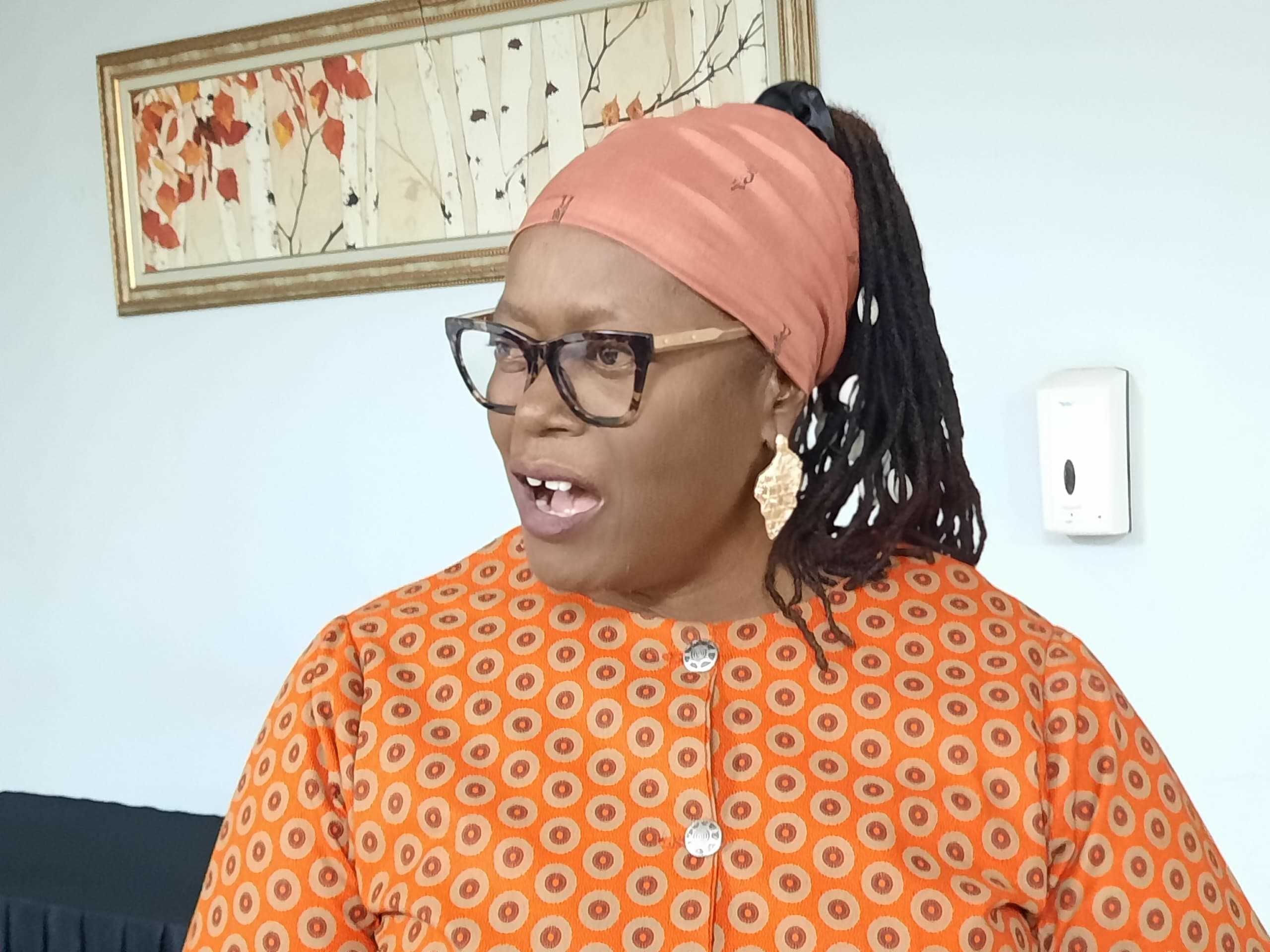
“We don't have electricity,” said Karolina, a resident of Matabeleland.
“We grew up cooking on the bonfire, but we need better ways of cooking.”
Karolina said families remain dependent on firewood due to limited electricity access in rural areas.
“We need government to help us with electricity,” she said.
The World Health Organization warned of the health consequences linked to continued reliance on polluting cooking fuels.
“Household air pollution from cooking fuels costs millions of lives, causes long-term disease and disability, and harms our environment,” said WHO Director-General Tedros Adhanom Ghebreyesus.
He said the burden disproportionately affects women and girls, who spend long hours collecting firewood, increasing inequality and health risks in vulnerable communities.
International energy leaders have also highlighted progress in electrification and clean cooking access globally, although gaps remain wide between regions.
Fatih Birol, Executive Director of the International Energy Agency, said progress in energy access has been recorded where supportive policies are implemented.
“Since 2010, 1.5 billion people have gained access to clean cooking and 800 million have gained access to electricity, showing that with the right policies, progress is possible,” he said.
He said access to energy improves broader development outcomes.
“It improves health, expands economic opportunity, strengthens security and builds more resilient communities,” he said.
Related Stories
Francesco La Camera, Director-General of the International Renewable Energy Agency, said global energy shocks have reshaped priorities around energy security.
“Recent global energy shocks have made one thing clear: countries with strong renewable energy capacity are better positioned to withstand economic and supply disruptions,” he said.
He said renewable energy expansion remains key to strengthening energy resilience and affordability.
In Zimbabwe, energy access challenges remain most severe in rural areas, where households continue to face high costs and limited infrastructure for both electricity and clean cooking solutions.
Karolina said the lack of access forces continued reliance on firewood, with implications for health, time use and household welfare.
“We need cheaper, reliable power so we can move away from firewood and unsafe cooking methods,” she said.
Development actors in Zimbabwe are targeting increased access to modern energy systems, including the expansion of electricity coverage and cleaner cooking technologies such as solar mini-grids, biogas systems and improved cookstoves.
The World Bank-supported energy framework for Zimbabwe aims to increase clean cooking access from 38.6 percent to 70 percent, reflecting efforts to expand household energy access and reduce reliance on biomass fuels.
Energy stakeholders said achieving this target will require investment in rural electrification, off-grid solar systems and affordable financing models to reach low-income households.
The latest global energy tracking data highlights the scale of the challenge. About 655 million people still lack electricity worldwide, while around 2 billion people continue to rely on polluting fuels for cooking.
Africa remains the most affected region, with over 560 million people without electricity and about 970 million without access to clean cooking solutions.
The report also shows that electrification in the region is not progressing fast enough, with the pace needing to triple to achieve universal access by 2030.
Despite the challenges, renewable energy continues to expand globally, now accounting for over 30 percent of electricity generation, while international financial flows for clean energy in developing countries reached about US$24.6 billion.
However, funding to the least developed countries remains limited, with only about US$3.7 billion recorded in 2024, reflecting persistent financing gaps in the global energy transition.
Energy efficiency progress remains slow, while millions of rural households in Africa continue to face the highest barriers to access, including affordability, infrastructure gaps and limited investment in last-mile delivery systems.





Leave Comments