








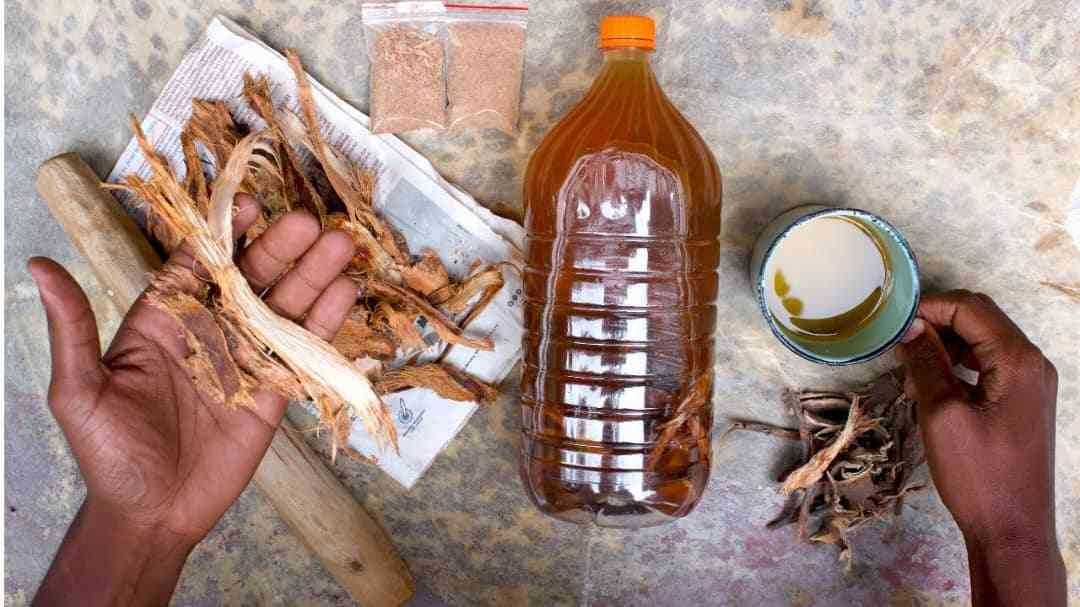
In Harare's markets, bus termini and street corners, small sachets, capsules and herbal mixtures promising sexual prowess are changing hands every day. Known as guchu, these products have become increasingly popular among men seeking to improve their sexual performance, boost confidence or address erectile difficulties.
What was once associated primarily with older men is now attracting a much younger market. Health professionals say men as young as 20 are increasingly seeking solutions for sexual health problems, often opting for unregulated products sold on the streets instead of seeking medical attention.
Speaking to Zim Now, Family physician Dr Vengesai Stein Jaravaza says sexual health challenges are appearing much earlier than many people realise.
"Nowadays sexual problems now begin as early as 20 years. The thing for men is they do not want to consult health professionals for their conditions. They prefer to buy ma 'guchu' from the street and some of these things have short-term and long-term effects. It damages them because the people selling them have no idea what is in the products.
"The issue of peer-to-peer information passing is one of the reasons for this. You will find that a 20 or 30-year-old will be advising another to buy guchu because it worked for him, not knowing that the reason behind the impotence is different from one person to another.
"Many problems that men suffer from find their way below the belt, so our job is to find out what is causing it first. Some of the causes include stress, obesity, smoking and drinking habits, diabetes and drug use. These things are important so that we have a specific diagnosis for every individual."
According to Dr Jaravaza, many men are treating symptoms without understanding the underlying cause. While one person may be struggling because of stress, another may be experiencing the early effects of diabetes, hypertension or substance abuse. Yet many are turning to the same remedies based solely on recommendations from friends.
The dangers associated with these products are not merely theoretical. Over the past few years, Zimbabwe has recorded several cases of men falling seriously ill or dying after consuming concoctions marketed as aphrodisiacs or sexual performance boosters.
In 2021, an 81-year-old Chimanimani man died while five relatives were hospitalised after consuming a traditional medicine commonly referred to as guchu. In 2024, a 49-year-old man from Gokwe North died after allegedly taking a sex-enhancing herbal concoction and reportedly developed severe stomach pains before vomiting blood.
The same year, four men died and two others were hospitalised in Marange after consuming a homemade aloe vera mixture believed to have been taken for sexual enhancement purposes. More recently, in 2025, a 48-year-old man from Chivi died after reportedly drinking two litres of a guchu concoction purchased at Ngundu.
While the circumstances surrounding each incident differed, they have heightened concerns among health professionals and law enforcement authorities about the risks posed by unregulated products whose ingredients and potency are often unknown.
Beyond the health risks, experts say the popularity of guchu reflects deeper social and psychological pressures affecting men.
Family therapist Tawanda Karise believes many men are under increasing pressure to prove themselves sexually.
Related Stories
"Many men feel pressure to perform sexually. This pressure often comes from society, friends, social media, cultural beliefs, pornography and the idea that a 'real man' should always be ready for sex and perform perfectly," he said.
Karise said sexual performance has become closely linked to confidence and self-esteem.
"Many men tie their sense of worth and masculinity to their sexual performance. When things go well, they may feel confident. When they experience difficulties, it can affect their self-esteem and make them question themselves."
He noted that these pressures often discourage men from seeking professional help.
"Many men fear embarrassment, judgment or being seen as weak. Street vendors offer privacy, convenience and quick solutions, even though the products may not always be safe or effective. Visiting a clinic can feel more exposing, especially in cultures where men are expected to be strong and self-reliant."
According to Karise, society often places unrealistic expectations on men.
"Society promotes the myth that men should always be interested in sex, always perform well and never experience difficulties. In reality, men are human and can be affected by stress, health issues, emotions and relationship challenges just like anyone else."
The pressures described by experts are echoed by young men themselves.
A 28-year-old man from Mabvuku, who requested anonymity, said the growing use of guchu products is closely linked to expectations around performance and masculinity.
"I think it all comes down to the edge for sex. Information is readily available on such matters but people ignore it for reasons known to them. Maybe performance and ego are intertwined on that," he said.
He believes the digital age has intensified the pressure on men to outperform themselves.
"Using guchu has external pressures related to it. In this digital era, men want to outperform themselves because society will obviously come to know of one's sexual endeavours and judge you harshly."
His comments reflect a broader concern that many men are measuring their worth through sexual performance while seeking quick solutions to complex health and emotional issues.
For doctors and therapists alike, the answer is not found in a packet bought from a street vendor. They argue that sexual difficulties are often symptoms of deeper physical, psychological or lifestyle-related conditions that require proper assessment and treatment.








Leave Comments