







Behind the image of the strong provider, dependable husband and resilient father, a growing number of Zimbabwean men are battling emotional, financial and psychological pressures in silence, exposing what mental health advocates describe as one of the country's least discussed public health challenges.
While men are often expected to provide for families, remain emotionally strong and absorb life's pressures without complaint, evidence increasingly suggests that many are struggling under the weight of economic hardship, relationship breakdowns, unemployment, debt and social expectations.
The crisis is not unique to Zimbabwe.
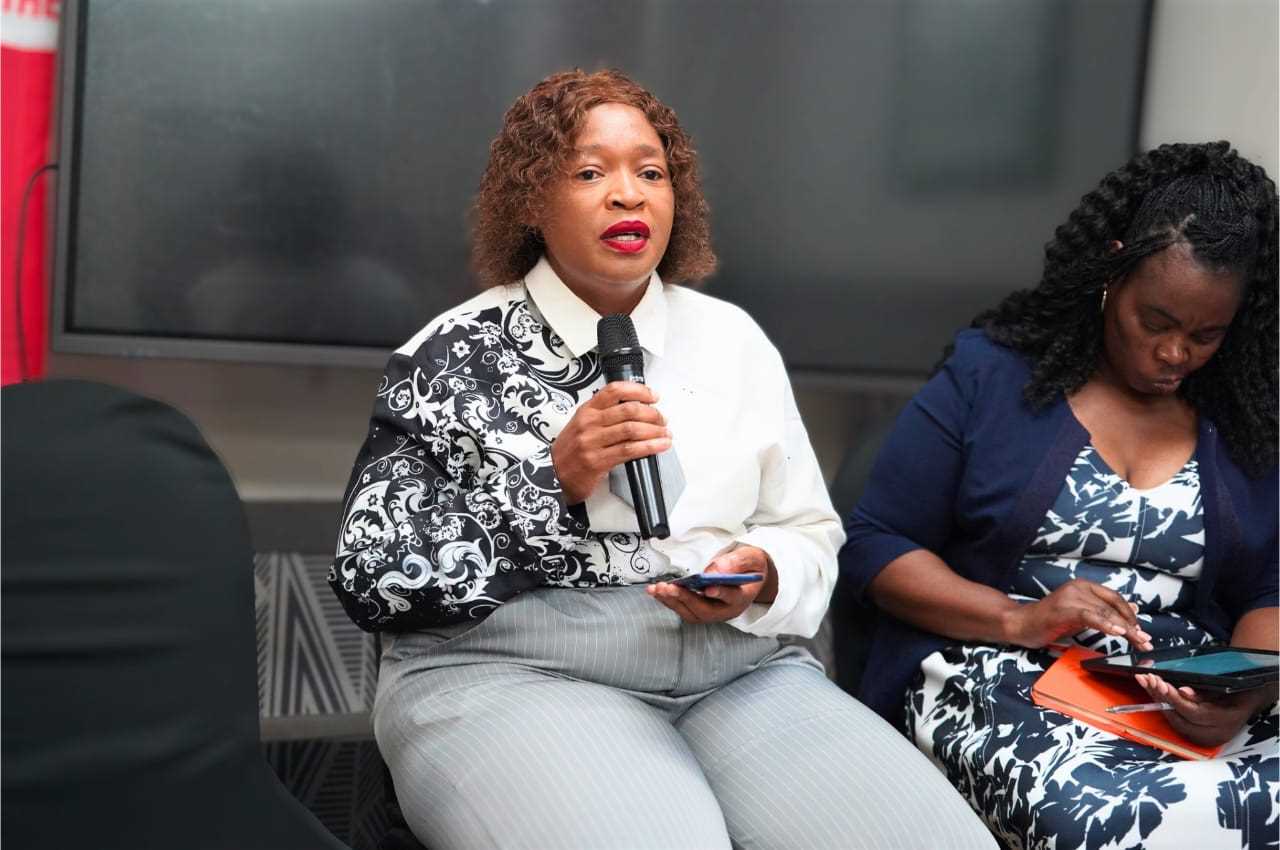
World Health Organisation Mental Health Focal Person for the Regional Office for Africa, Chido Rwafa, said Africa currently has the highest suicide rate globally.
"AFRICA is facing a high incidence for suicide standing at 11.5 per 100,000 people with 18 per 100,000 of men being the highest rate globally," said Rwafa.
She said depression, anxiety, alcohol abuse and substance use disorders remain some of the most common mental health conditions affecting men across the continent.
"We know right now it's estimated that some of the common conditions are depression, anxiety, alcohol use disorders, substance use disorders, "noted Rwafa.
One of the biggest challenges is that many men do not exhibit emotional distress in ways society traditionally associates with mental illness.
Instead of sadness, many display anger, irritability, aggression, withdrawal or excessive work habits.
"Men are told from a young age that you do not show weakness, you do not show sadness. The only emotions that are allowed is anger or rage, but never sadness," said Rwafa.
As a result, signs of emotional distress are frequently overlooked by family members, employers and even the men themselves.
Rwafa said , "Men do not display sadness. So we tend to miss when someone is isolating, when someone tends to be angry or have outbursts we miss that this person is not okay."
She added that behavioural changes often provide important warning signs.
"The more obvious one is chronic irritability. Someone who used to be gentle, suddenly they get irritable and they lose their temper. They have outbursts, they have rage. But men also tend to overwork."
Rwafa added that , "It's usually not what we typically believe depression is, which is generally crying and sadness. It tends to be the opposite. So it's obviously displayed in a different manner as well."
According to Rwafa, social expectations around masculinity continue to prevent many men from seeking help.
Related Stories
"Generally, men struggle the most as providers. Kids have to go to school, this and that is to be paid for,"she added.
She said harmful stereotypes continue to undermine mental health awareness.
WHO said, "It's the belief that men do not die by suicide. It's the belief that there is no mental health problems in men."
Beyond depression and anxiety, she noted that men also face other mental health challenges.
"We also have challenges with psychotic disorders like schizophrenia; have challenges with neuro-developmental problems like autism, attention deficit
hyperactivity disorder, among others, "said Rwafa.
The growing concern is also being observed locally.
Community mental health organisation Friendship Bench Zimbabwe says more men are silently carrying emotional burdens that remain largely invisible until tragedy occurs.
FriendshipBench said, "Too many men carry their struggles alone, but no one should have to face life's challenges in silence. Whether it's stress, anxiety, depression, or something else your pain matters."
The organisation said recent cases involving suicides linked to failed relationships have exposed deeper underlying issues.
"The growing number of heartbreak-linked suicides in Zimbabwe is exposing a deeper mental health crisis among men. Emotional trauma from relationship breakdowns, financial pressure, and social expectations are driving men to desperate measures."stated the Friendship Bench
The concerns echo sentiments raised by Grain Marketing Board Chief Executive Officer Edson Badarai, who challenged the culture of silence surrounding men's mental health.
"There is no shame in asking for help; in fact, it is one of the most courageous decisions a person can make," said Badarai.
He urged men to reject outdated notions that equate emotional vulnerability with weakness.
He noted that, "Even a simple conversation or word of encouragement can make a significant difference."
Badarai said mental health is as important as physical health because it enables sound decision-making, healthy relationships and effective performance both at work and at home.
"Together, we can create an environment where no one feels isolated or alone. May we continue to support one another as we build a healthier, stronger, and more productive workforce." he said







Leave Comments