








Zimbabwe is witnessing growing momentum around the dapivirine vaginal ring, a long-acting HIV prevention method designed specifically for women, as health organisations intensify awareness campaigns aimed at countering misinformation and improving access to prevention options.
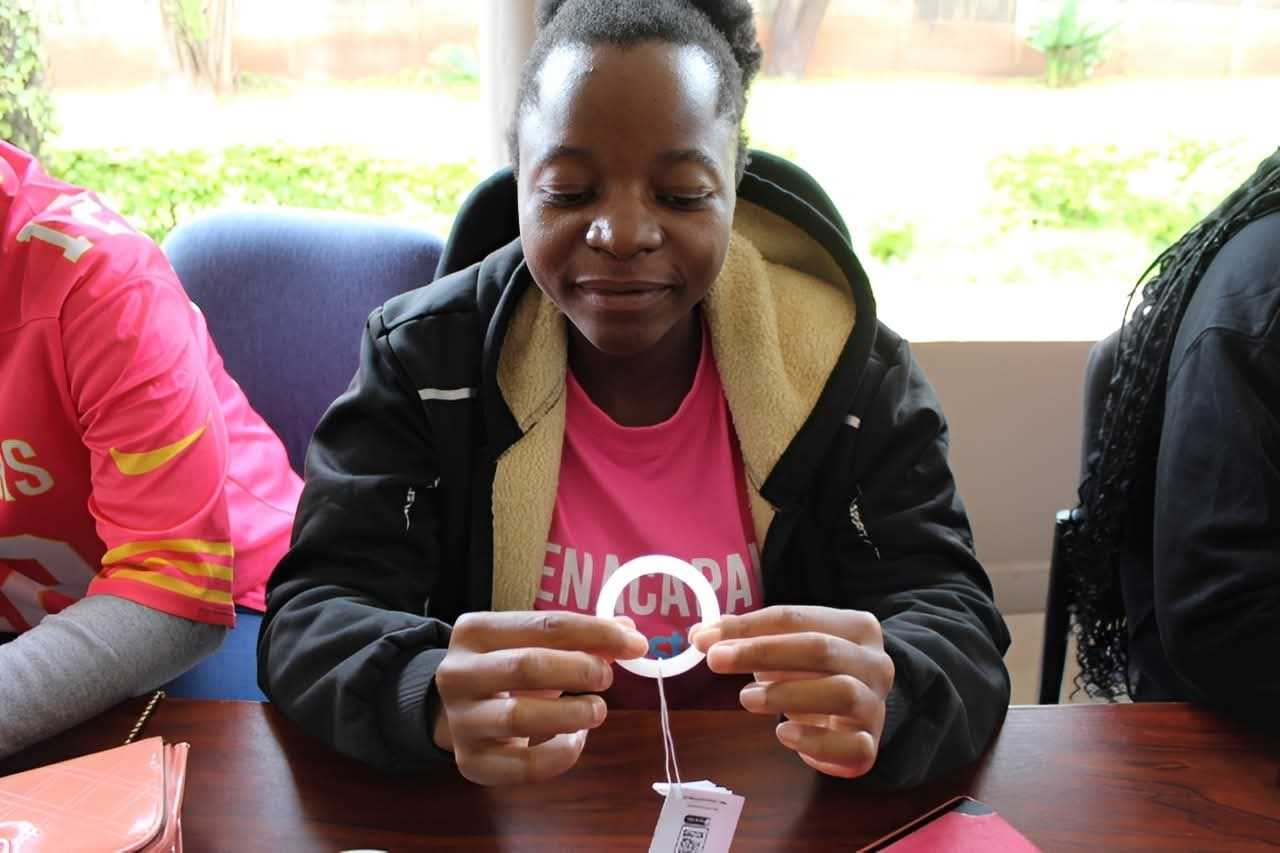
The dapivirine vaginal ring, marketed as DapiRing, is the first long-acting, user-controlled and non-systemic HIV prevention product approved for use, offering women greater autonomy in protecting themselves against HIV infection.
Pangaea Zimbabwe AIDS Trust said persistent myths and misinformation continue to discourage some women from accessing HIV prevention tools despite strong scientific evidence supporting the product’s safety and effectiveness.
“Last week, we highlighted how myths can prevent women from accessing HIV prevention tools. When women have accurate information, they are empowered to make informed choices about their health,” the organisation said.
The flexible silicone ring is inserted into the vagina, where it gradually releases the antiretroviral drug dapivirine over a period of one month, providing continuous protection against HIV transmission through vaginal sex.
Zimbabwe became one of the first African countries to approve the product through the Medicines Control Authority of Zimbabwe in 2021, positioning the country among early adopters of women-controlled HIV prevention technologies.
Unlike oral pre-exposure prophylaxis (PrEP) tablets or injectable cabotegravir, the ring works locally within the body, limiting the amount of medication absorbed into the bloodstream. Health experts say this approach may reduce the risk of systemic side effects while maintaining effective protection.
Related Stories
Clinical trials initially showed the ring reduced HIV infection risk by about 35 percent, with later studies indicating protection levels could rise to nearly 50 percent, largely due to improved adherence among users.
The ring must remain inserted for at least 24 hours before it begins offering protection and is designed to stay in place continuously, including during sexual activity.
Pangaea Zimbabwe has also moved to address common misconceptions surrounding the product. Among the myths dismissed are claims that the ring can become lost inside the body, cause infertility or interfere with sexual pleasure.
The organisation explained that the vaginal canal is a closed system, meaning the ring cannot disappear inside the body, and research has shown it does not affect fertility and is safe for use during pregnancy and breastfeeding. Studies further indicate that most sexual partners do not feel the ring during intercourse.
Globally, the product was first developed by the International Partnership for Microbicides before its acquisition by the Population Council in 2022.
A subsidy introduced by the Population Council in December 2025 reduced the monthly cost of the ring to US$5.90, a move expected to significantly improve affordability and expand access among women and adolescent girls.
Meanwhile, a longer-acting three-month version of the ring is currently under review by the European Medicines Agency and could become available by 2027. Early studies suggest the extended-duration ring delivers higher levels of dapivirine compared to the current monthly product.
South African pharmaceutical company Kiara Health is expected to oversee commercial distribution and regulatory responsibilities for the three-month version once approvals are finalised.









Leave Comments