







Zimbabwe’s public health sector is set for a major boost after the Global Fund committed US$412,922,337 towards the fight against HIV, tuberculosis and malaria for the 2026–2028 allocation cycle, a development expected to significantly strengthen service delivery and health systems nationwide.
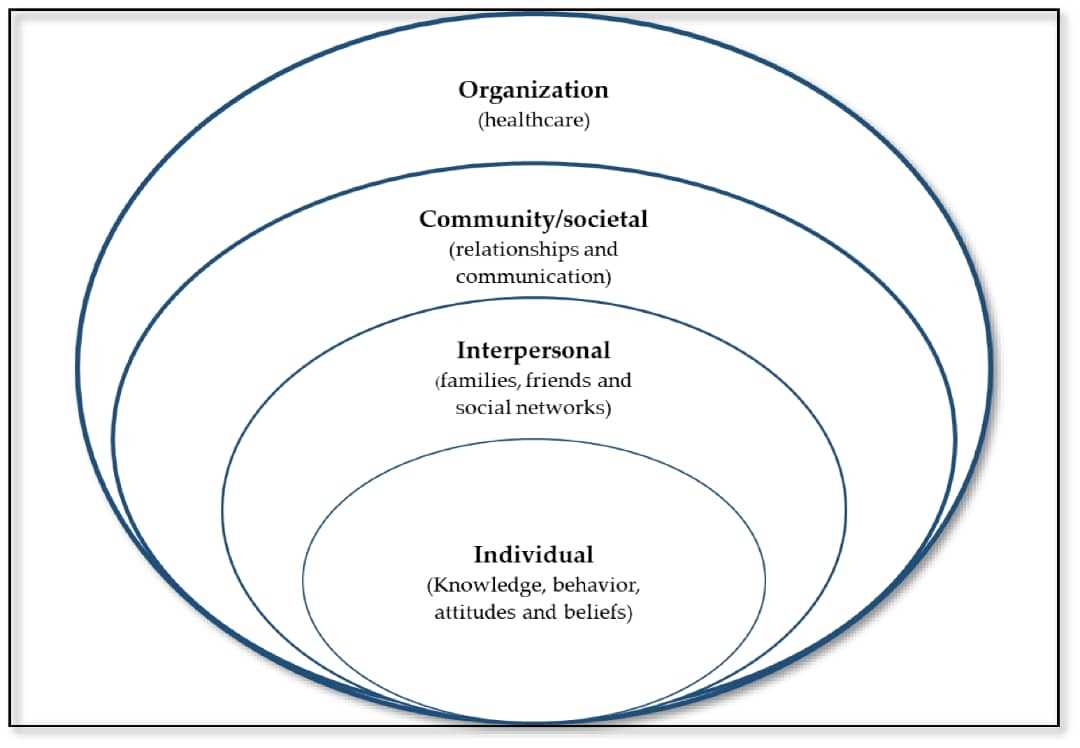
The substantial allocation will also support the development of resilient and sustainable systems for health, a critical pillar aimed at enhancing the country’s capacity to deliver efficient, accessible and quality healthcare services.
GF High Impact Africa II representative, Linden Morisson, said the funding reflects continued international confidence in Zimbabwe’s health priorities and long-term system strengthening efforts.
“For the 2026 to 2028 allocation period, the Global Fund has committed a total of US$412,922,337 towards Zimbabwe’s response to HIV, TB and malaria, as well as strengthening resilient and sustainable systems for health,” he said.
The funding is expected to reinforce ongoing national programmes targeting the three diseases, which remain a significant public health burden, while addressing key gaps within the healthcare delivery system, including infrastructure development, medical supply chains and human resources.
Related Stories
Minister of Health and Child Care, Douglas Mombeshora, said the support will complement Government efforts to improve healthcare outcomes and expand access to essential services.
“This support is expected to go a long way in complementing ongoing Government efforts to strengthen the health system and enhance service delivery across the country,” he said.
Zimbabwe has recorded gradual progress in recent years in reducing new HIV infections, improving tuberculosis case detection and treatment outcomes, and intensifying malaria control interventions, particularly in high-burden areas.
However, sustained investment remains critical to consolidate these gains and scale up interventions to reach more communities.
The latest Global Fund support is expected to accelerate implementation of key health programmes, widen access to prevention, testing and treatment services, and strengthen institutional capacity across all levels of healthcare.
With the US$412.9 million allocation, Zimbabwe is positioned to deepen its response to major communicable diseases while building a more resilient and efficient health system aligned with national health priorities and the pursuit of universal health coverage.









Leave Comments