








Two major hospitals in Manicaland Province have recorded significant progress in maternal healthcare, reporting zero maternal deaths following major improvements in emergency response systems, diagnostics and health infrastructure.
St Peter’s Mission Hospital in Chipinge District, which serves as a referral centre for 18 surrounding clinics as well as patients from neighbouring Mozambique, has not recorded a maternal death in the past 18 months — marking a notable turnaround from two maternal deaths recorded in 2024.
Medical Superintendent Stephen Mbiri said the milestone reflects deliberate investments in emergency preparedness and improved patient management systems.
“We are encouraged by our maternal health outcomes,” said Mbiri. “This improvement reflects strengthened emergency response systems, improved referrals and better clinical management.”
The hospital conducts more than 200 deliveries monthly, including up to 90 Caesarean sections, placing maternal care at the centre of its operations.
Key interventions have included the replacement of an aging ambulance fleet with two new emergency vehicles, improving patient transfers from rural clinics. The introduction of digital X-ray technology has also enhanced diagnostic accuracy and reduced delays in managing high-risk pregnancies.
Power reliability has been strengthened through solar energy installations, while medicine availability has risen to approximately 80 percent, helping stabilise healthcare delivery for a catchment population exceeding 100 000 people.
Similar gains are being recorded at Hauna District Hospital in Mutasa District, where authorities report that no childbirth-related maternal deaths have been recorded since 2022.
Hospital Matron Tendai Serere attributed the sustained success to coordinated teamwork and early identification of high-risk pregnancies.
Related Stories
“We take pride in ensuring that every mother delivers safely and returns home with her health intact and her baby alive,” said Serere.
Since January this year, the hospital has safely assisted 446 mothers through childbirth, with all babies surviving.
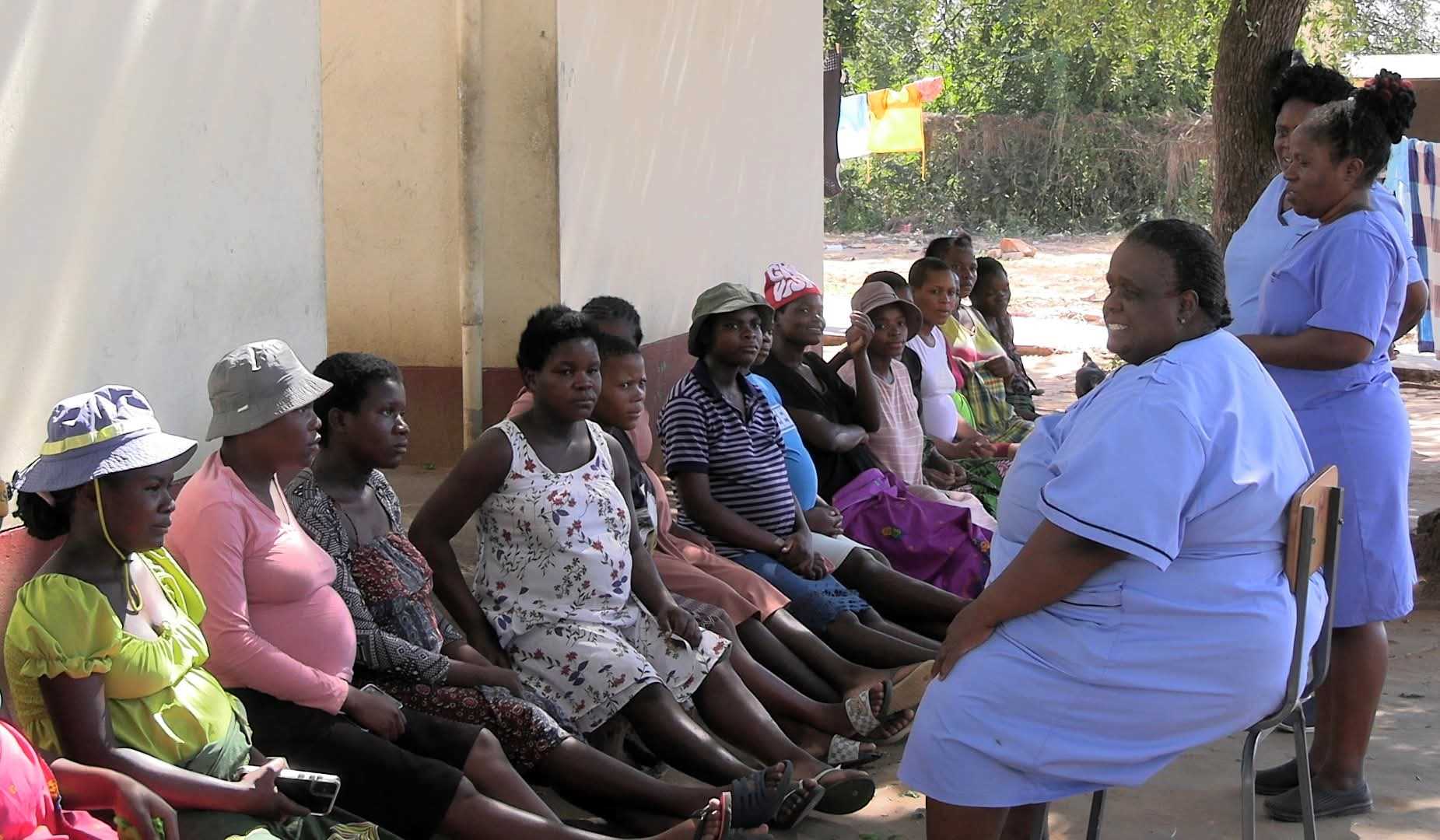
One of the hospital’s key interventions has been the use of maternity waiting shelters, where expectant mothers with complications are admitted from 33 weeks of pregnancy for close monitoring ahead of delivery.
Serere also credited government support through the provision of medical equipment that has strengthened service delivery and improved clinical outcomes.
For patients, the improvements have translated into life-saving care.
Sophia Uranda, who arrived at the hospital in critical condition, said rapid medical intervention saved both her life and that of her baby.
“I was treated quickly and I am now in good health after delivering safely,” she said.
Another patient, 22-year-old Colleta Ngende, praised health workers after successfully undergoing a surgical delivery, expressing gratitude for the care that allowed her and her newborn to return home safely.
Health experts say the developments in Manicaland demonstrate how strengthened referral systems, improved diagnostics, infrastructure upgrades and patient-centred care can significantly reduce maternal mortality.








Leave Comments