




Zimbabwe’s fight against Gender-Based Violence is increasingly shifting toward addressing less visible forms of abuse, as legal aid organisations and community advocates confront persistent awareness gaps that continue to limit reporting and access to support services, particularly in rural communities.
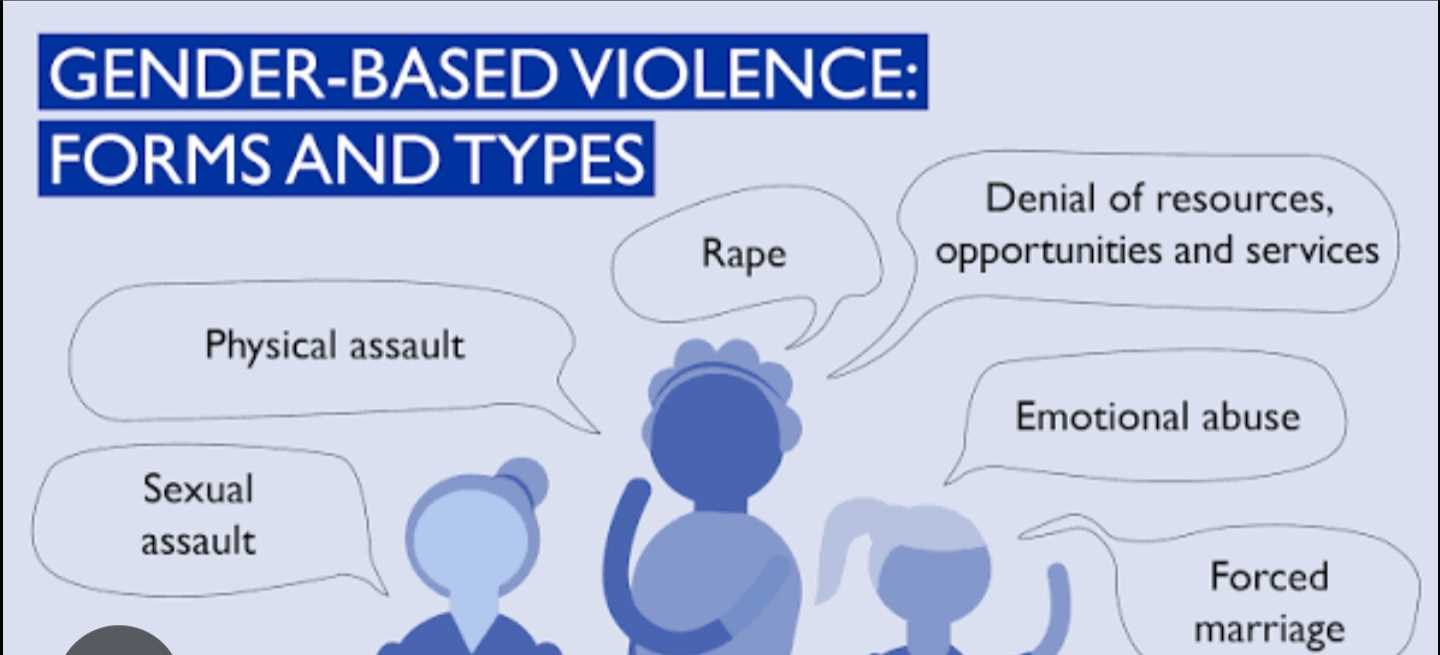
For years, public discourse around GBV has largely centred on physical violence. However, advocacy groups say emotional, sexual and economic abuse remain widespread but underreported, largely due to limited legal literacy, social stigma and restricted access to institutional support systems.
This evolving understanding has intensified calls for grassroots awareness programmes aimed at redefining how violence is recognised within households and communities.
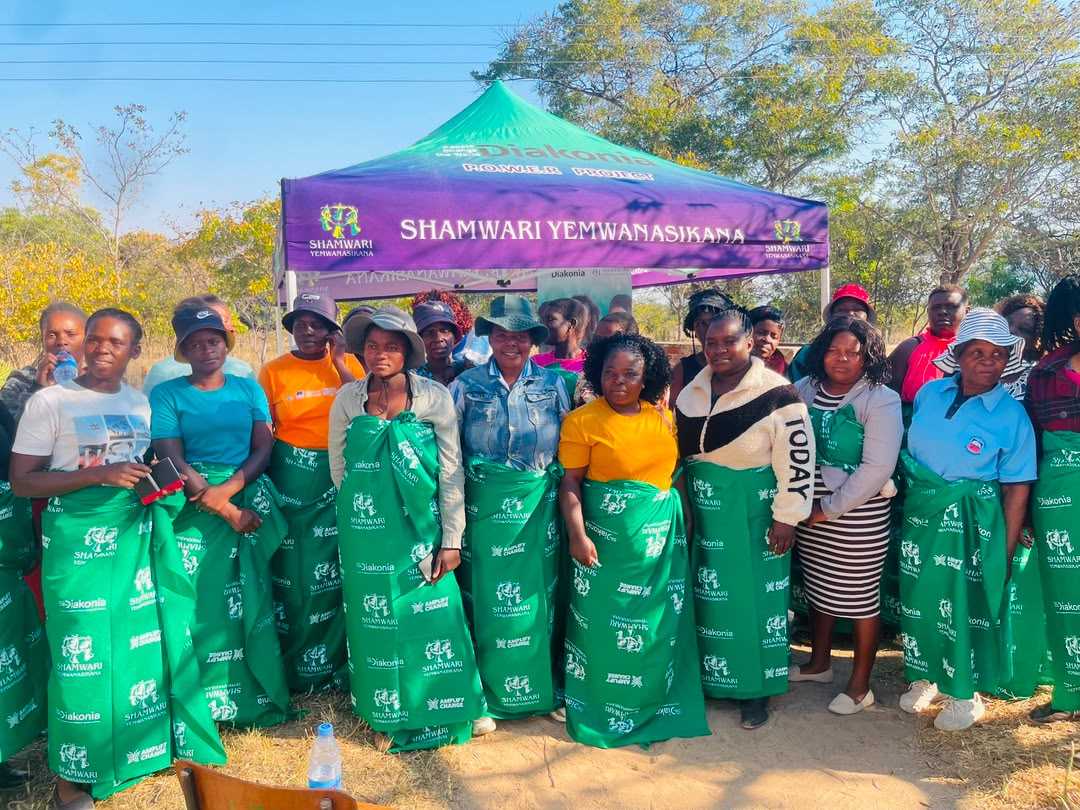
Women and Law in Southern Africa Zimbabwe recently conducted a legal literacy outreach in Mbire Ward 10, reflecting a growing emphasis on preventative education and strengthening survivor support pathways.
“In many communities, Gender-Based Violence is not only physical. It can also be emotional, sexual and economic, affecting women, men, children and entire families,” the organisation said.
The intervention highlights a broader challenge within Zimbabwe’s GBV response framework, where many survivors remain unaware that non-physical forms of abuse are legally recognised and actionable under existing laws.
Economic abuse — often involving financial control, deprivation of resources or restrictions on employment — has emerged as a particularly significant concern in a fragile economic environment where financial dependency can trap victims in abusive relationships.
Related Stories
One participant, identified as Reconciliation, said the session helped her better understand both the nature of abuse and available support systems. According to WLSA Zimbabwe, she explained that the engagement clarified the different forms of GBV and where survivors can seek assistance.
The organisation noted that participants were introduced to key referral institutions, including the Zimbabwe Republic Police Victim Friendly Unit and the Ministry of Women Affairs, Community, Small and Medium Enterprises Development, which provide counselling, guidance and referral services for survivors.
The emphasis on referral pathways reflects a longstanding challenge in Zimbabwe’s GBV response system — fragmentation between reporting mechanisms, healthcare services, psychosocial support and legal follow-through.
Although Zimbabwe has strengthened its legislative and institutional framework to combat GBV over the years, implementation remains uneven, particularly in remote districts where access to police services, legal aid and safe shelters remains limited. Awareness campaigns have therefore become a critical frontline tool in bridging the gap between policy protections and practical access to justice.
At the same time, rising economic pressures are reshaping the GBV landscape. Advocacy organisations and social researchers increasingly link unemployment, financial instability and household stress to heightened risks of domestic violence, especially in vulnerable rural and peri-urban communities. This has broadened the national conversation beyond criminal justice responses toward addressing underlying socio-economic drivers.
The growing focus on emotional and economic violence signals an evolution in advocacy strategy. Rather than concentrating solely on crisis response, organisations are now working to reshape social norms and promote early recognition of abusive patterns before they escalate into physical harm.
Despite these efforts, structural barriers continue to hinder progress. Cultural attitudes, fear of retaliation, financial dependence and distrust in institutions still discourage reporting, while overstretched public support systems limit survivor assistance.
In many districts, Victim Friendly Units and social welfare services remain under-resourced relative to growing demand.








Leave Comments