






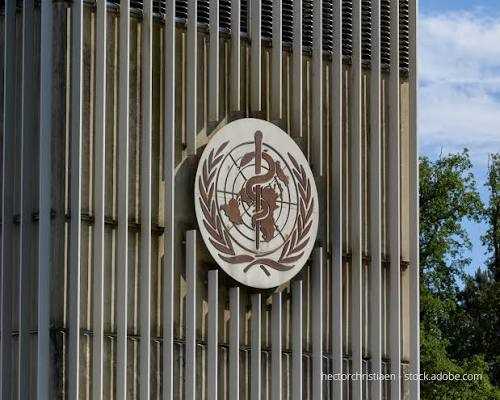
The World Health Organisation has raised alarm over the quality and safety of certain rapid diagnostic test kits used for detecting HIV, malaria and syphilis, warning they could pose potential risks to patients.
In an information notice issued on March 16, 2026, WHO said the concerns relate to in vitro diagnostic devices manufactured by Meril Diagnostics at facilities in India, following a special inspection that uncovered serious quality management issues.
“Critical nonconformities across the quality management system at the manufacturing sites were identified that may pose a risk to patient safety,” the WHO said.
The inspection, conducted in October 2025, was triggered by concerns over possible non-compliance and product quality issues. As a result, WHO issued a Notice of Concern in December 2025 and subsequently removed the affected products from its list of prequalified diagnostic tools in January 2026.
The affected products include several rapid diagnostic tests used in disease control programmes, including malaria antigen tests and HIV screening kits.
Related Stories
Despite the findings, WHO noted that independent laboratory testing of 29 batches of malaria rapid diagnostic tests over the past year did not detect failures, suggesting mixed outcomes in product performance.
The global health body has urged national authorities, procurement agencies and health institutions to carefully assess the risks associated with continued use of the affected kits.
“Users are encouraged to follow the advice of relevant national regulatory authorities,” the WHO said, adding that decisions on whether to continue using the products should be based on local risk-benefit assessments.
WHO further advised that where alternative diagnostic products are available, countries should “strongly consider switching to alternative products.”
Health workers have also been urged to remain vigilant and report any irregularities, including false results or defective packaging, as part of ongoing monitoring efforts.
In cases where alternatives are not immediately available, particularly for malaria testing, WHO recommended continued use with caution, including retesting patients where necessary and closely monitoring symptoms.
The notice has been circulated to national health authorities, disease control programmes and procurement agencies globally, as WHO intensifies oversight of diagnostic tools critical to managing infectious diseases.










Leave Comments