








Zimbabwe’s 90-day nationwide public consultations on Constitution Amendment Bill No. 3 officially ended today, paving the way for Parliament to compile findings from more than 300,000 submissions gathered during hearings held across the country.
The proposed constitutional amendment has emerged as one of the most politically consequential legislative processes in recent years, with debate centering on proposed changes to the electoral cycle, governance structures and executive succession mechanisms.
According to Government, the Bill seeks to extend Zimbabwe’s election cycle from five to seven years and introduce a parliamentary process for electing the President under certain constitutional circumstances, alongside broader governance reforms.
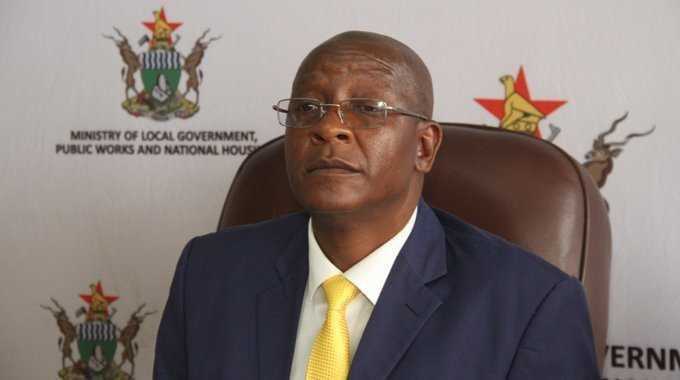
Justice Minister Ziyambi Ziyambi said parliamentary debate on the Bill would commence after the Parliamentary Committee responsible for the consultations completes its final report.
Ziyambi defended the proposed amendment process, arguing that the Bill does not alter constitutional presidential term limits and therefore does not trigger the requirement for a national referendum.
“The Constitution Amendment Bill No. 3 seeks to extend the election cycle from five to seven years, not alter presidential term limits, and therefore does not require a referendum,” Ziyambi said.
Related Stories
“He clarified that Sections 91(2) and 328 on term limits remain unchanged, with the Bill instead focusing on Section 95 and related clauses governing the electoral cycle.”
The minister added that referendums are constitutionally required only for amendments affecting specific protected provisions, including the Declaration of Rights, agricultural land clauses and presidential term limits.
“Referendums are only required for changes to specific constitutional provisions such as rights, agricultural land, and term limits,” he said, adding that the proposed changes would apply across all elected offices.
Government argues that extending the electoral cycle would improve policy continuity, reduce the frequency and cost of elections and create a longer planning horizon for national development programmes under Vision 2030.
However, the Bill has already attracted significant legal and political scrutiny from opposition parties, constitutional lawyers and civil society organisations, many of whom argue that the proposed amendments could fundamentally reshape Zimbabwe’s democratic architecture and weaken constitutional safeguards.
Critics have also questioned whether extending electoral terms without a referendum undermines the spirit of the 2013 Constitution, which was adopted following a national referendum process.






Leave Comments