






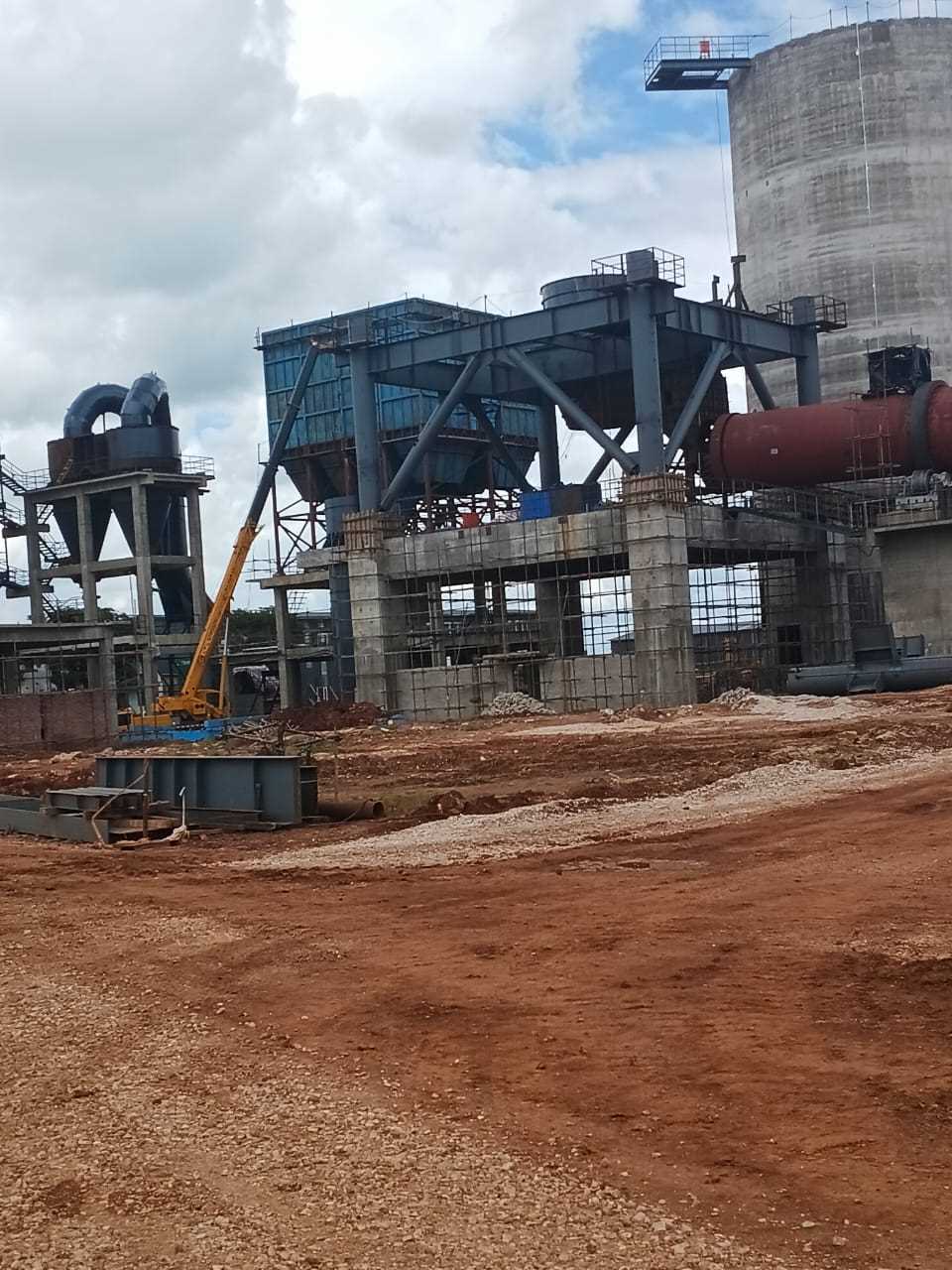
Zimbabwe’s cement manufacturing capacity is set to expand with the near completion of a US$120 million plant in Chegutu, as Shuntai Investments advances construction of a facility expected to add significant output to the domestic market. The project, now 80 percent complete, includes an on-site clinker processing plant and crusher unit, positioning it as a fully integrated operation.
The Ministry of Industry and Commerce said the development reflects “strong investor confidence” and highlighted its potential to “reduce reliance on cement imports” while stabilising prices and supporting infrastructure demand. The plant is designed to produce 800,000 metric tonnes annually, a scale that could materially shift supply dynamics in Zimbabwe’s cement sector.
Zimbabwe’s current cement demand is estimated at 1.3 to 1.5 million tonnes per year, driven by housing, public infrastructure, and private construction activity. Existing producers, including PPC Zimbabwe, Lafarge Cement Zimbabwe, and Sino-Zimbabwe Cement Company, have a combined installed capacity exceeding 2 million tonnes annually, although effective output has at times been constrained by kiln downtime, power shortages, and input costs.
Related Stories
Against this backdrop, the addition of 800,000 tonnes could strengthen supply reliability and reduce periodic shortages that have previously driven price volatility. Cement prices in Zimbabwe have fluctuated in recent years, influenced by exchange rate movements, energy costs, and supply disruptions. Increased local production capacity is therefore expected to ease pressure on prices, although the extent of price reductions will depend on production efficiency and input costs, particularly energy.
The project’s import substitution potential is notable. Zimbabwe has intermittently relied on cement imports, particularly from South Africa and Zambia, during periods of local supply constraints. By expanding domestic clinker production, often a key bottleneck, the Chegutu plant could reduce the need for imports and improve self-sufficiency in a strategic construction input.
Employment projections linked to the project are significant, with expectations of over 4,000 jobs across construction and operations, while more than 300 workers are already engaged during the current phase. As with most capital-intensive manufacturing projects, a substantial share of long-term employment impact is likely to be indirect, through logistics, construction, and supply chains supporting cement distribution.
Cement remains a foundational input for infrastructure and housing, sectors that are central to Zimbabwe’s development agenda.







Leave Comments