





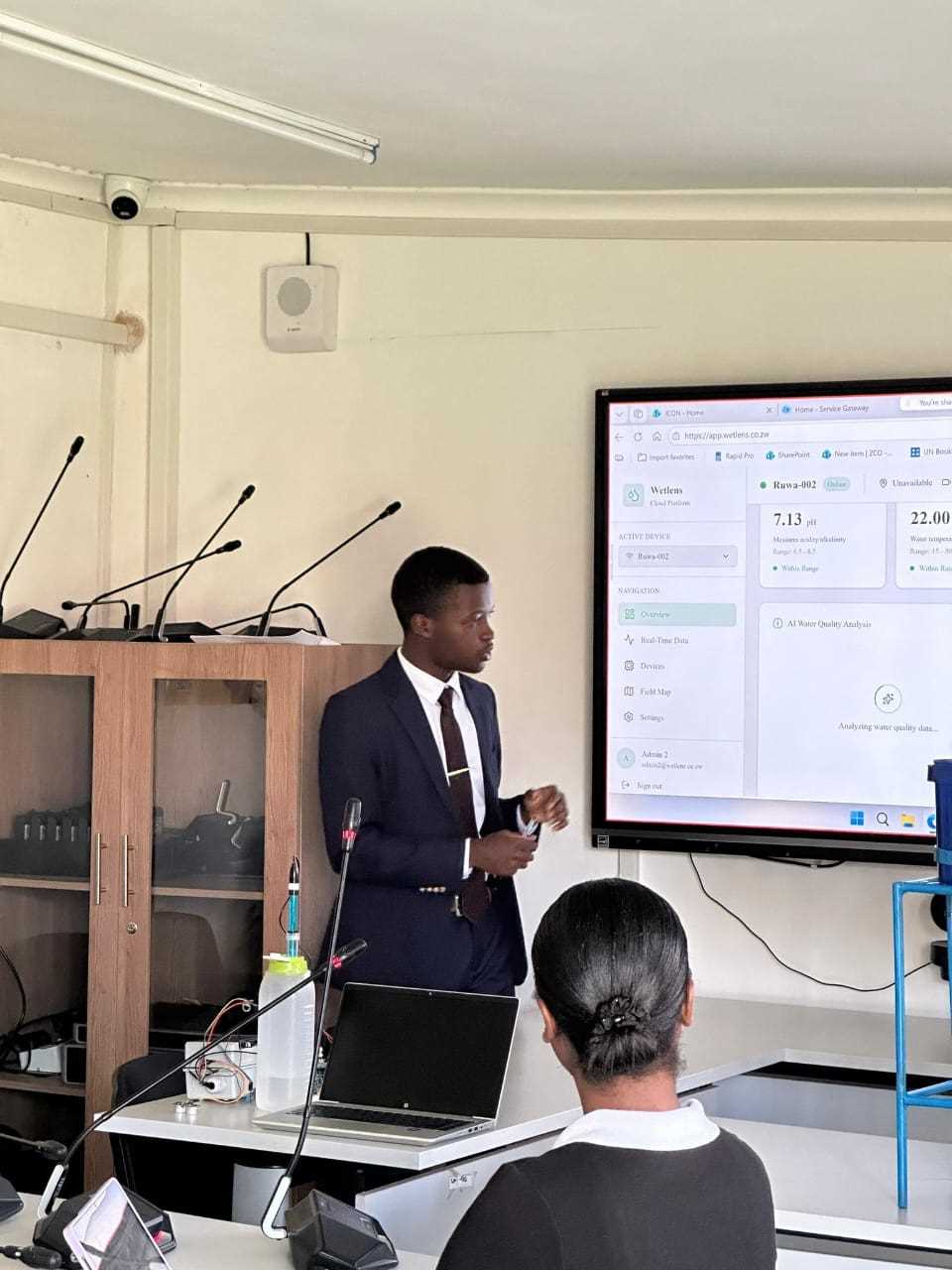
Zimbabwe is scaling up support for youth-led climate innovation as part of broader efforts to address environmental challenges while expanding economic opportunities for young people. The initiative focuses on nurturing locally developed solutions that can respond to climate risks while generating income and employment at community level.
The programme, supported by the United Nations Children's Fund and funded by the Korea International Cooperation Agency, is enabling young innovators to develop and pitch climate-focused business ideas. It reflects a growing policy shift toward linking climate action with entrepreneurship and job creation.
UNICEF Zimbabwe said the initiative is centred on practical outcomes, noting that young innovators are “pitch[ing] homegrown solutions to the climate crisis” and are “creating jobs and income for their communities,” highlighting the dual focus on environmental sustainability and economic inclusion.
Zimbabwe faces significant climate-related challenges, including recurring droughts, floods, and shifting rainfall patterns that affect agriculture, energy, and livelihoods.
Related Stories
Youth, who make up over 60 percent of the population, are particularly vulnerable to unemployment, with joblessness estimates for young people exceeding 30 percent. Programmes that combine climate action with enterprise development are therefore increasingly seen as a pathway to address both environmental and economic pressures.
Across Africa, climate innovation is emerging as a growing sector, attracting increasing levels of funding, particularly in areas such as renewable energy, climate-smart agriculture, and waste management.
However, access to finance remains a major constraint for early-stage innovators, many of whom struggle to move from concept to scalable business due to limited seed funding and technical support.
By focusing on local solutions, the initiative aims to address context-specific challenges while building entrepreneurial capacity.
Homegrown innovations are often better adapted to local conditions, particularly in rural areas where climate impacts are most severe and access to external technologies is limited.








Leave Comments