







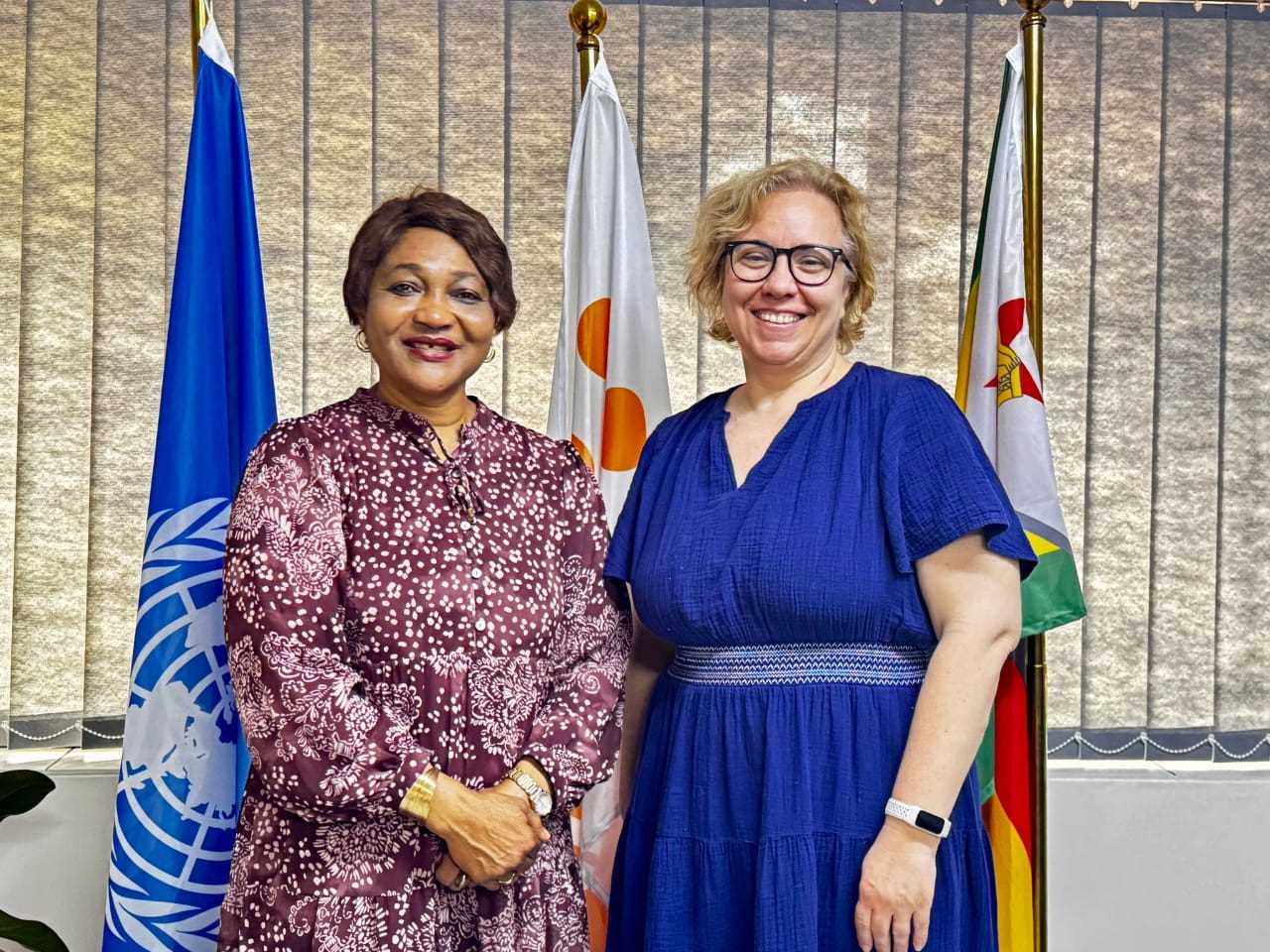
A strategic visit by senior officials from the United Nations Population Fund is drawing renewed attention to Zimbabwe’s continued reliance on external funding to sustain critical health and gender-based violence programmes, amid limited domestic investment and uneven service delivery outcomes.
The mission, involving leadership from UNFPA Zimbabwe, comes at a time when key indicators across reproductive health, GBV response and medical supply systems show slow or inconsistent progress despite more than a decade of donor-supported interventions.
Zimbabwe’s GBV burden remains structurally high. National survey data indicates that roughly 35 percent of women have experienced physical or sexual violence. However, response infrastructure remains limited, with safe shelters, counselling services and legal support largely concentrated in urban centres, leaving many rural communities underserved.
Civil society organisations such as the Musasa Project continue to absorb significant demand pressures, though capacity constraints restrict nationwide coverage.
Parallel challenges persist within the public health supply chain, a key area of engagement with the National Pharmaceutical Company of Zimbabwe (NatPharm). Health facilities across the country frequently report stock-outs of essential medicines and reproductive health commodities, highlighting ongoing procurement, financing and distribution inefficiencies that technical assistance alone has not fully resolved.
Funding sustainability remains a central concern. Zimbabwe has consistently fallen short of the Abuja Declaration target requiring governments to allocate 15 percent of national budgets to health.
Related Stories
Public health expenditure has often remained below 10 percent, deepening dependence on development partners for services such as family planning, maternal health care and HIV-related interventions.
“The mission provides an opportunity to gain deeper insight into UNFPA Zimbabwe’s work strengthening programme delivery, enhancing operational efficiency and supporting both humanitarian and development efforts that are transforming lives across communities,” the organisation said in a statement.
Although maternal mortality has declined from earlier peaks, it remains high relative to regional benchmarks. Persistent challenges include gaps in emergency obstetric care, weak referral systems and shortages of trained health personnel, particularly at district-level facilities.
“As part of the mission, engagements with UNFPA teams and implementing partners will showcase critical work in addressing gender-based violence and strengthening health supply chains,” UNFPA added.
Demographic pressures continue to intensify demand. With more than 60 percent of Zimbabwe’s population under the age of 25, the need for youth-friendly sexual and reproductive health services continues to outpace available resources. Urban-rural disparities further compound unequal access to care and health outcomes.
The visit ultimately underscores a broader structural dilemma: while programme frameworks and partnerships are well established, measurable national gains remain constrained by financing gaps, institutional capacity limitations and uneven implementation.
Without a significant shift toward increased domestic health investment and system-wide reforms, analysts warn that current interventions risk sustaining services rather than delivering transformative improvements in national health indicators.







Leave Comments