





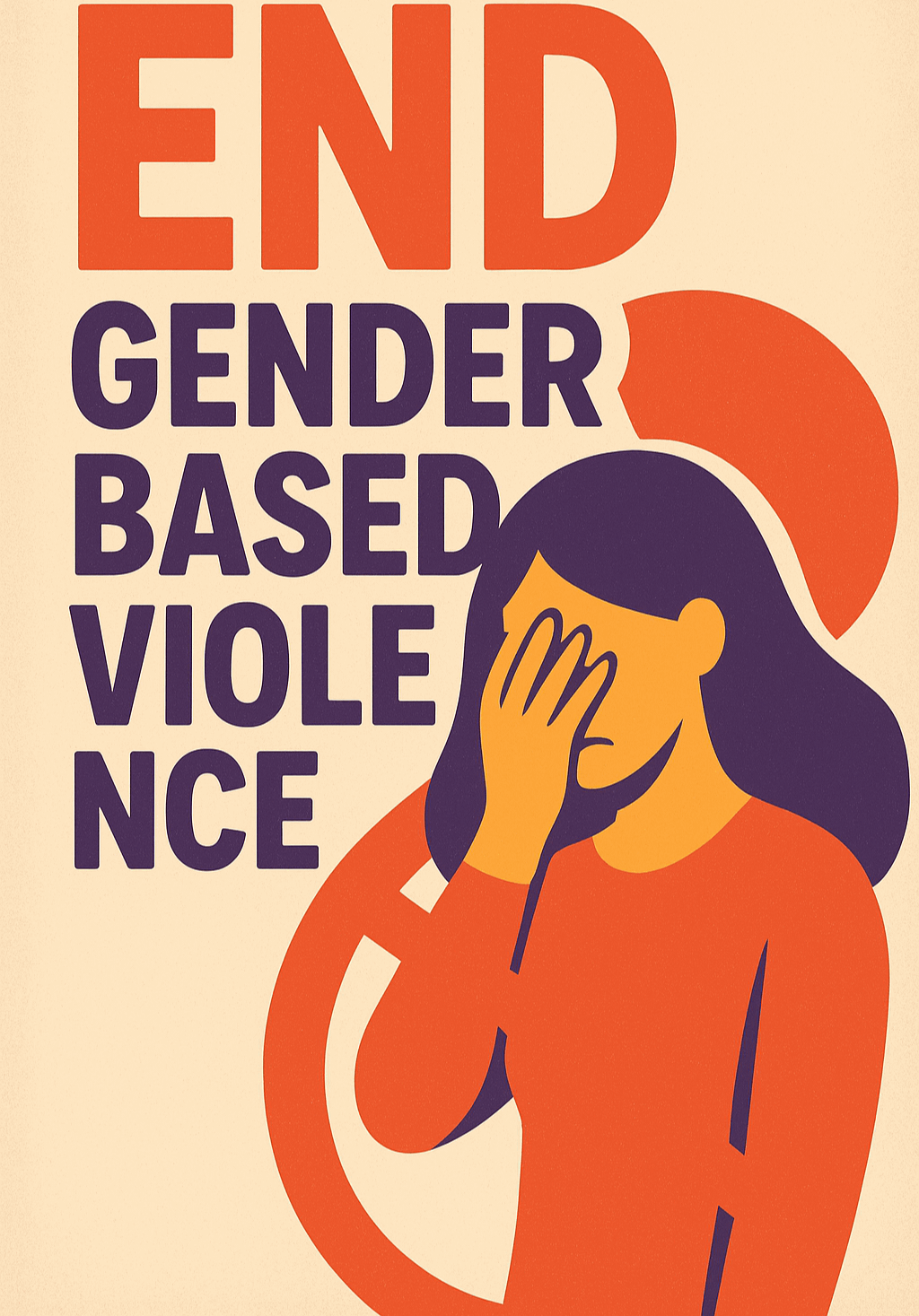
As the world observed International Human Rights Day and Universal Health Coverage Day, experts at the SHE & Rights session convened by CNS, the Global Center for Health Diplomacy and Inclusion, Women Deliver Conference 2026, IPPF, ARROW, WGNRR, APCAT Media, and others, warned that progress in ending violence against women and girls remains dangerously slow, with far-reaching health consequences.
“Violence against women and girls is a violation of human rights, rooted in gender inequality and an impediment to sustainable development.
"Despite all the efforts over decades to end gender-based violence, the painful reality or truth is that we are far behind from the goal of ending all forms of violence against women and girls,” said Dr Pam Rajput, Emeritus Professor at Panjab University and former Chairperson of India’s High-Level Committee on the Status of Women.
“Over 840 million women have faced violence globally. Number of women who face violence in conflict settings has doubled. In the past 12 months, 316 million women have faced physical violence or sexual abuse by their intimate partners, and 263 million women have faced it by non-intimate partners. Over 51,000 cases of femicide have been reported,” she added.
“Even women parliamentarians are not free of violence: in a survey, 82% of them reported facing some form of psychosocial violence. 73% of women journalists reported facing online violence, and 20% of them have even suffered offline attack by anti-gender groups.”
“We need to address structural inequalities, patriarchal norms, ‘normalisation’ of gender-based violence, consumerist neoliberal models of development, gender insensitivity of the enforcement agencies (such as police or judiciary), and under-investment in gender equality, if we are to address violence against women and girls,” Dr Rajput said.
Dr Rajput also highlighted the international legal framework: “The preamble of the United Nations adopted by all governments in 1945 begins with the three words: ‘We the people…’ and not just men alone.
Gender equality is also enshrined in the Universal Declaration of Human Rights and legally binding UN treaty CEDAW (Convention on the Elimination of all forms of Discrimination Against Women) of 1979. Governments also committed to address violence against women in CEDAW.
In 1993, world leaders at the United Nations General Assembly passed a resolution to eliminate gender-based violence. In 1995, the UN Conference on Women in Beijing and its landmark Beijing Declaration and Platform for Action committed governments to address violence against women too.
Despite so many agreements and declarations to end violence against women and girls, the question remains why the rates have not declined.”
Shobha Shukla, SHE & Rights Coordinator and Founder of CNS, emphasized the alarming stagnation: “There is no change in violence against women and girls since 2000. In the last 26 years – since 2000 onwards – annual decline in intimate partner and sexual violence is abysmally low at 0.2%. This is UNACCEPTABLE.”
She added: “Also, we must realise that out of 193 countries, 165 countries have domestic violence laws but only 104 countries have comprehensive legislative policies and laws in place. Almost 48% of countries LACK comprehensive policies to address domestic violence.
Also, those countries where laws exist, funding to address domestic violence is not adequate – rather, it has declined since 2022. So, when we read that 1 in 3 women worldwide has experienced violence at least once in her lifetime, this is a gross understatement. Actual violence rates must be very high – which is so very alarming, painful, and unacceptable.”
Related Stories
Esther Asuquo, gender and peace advocate with the African Girls Empowerment Network (AGE Network) in Nigeria, spoke on the health consequences: “Gender-based violence not only violates human rights of women and girls but also exposes them to risk of acquiring HIV and other infections.
Gender-based violence and HIV create a nexus or a cycle of violence, stigma, and discrimination. Unequal power and harmful gender norms further increase the risks and vulnerabilities of women and girls for violence and HIV.”
“Gender-based violence increases risk for women and girls of forced sex, physical trauma, sexual violence, including intimate partner violence and rape. It also increases the inability to negotiate safer sex among young women and girls,” she said.
“Gender-based violence has severe economic consequences as it can lead to loss of income, employment, discrimination, financial dependency, and vulnerability, making it difficult for women to leave abusive homes. Survivors often experience significant psychological trauma including depression and other mental health issues, which affect overall wellbeing.”
Albertina Nyatsi, Founder Director of Positive Women Together in Action, Eswatini, who led CNS at Africa’s largest AIDS and STIs conference (ICASA 2025) in Ghana, highlighted the interconnection with HIV: “The largest conference in Africa on AIDS and sexually transmitted infections just took place in Ghana. It is important to end all forms of gender-based violence if we are to end AIDS and deliver on the promise of gender equality by 2030.
Gender-based violence and HIV are deeply intertwined – gender-based violence is a major driver for HIV infection, especially in women and girls via forced sex and coercion. HIV stigma and discrimination fuels gender-based violence, creating a vicious cycle where fear, power imbalances, and lack of resources prevent testing, treatment, and safer sex negotiation.
Addressing this requires integrating services for gender-based violence into HIV care, empowering women, challenging gender inequality, and empowering individuals to negotiate safe practices.”
Experts collectively stressed that global commitments must translate into local action.
“The agreed conclusions of UN Commission on the Status of Women every year and Political Declarations every four years must get fully implemented by countries. Promises made at the global level must translate into local realities,” Dr Rajput said.
“How can we talk about sustainable development ‘where no one is left behind’ when millions of women and girls are not free of economic, social, sexual, and other forms of violence?
We demand zero tolerance for violence against women both in policy and practice. Violence against women is not inevitable,” Shukla added.
The SHE & Rights session made clear that ending gender-based violence is not just a moral or legal imperative — it is central to protecting health, achieving universal health coverage, and ensuring human rights for all women and girls.









Leave Comments