






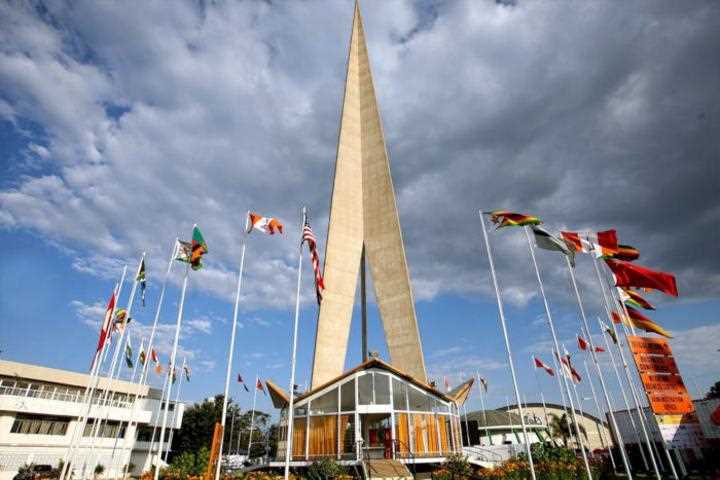
Every year, the Zimbabwe International Trade Fair transforms Bulawayo into a stage of polished exhibition stands, policy speeches and corporate optimism. For a brief moment, Zimbabwe appears as a fully structured, investment-ready economy.
Then the gates close.
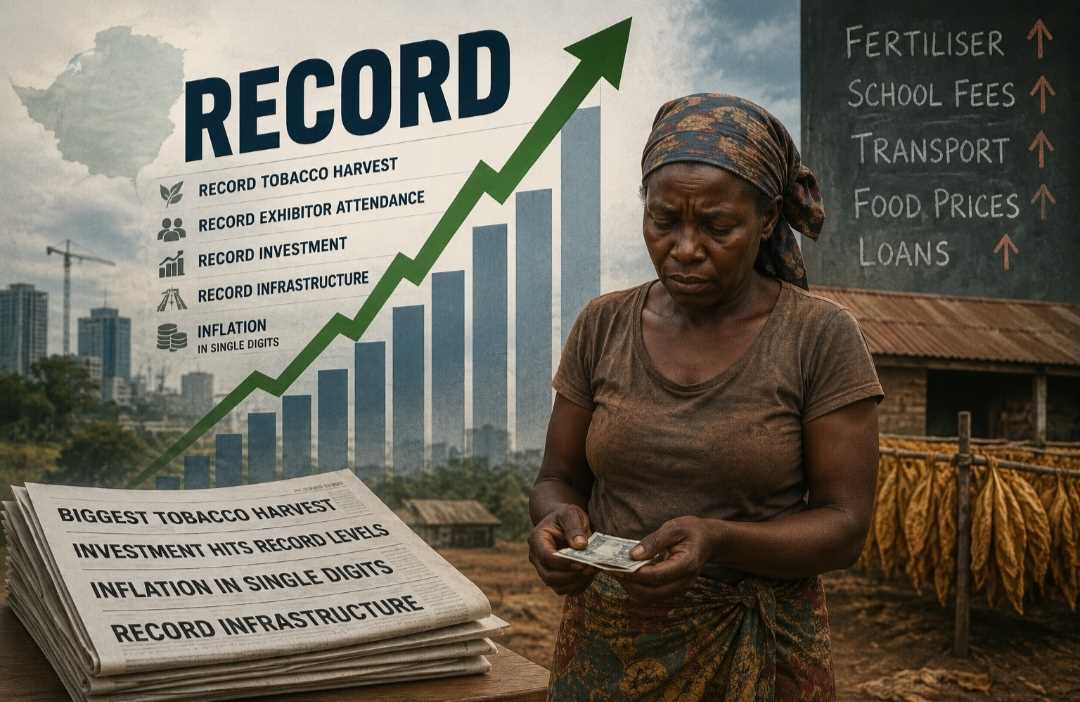
Outside the exhibition grounds, the real economy resumes: vendors at intersections, cross-border traders navigating currency shifts, backyard manufacturers improvising production, and small-scale farmers negotiating survival season by season. This activity is not peripheral. It is the backbone of Zimbabwe’s economy, employing more than 60 percent of the population and accounting for a significant share of national economic activity.
Which raises an uncomfortable question: what exactly is ZITF reflecting—and who is it for?
The performance of formality
ZITF speaks the language of formal economics—investment pipelines, export strategies, compliance frameworks and corporate partnerships. It is orderly, structured and legible to policymakers and international investors.
But it is also selective.
Zimbabwe’s economy is not primarily formal. It is fluid, adaptive and largely informal. The Mbare furniture maker, the Glen View welder, the cross-border trader managing multiple WhatsApp catalogues—these actors are not operating on the margins. They are the economy.
Yet at ZITF, they remain largely absent.
Not by choice, but by design.
Exhibition space costs thousands of dollars. Participation assumes tax clearance, business registration and operational scale. Networks are closed rather than porous. The outcome is predictable: the most economically active Zimbabweans remain outside the country’s premier transaction platform.
They can attend. They can observe. They can admire.
But they cannot meaningfully participate.
An economy where the majority are spectators at its flagship trade platform is not being showcased—it is being edited.
Why ZITF still matters
Scrapping ZITF would be the wrong conclusion.
The fair remains one of Zimbabwe’s most important economic interfaces with the region and the world. It signals investment readiness, aligns sectors and facilitates high-level deal-making. Mining, agriculture and manufacturing still depend on such platforms to anchor exports and foreign currency inflows.
But its relevance remains incomplete.
Related Stories
Zimbabwe’s core challenge is not economic inactivity. It is disconnection.
The informal sector produces. The formal sector structures. The gap between the two is where value is consistently lost.
From exhibition to exchange
What ZITF currently offers is visibility. What the economy needs is connection.
That shift requires moving from exhibition to exchange—not cosmetic adjustments, but structural reform.
A meaningful redesign would include ring-fencing exhibition space for SMEs and informal producers at subsidised rates with simplified entry requirements. Compliance should function as a service rather than a barrier, with on-site tax registration, licensing assistance and digital onboarding enabling businesses to formalise while participating.
Procurement must become central. Large exhibitors—particularly corporates and state-linked entities—should publish and meet SME procurement targets as a condition of exhibiting. A live marketplace model could allow small producers to pitch, price and conclude transactions with bulk buyers in real time.
Most importantly, ZITF must deliver tools rather than conversation: integrated payment systems, logistics solutions and export pathways activated on the exhibition floor rather than deferred to conference panels.
Across Africa, trade expos in countries such as Kenya and South Africa have increasingly incorporated SME pavilions and procurement linkages—not perfectly, but deliberately—recognising that small enterprises are not peripheral to growth but central to it.
This is not inclusion as charity. It is economic efficiency.
An economy that fails to connect its most productive actors to its most structured markets is choosing to underperform.
Beyond symbolism
In its current form, ZITF risks becoming performative—a place where Zimbabwe rehearses the economy it wishes it had rather than engages the one it actually operates.
Symbolism is easy. Function is harder.
But in a constrained economy, function is the only metric that matters.
ZITF will return next year with bigger stands, louder messaging and renewed optimism. Its relevance, however, will not be measured by attendance figures or exhibition size.
It will be measured by something far more concrete: how many informal businesses secure contracts, enter formal supply chains or access new markets because of it.
Until that answer changes, ZITF risks remaining what it increasingly resembles—
a performance convincing to outsiders, but structurally disconnected from the people who sustain Zimbabwe’s economy.
Simbarashe Namusi is a peace, leadership and governance scholar and media expert writing in his personal capacity.





Leave Comments