


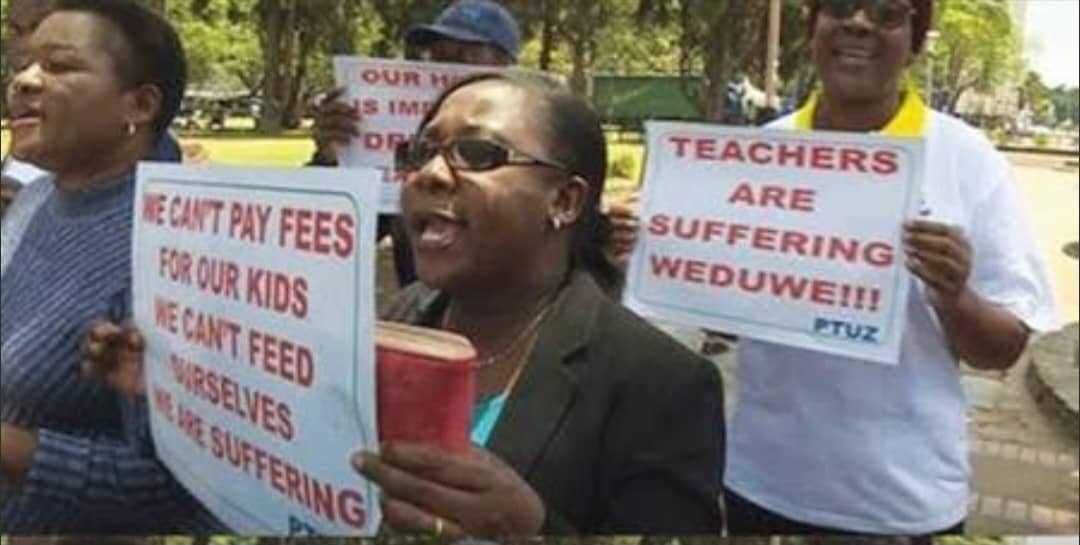





Zimbabwe’s opposition forces have pivoted their strategy regarding the controversial Constitutional Amendment Bill No. 3 (CAB3), moving away from debating the Bill’s legality to challenging the integrity of the public consultation process.
Zimbabwe’s opposition has shifted its strategy on Constitutional Amendment Bill No. 3, moving away from a direct legal and political challenge to the substance of the Bill toward contesting the credibility of the public consultation process that underpins it.
The recalibration, now centered on alleged flaws in public hearings, marks a significant departure from earlier arguments that framed the amendment itself as unconstitutional.
The latest legal maneuver by former legislator Amos Chibaya and activist Allan Chipoyi illustrates this shift. Their initial High Court application, which sought to block the progression of CAB3, was withdrawn after the court ruled that the matter required oral evidence due to disputed facts.
The case is now set to return in expanded form, with over 240 witnesses expected to testify, focusing not on the legality of the Bill’s provisions, but on allegations that public hearings were marred by violence, intimidation, and exclusion.
This procedural pivot comes after weeks of opposition participation in parliamentary outreach meetings engagements that, by their very nature, risk conferring a degree of legitimacy on the legislative process.
By attending and attempting to contribute to the hearings, opposition actors effectively acknowledged the consultative framework established by Parliament, even as they now seek to discredit its execution.
This dual posture participation followed by rejection has opened the opposition to criticism that it has inadvertently validated the very process it now challenges.
Earlier, opposition leaders and constitutional advocates had mounted a more direct critique of CAB3, arguing that proposals linked to extending President Emmerson Mnangagwa’s tenure beyond 2028 violate entrenched constitutional provisions.
Related Stories
Legal interpretations from figures such as Lovemore Madhuku and Tendai Biti emphasised that any extension of presidential term limits would require a national referendum, not merely parliamentary approval. This line of argument positioned the Bill itself not just its process as fundamentally unlawful.
However, the opposition’s current emphasis has shifted decisively toward the conduct of hearings. Leaders within the Defend the Constitution Platform described the outreach exercise as illegitimate, with Jameson Timba stating, “This is not consultation.
It is orchestration,” citing incidents where “citizens were denied the opportunity to speak” and where “violence and intimidation were deployed against those expressing dissenting views.”
Reports from Harare and Bulawayo indicate that some hearings were disrupted, with opposition participants alleging they were sidelined or physically prevented from contributing.
The strategic repositioning is further reinforced by political messaging from Nelson Chamisa, who has distanced himself from direct confrontation over CAB3.
In a statement addressing planned protests, Chamisa urged restraint, saying, “I will not recommend my brothers and sisters taking part in any form of demonstration against the amendment processes,” and framing the moment as one requiring “strategic stillness” rather than immediate resistance.
His stance signals a broader retreat from direct mobilisation against the Bill, aligning with a shift toward longer-term political recalibration.
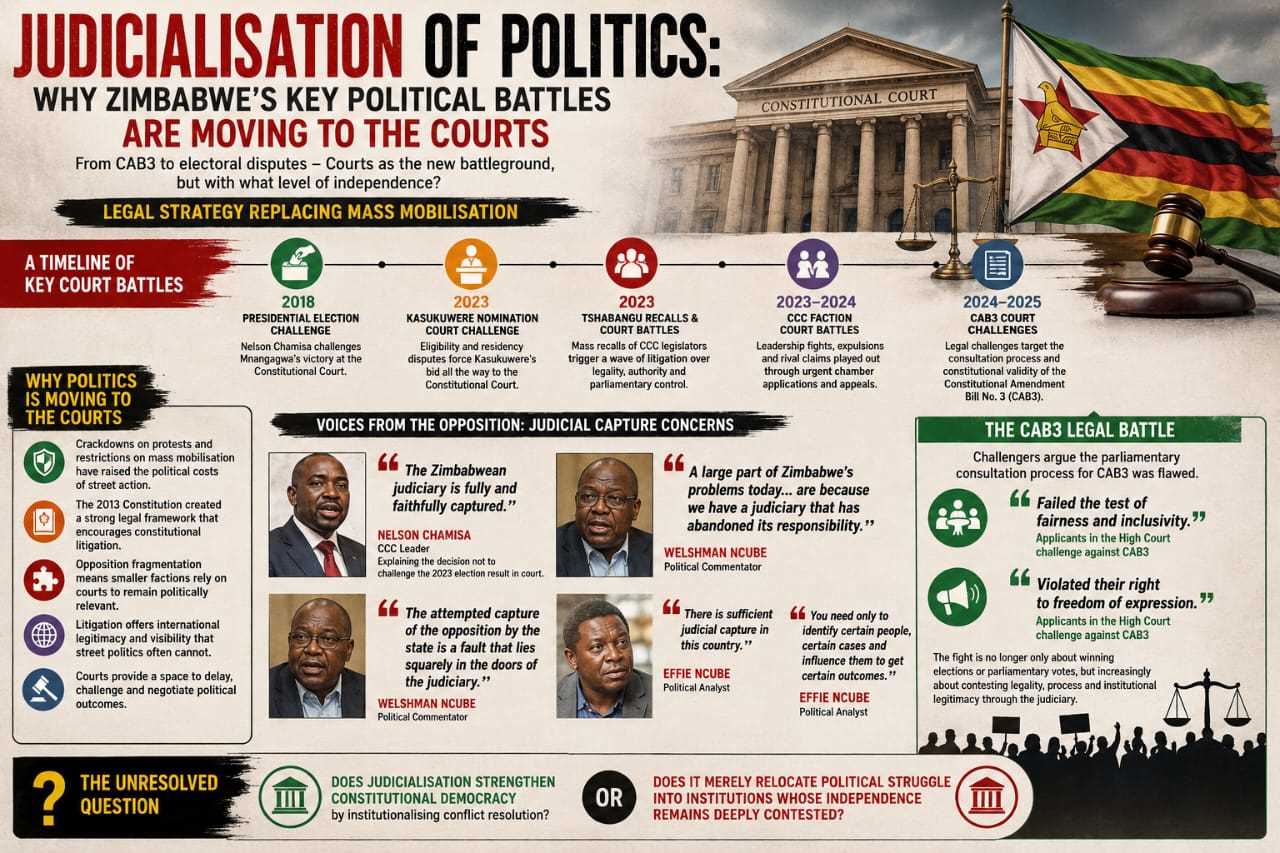
Yet this transition raises critical questions about coherence and effectiveness. By abandoning or at least deprioritising the substantive constitutional argument, the opposition risks narrowing the scope of its challenge to procedural irregularities, which, even if proven, may delay but not necessarily derail the legislative process.
At the same time, the reliance on court-based remedies places the contest within institutional frameworks that the opposition itself has often described as compromised.
There is also a deeper structural implication because public hearings, even when contested, form part of the constitutional requirement for consultation. Participation in those hearings whether to oppose or support feeds into the legislative record.
By engaging in the process before rejecting it, the opposition may have weakened its ability to argue that the process lacked legitimacy from the outset.







Leave Comments