







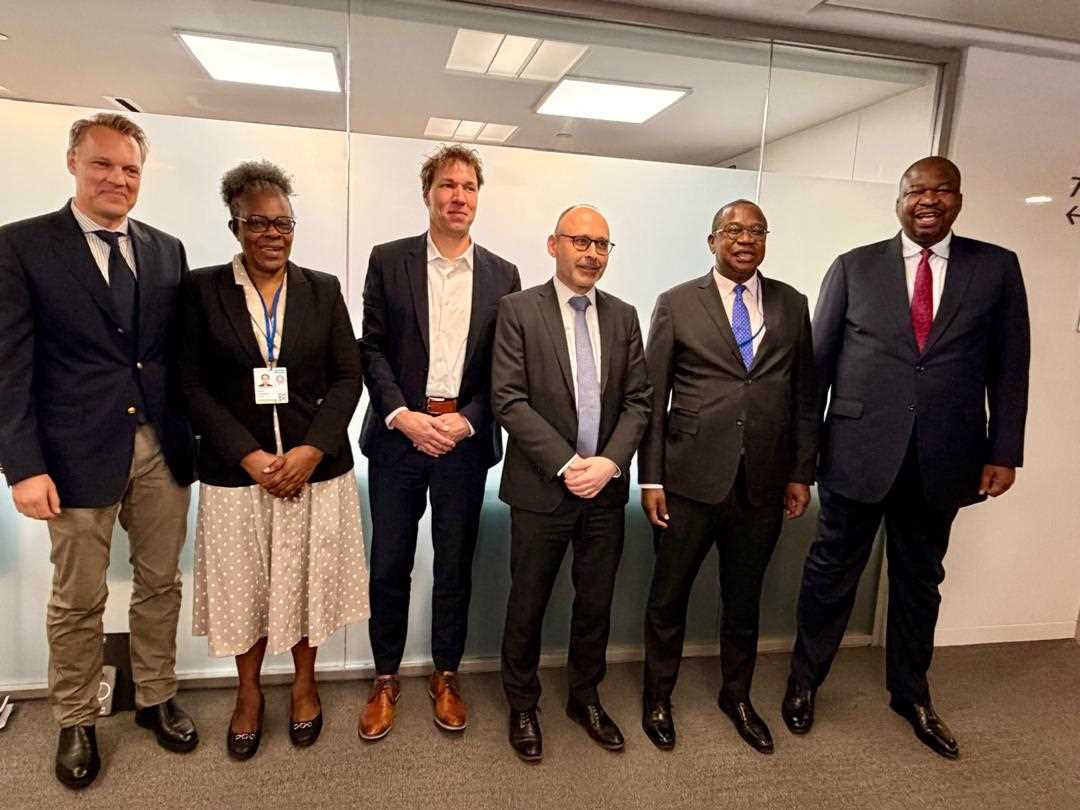
Zimbabwe is significantly intensifying its arrears clearance and debt restructuring strategy by leveraging the sidelines of the IMF and World Bank Spring Meetings to engage global powerhouses, specifically the United Kingdom and Germany. These high-level discussions represent a pivotal effort by the government to translate the current Staff-Monitored Program (SMP) into tangible progress regarding debt resolution and the restoration of access to international financing.
The engagement with United Kingdom representatives signaled a period of cautious support for Zimbabwe’s reform trajectory. British officials described the country’s progress under the SMP as a credible signal of commitment to reform and indicated a willingness to support implementation through technical assistance. This reflects a broader international strategy in which bilateral partners reinforce multilateral programs by providing capacity-building support rather than providing immediate financial relief.
Related Stories
The scale of the economic challenge remains immense as Zimbabwe’s total public and publicly guaranteed debt is estimated to exceed US$21 billion. External arrears account for a significant share of obligations to major institutions such as the World Bank, the African Development Bank, and Paris Club creditors. The clearance of these arrears is widely viewed by economic analysts as the non-negotiable prerequisite for restoring access to concessional financing and unlocking new investment flows into the country.
Discussions with Germany focused on a more specific role: securing an advocacy partner and a potential bridge-loan champion. This is considered a critical component of Zimbabwe’s roadmap toward financial stability. German representatives acknowledged the SMP as a critical foundation for the process and signaled an openness to playing an advocacy role. However, they emphasized the necessity of integrating private sector participation into the process, reflecting a global shift toward risk-sharing mechanisms in contexts where traditional sovereign financing options remain heavily constrained.
Concurrently, Zimbabwe is seeking to expand its private sector financing channels through increased access to credit lines and ongoing engagements with the International Finance Corporation. Despite these efforts, private capital inflows remain limited by persistent country risk perceptions, policy uncertainty, and the unresolved debt overhang that continues to weigh heavily on investor confidence. While the establishment of Special Economic Zones is intended to attract investment and boost export competitiveness, these initiatives face structural limitations without meaningful progress on arrears clearance and full re-engagement with international financial institutions.









Leave Comments