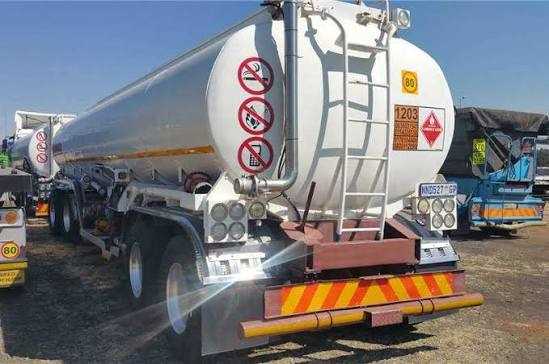
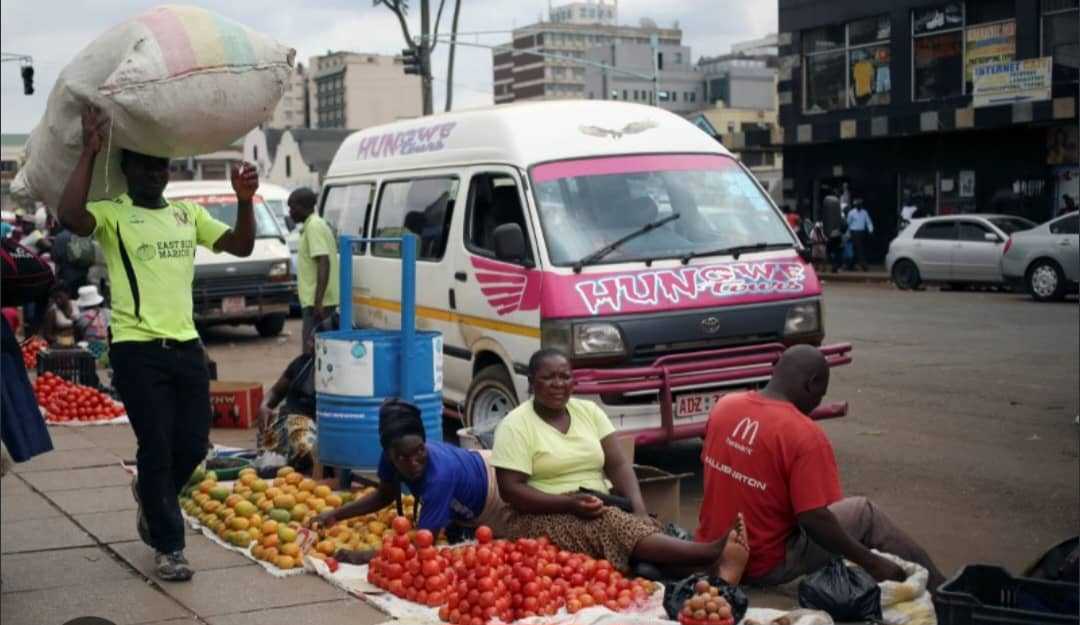





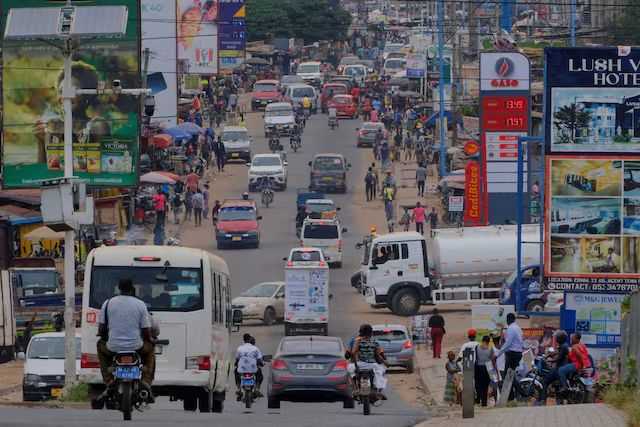
Ghana’s government is preparing to remove selected fuel taxes and supply chain levies in an effort to shield consumers from rising transport and energy costs triggered by escalating tensions in the Middle East.
Government spokesperson Felix Kwakye Ofosu announced that the relief measures will take effect within the next week, following consultations with industry players to determine which charges imposed by fuel distributors and retailers will be suspended.
The intervention comes as global oil markets react sharply to the ongoing conflict involving Iran, which has pushed fuel prices higher across Africa. Ghana, which imports roughly 70% of its refined petroleum products, has been particularly exposed to the surge in international oil prices.
Recent adjustments by the National Petroleum Authority saw petrol prices increase by about 15% to 13.30 Ghanaian cedis per litre, while diesel rose nearly 19% to 17.10 cedis during the current pricing window.
Related Stories
Authorities say the planned tax suspension will initially run for four weeks before being reviewed, depending on developments in global energy markets.
Officials attribute the latest price increases directly to the geopolitical crisis, which has disrupted supply expectations and intensified pressure on fuel-importing economies.
Beyond tax relief, the government has also directed the transport ministry to accelerate deployment of newly acquired Metro Mass buses on busy commuter routes. The buses are expected to charge fares lower than private operators in a bid to ease transport costs for ordinary citizens.
The policy response highlights growing concern among African governments over the economic ripple effects of rising oil prices, which threaten to fuel inflation, increase transport costs and slow economic recovery across import-dependent economies.






Leave Comments