





.
Gao Junya- CGTN
The China-Africa partnership is entering a new phase.
Starting May 1, China will grant zero-tariff treatment to 53 African countries with diplomatic ties, opening its vast market of over 1.4 billion consumers to African exports. More than a trade policy adjustment, this move signals a structural shift toward deeper integration, broader access and shared development.
A forward-looking step for China
At first glance, the policy may appear to entail a reduction in tariff revenue, with estimates suggesting China could forgo around 1.4 billion U.S. dollars. However, this reflects a broader, long-term development vision.
By diversifying import sources, China strengthens supply chain resilience amid growing global uncertainty. Closer economic ties with Africa, a continent rich in agricultural resources and raw materials, also contribute to more stable and secure industrial cooperation.
At the same time, the policy creates new opportunities for Chinese companies to invest in Africa. As tariffs are reduced, it becomes more attractive to build supply chains on the continent, process goods locally, and export them to China. This helps leverage Africa’s comparative advantages while supporting China’s industrial upgrading and outward cooperation.
Expanding exports will also support income growth in Africa, which in turn could strengthen demand for Chinese products, from agricultural machinery to green energy equipment, fostering a more balanced and mutually reinforcing trade relationship.
A transformative opportunity for Africa
For Africa, the benefits are both immediate and long-term.
Related Stories
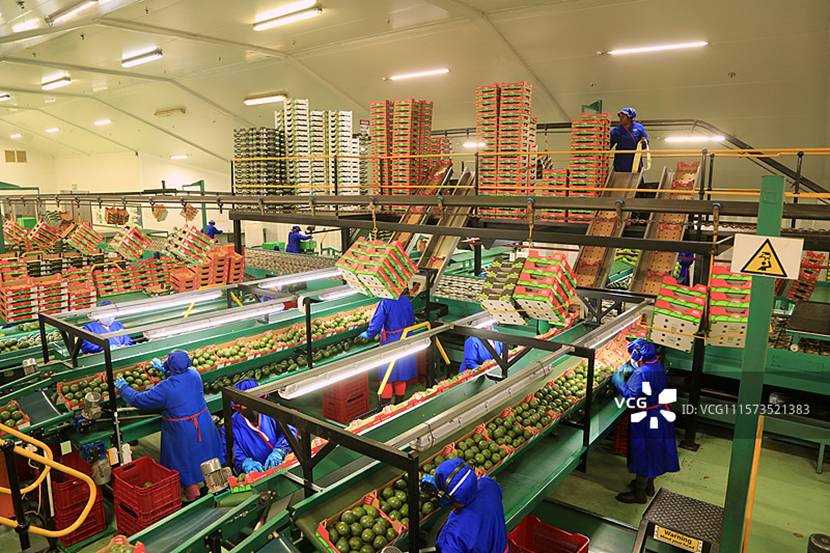
Agriculture is likely to see early gains. As an agrarian continent, Africa produces a wide range of goods, including coffee, tea, nuts, avocados and horticultural products, which are increasingly in demand in China. The removal of tariffs improves the price competitiveness of these products, especially compared to exports from other regions.
More importantly, the opportunities extend to value addition.
The zero-tariff framework supports a shift from exporting raw materials to higher-value processed goods. Instead of shipping unprocessed coffee beans, countries can move towards exporting roasted and packaged products; instead of raw nuts, branded and processed snacks. This move up the value chain is critical for industrialization, job creation and long-term economic resilience.
It also creates space for technology transfer and skills development. As Chinese firms invest in processing, logistics and manufacturing on the continent, local industries gain greater access to equipment, expertise and management experience, supporting long-term capacity-building.
With Africa’s young and rapidly growing population, employment effects are significant. Expanding value chains will empower young people and transform livelihoods for millions.
Areas for further progress
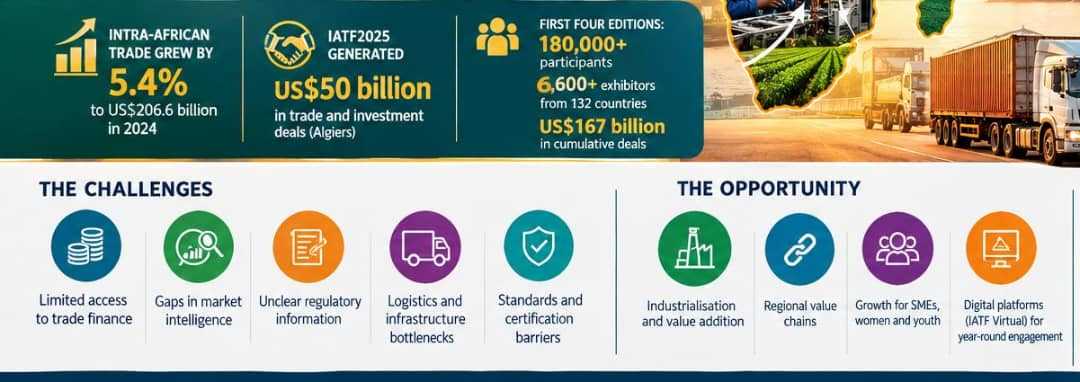
However, zero tariffs do not automatically mean zero barriers. Access to the Chinese market still requires meeting regulatory and phytosanitary standards, including quality, safety and inspection requirements.
Production capacity remains a key constraint. Many African agricultural systems are small-scale and fragmented, making it difficult to supply consistent volumes to a market as large as China. Infrastructure gaps, particularly in transport, storage and logistics, further limit market access, especially for perishable goods.
To fully benefit from the policy, coordinated efforts are needed to modernize agriculture, improve infrastructure, enhance trade facilitation and establish clear export protocols. Greater regional cooperation, including shared processing and logistics networks, could also help improve competitiveness and reduce costs.
In a world marked by fragmentation and uncertainty, China’s policy emphasizes openness, multilateralism and inclusive development. By expanding market access, the policy contributes to a more balanced global trading system and provides new momentum for South-South cooperation.
It also shows that China and Africa are steadfast partners in each other’s development and working more closely to build a more resilient and inclusive world.
Gao Junya produces the CGTN Radio China Africa Talk podcast.







Leave Comments