







Government has approved a comprehensive package of reforms aimed at reducing the cost of doing business in agriculture, removing administrative bottlenecks and improving productivity across Zimbabwe’s agricultural value chains.
In a press statement issued by the Ministry of Finance, Economic Development and Investment Promotion, authorities said agriculture remains central to the economy, contributing about 12 percent to Gross Domestic Product, employing over 30 percent of the formal workforce and supplying more than 60 percent of raw materials used by industry.
“Agriculture remains a cornerstone of the country’s economy, contributing approximately 12% of the Gross Domestic Product, over 30% of formal employment, and more than 60% of raw materials for industry,” the ministry said.
The reforms were approved by Cabinet as part of broader government efforts to lower production costs, enhance competitiveness and strengthen national food security.
“Cabinet has approved a comprehensive package of reforms to rationalise licences, permits, levies and fees across the agriculture sector, aimed at improving the ease of doing business and boosting overall productivity,” the statement reads.
Authorities said the measures seek to address long-standing regulatory inefficiencies that have constrained growth in agriculture.
“The reforms are designed to address high regulatory costs, administrative inefficiencies, and fragmented compliance requirements that have historically constrained growth across agricultural value chains,” the ministry said.
Among the major changes is the capping of the cotton buying point levy at US$200, a significant reduction from levels that previously reached as high as US$800.
Government said the move is expected to lower compliance costs while improving incomes for farmers and market transparency.
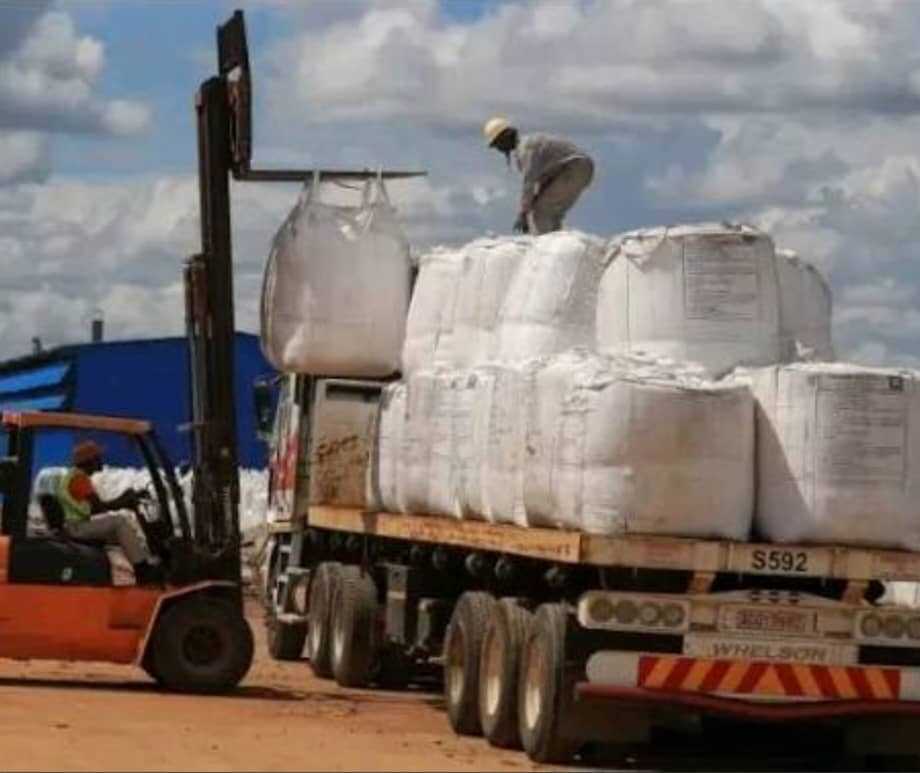
The reforms also abolish grain movement permits previously required by the Grain Marketing Board, a measure authorities say will eliminate delays and speed up grain distribution.
“The requirement for GMB grain movement permits has been abolished,” the ministry confirmed, adding that the change will result in “elimination of administrative bottlenecks, faster movement of grain, and improved market efficiency.”
Related Stories
Fish harvest fees have also been scrapped to remove duplicated regulatory charges affecting fisheries operators and aquaculture producers.
“Fish harvest fees have been eliminated to remove duplicative regulatory charges,” the statement said, noting that the reform is expected to reduce production costs and improve the viability of fisheries operations.
Government has further removed import licensing requirements for agricultural equipment spare parts to improve operational efficiency and reduce machinery downtime.
“Import licensing requirements for agricultural equipment spare parts have been removed,” authorities said, adding that the measure will improve maintenance turnaround times and raise productivity levels.
In addition, licences, permits and fees administered by the Agricultural Marketing Authority will be rationalised to eliminate duplication and reduce regulatory burdens on farmers and agribusinesses.
Key interventions include reduction and standardisation of AMA fees, removal of duplicative permits — including selected biosafety and health-related charges — and streamlining regulatory processes across institutions.
The ministry said expected outcomes include “lower compliance costs, shorter processing times, and improved operational efficiency” for farmers, exporters and small-to-medium enterprises.
Government also introduced targeted support measures affecting fertiliser producers and horticulture exporters, with emphasis on small-scale farmers, youth and women.
“Additional measures include reductions in selected regulatory fees affecting fertiliser producers and horticulture exporters,” the ministry said, adding that the reforms aim to lower input costs and enhance competitiveness in domestic and export markets.
Beyond regulatory reforms, Cabinet approved complementary structural measures to strengthen the agricultural operating environment.
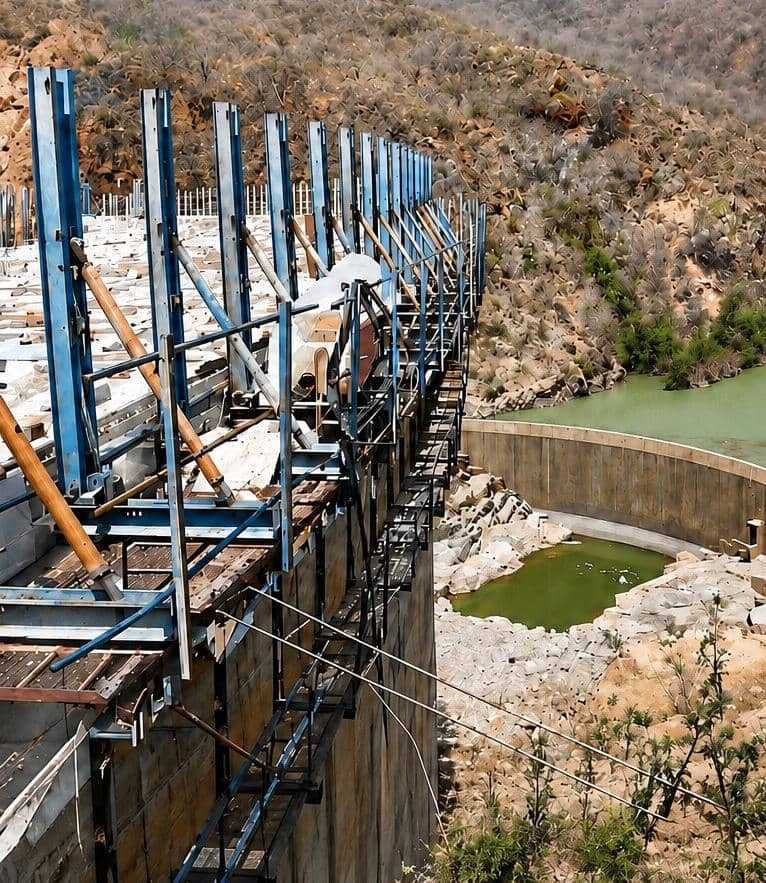
These include waivers of import licences for farmers importing equipment for their own use, reviews of regulatory frameworks to incentivise private investment in dam construction and water infrastructure, and strengthened enforcement measures to curb theft of agricultural produce and equipment.
Government said the combined reforms are expected to improve productivity, enhance market efficiency and position agriculture as a stronger driver of economic growth.








Leave Comments