







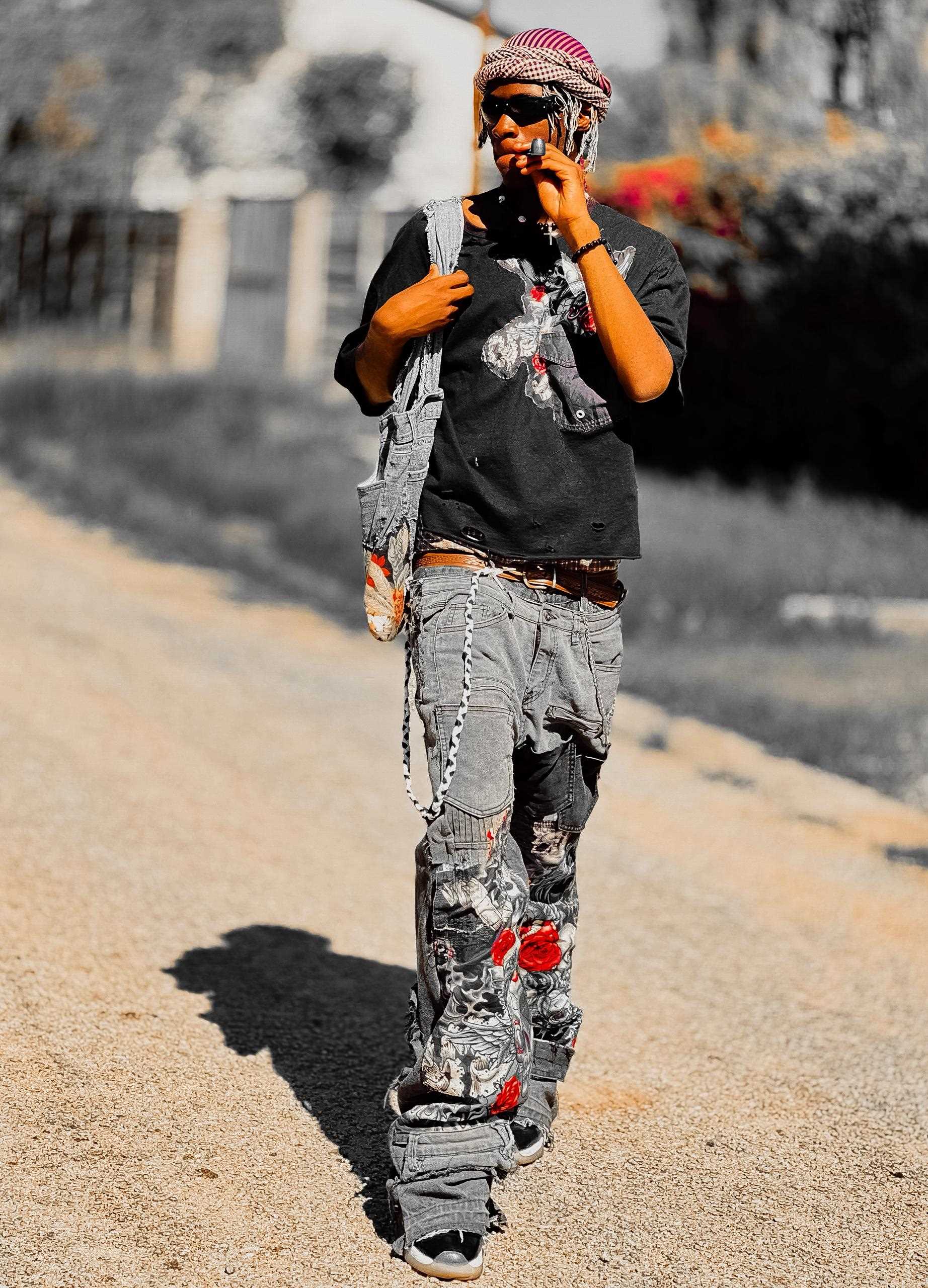
In the Midlands city of Gweru, far from the glare of global fashion capitals, a young designer is quietly carving out a name for himself by turning denim into a powerful expression of Zimbabwean identity and lived experience.
Jephason Muranda, popularly known as “Source Boi”, is emerging as one of the country’s most distinctive creative voices, using fashion to document the realities, struggles and aspirations of a generation.
His work, rooted in street culture, speaks directly to the everyday experiences of young Zimbabweans navigating life through resilience and ambition.
“My designs tell real-life stories about growing up in Zimbabwe — hustling, surviving and dreaming big,” he said.
Working primarily with denim, Muranda has transformed a common fabric into a medium of storytelling, with each piece reflecting both hardship and hope.
“I use denim to express everyday life, street culture and the emotions young people go through. It reflects both the struggles and the beauty of life in Gweru and Zimbabwe,” he said.
Growing up and creating in Gweru has played a defining role in shaping his artistic direction.
With limited exposure and resources, Muranda says he was compelled to innovate and develop a unique creative identity.
“Gweru made me creative because I had to work with what I have. It’s not a big fashion city, so I learned to be original and stand out,” he said.
Representing his hometown remains central to his mission as a designer.
Related Stories
“Representing Gweru means showing that talent can come from anywhere, not just big cities,” he said.
The name “Source Boi” reflects this philosophy of authenticity and originality that underpins his work.
“‘Source Boi’ means I come from the roots — I am the source of my ideas and my story. It represents being original, staying true to where I come from and inspiring other young creatives to believe in themselves,” he said.
Muranda’s designs stand out not only for their visual appeal but also for the meaning embedded in each piece, blending art, emotion and street culture into wearable narratives.
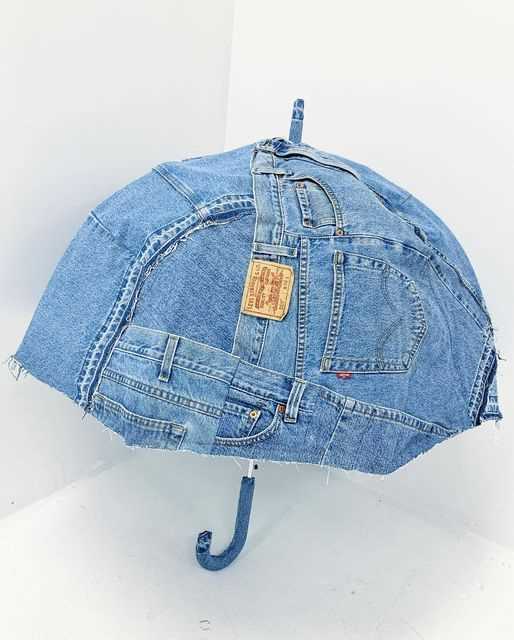
“My denim is personal. Every piece has meaning, not just style. I mix art, emotion and street culture so that when someone wears it, they feel connected to the story behind it,” he said.
While he draws inspiration from global fashion trends, Muranda remains grounded in his Zimbabwean identity, ensuring his work retains authenticity.
“I look at global fashion for inspiration, but I always add my Zimbabwean identity. I mix modern styles with local ideas so the designs feel fresh but still real and authentic,” he said.
As Zimbabwe’s fashion industry continues to evolve, Muranda is positioning himself among a new generation of creatives determined to take local talent onto the global stage.
“I want to inspire and open doors for others. I want to show that Zimbabwean fashion can go global,” he said.
“My work matters because it represents the youth, creativity and the future of our country.”
With each design, Muranda is not only building a brand but also telling a story — one that captures the spirit of Zimbabwe’s youth and the possibilities that lie ahead.








Leave Comments