








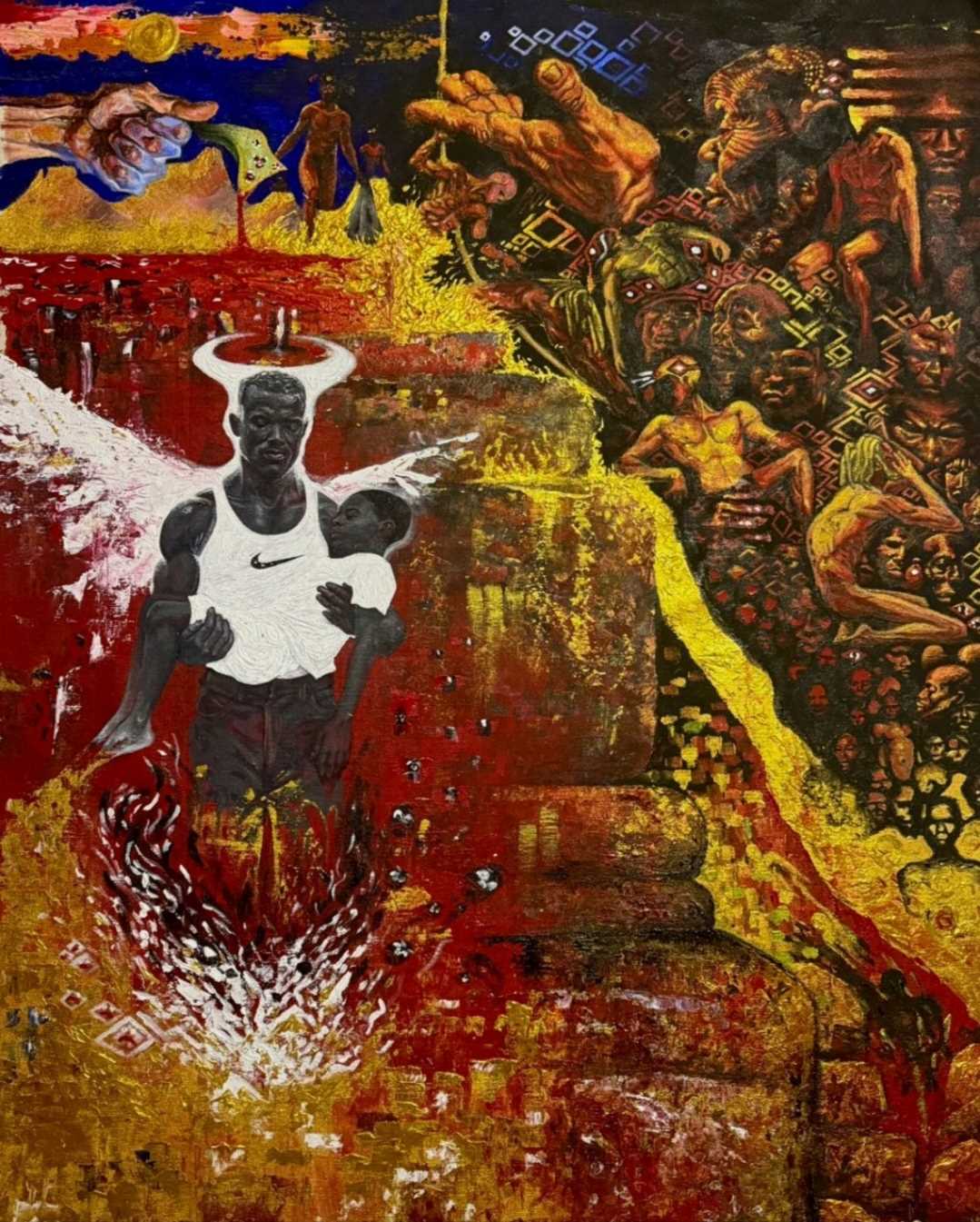
For creatives, there is often one piece of work that quietly defines everything that follows. For Zimbabwean creative Tinashe DeWolf, that defining moment came through a deeply personal artistic expression — a work that moved beyond aesthetics and became a statement about identity, emotion and self-discovery.
In an era where art is increasingly intertwined with personal narrative, DeWolf’s creative work reflects more than technical skill. It represents a generation using art as language — a way to communicate feelings, culture and lived experience in ways words often cannot.
Art as a Mirror of Self
The piece that stands out in DeWolf’s journey is not simply important because of its visual appeal, but because of what it represents: vulnerability and authenticity.
The work captures themes of individuality and transformation, echoing the internal journeys many young creatives experience while navigating adulthood, ambition and belonging. Rather than producing art solely for commercial value, DeWolf approaches creativity as introspection — using form, design and visual storytelling to translate personal experience into something universally relatable.
For audiences, the piece resonates because it feels honest. It invites viewers to pause, reflect and interpret meaning through their own experiences.
Creativity Beyond the Canvas
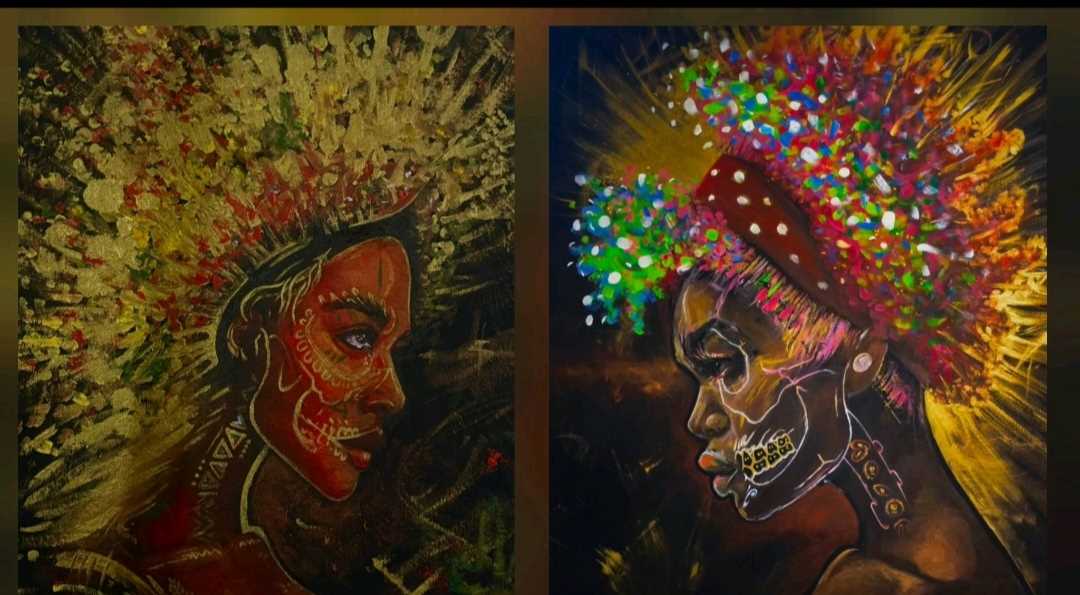
While the artwork itself holds symbolic weight, it also speaks to DeWolf’s broader lifestyle philosophy. Creativity, for him, is not confined to a single medium. It extends into how he presents himself professionally, how he connects with communities and how he builds his personal brand.
Related Stories
Across Zimbabwe’s growing creative scene, artists are increasingly blurring boundaries between art, digital culture and everyday life. DeWolf represents this shift — where creativity becomes a way of living rather than a side pursuit.
From visual experimentation to digital engagement, his work reflects a modern creative who understands that art today exists simultaneously online and offline.
The Emotional Power of Modern African Art
Young African creatives are reclaiming storytelling through visual expression, challenging traditional narratives about success and identity. DeWolf’s work contributes to this movement by embracing emotion as strength rather than weakness.
His art explores themes familiar to many young Zimbabweans: self-definition, resilience and the search for purpose in an uncertain world. By centering personal experience, the work becomes cultural commentary — quietly documenting the mindset of a generation coming of age in a rapidly changing society.
Lifestyle Shaped by Creativity
To understand DeWolf’s lifestyle is to understand how art informs daily living. Creativity shapes routines, influences social spaces and determines how ideas are consumed and produced.
The modern creative lifestyle values freedom, collaboration and authenticity. It prioritises experiences over rigid career paths and encourages continuous reinvention.
For DeWolf, art becomes both compass and conversation — guiding professional growth while connecting him to wider creative networks.







Leave Comments