









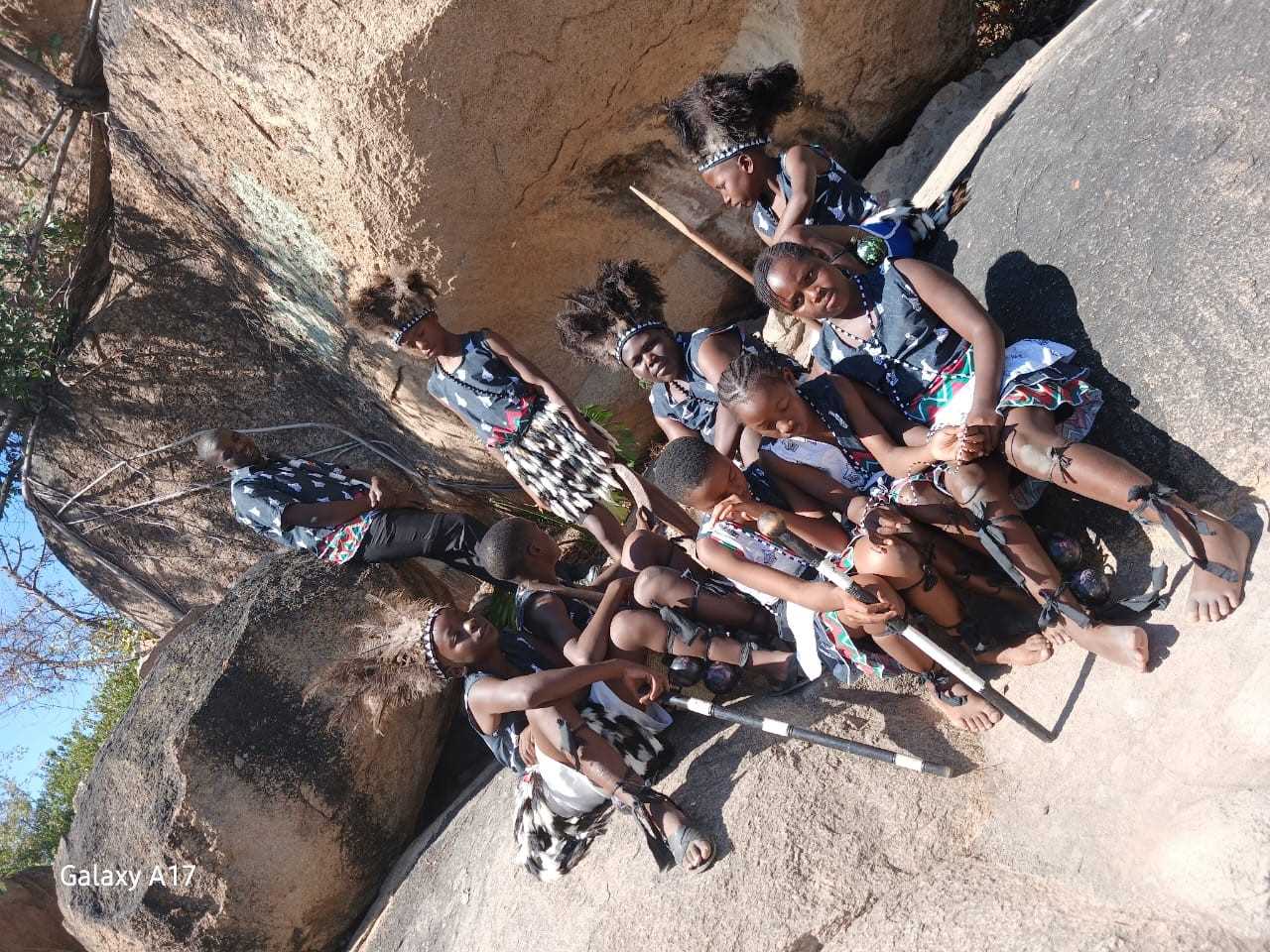
The rhythmic beat of traditional drums rolled across the grounds of the Panyatsime Cultural and Heritage Centre in Zengeza, Chitungwiza, on Monday May 25, as children, students, teachers and cultural custodians gathered to commemorate Africa Day in a celebration that blended education, identity and heritage.
For many of the young learners who attended the commemorations, the occasion was more than a colourful cultural event. It became an emotional and intellectual journey into the heart of African identity, tradition and history.
The centre hosted students and pupils from a couple of educational institutions, among them B and P Study Centre Primary and Best Learners Infant School from the Besa area of Seke rural under Manyame Rural District Council.
Through guided tours, cultural exhibitions, storytelling sessions and discussions around the heritage-based curriculum, the learners were introduced to the importance of preserving African traditions in a rapidly globalising world.
Africa Day, commemorated annually on May 25, marks the founding of the Organisation of African Unity (OAU) in 1963, the precursor to the African Union. The day symbolises African unity, liberation, cultural pride and collective development. At Panyatsime, however, the celebrations carried an even deeper meaning — reconnecting young Zimbabweans with their roots.
As traditional songs echoed from one corner of the centre and students moved from hut to hut examining artefacts, cooking utensils, musical instruments and symbols of Zimbabwean heritage, it became evident that the event was not merely ceremonial. It was educational.
B and P Study Centre Primary head Mr Godwin Mavurayi said exposing students to institutions such as Panyatsime was crucial in helping them understand their identity and cultural inheritance.
“Our learners are growing up in a generation that is heavily influenced by foreign cultures through technology and social media,” said Mavurayi.
“So when they come to a place like this, they begin to appreciate who they are as Africans and Zimbabweans. They begin to understand that our traditions are not backward, but are actually the foundation of our values, discipline and identity.”
Mavurayi said the visit complemented the country’s heritage-based curriculum by allowing students to interact physically with aspects of culture they often only read about in textbooks.
“The heritage-based curriculum is not supposed to remain theoretical,” he said.
“Students need practical exposure. When they see traditional grain storage facilities, ancient cooking methods, cultural symbols and hear oral history being narrated, learning becomes alive. It creates a deeper appreciation of history and culture.”
He added that cultural centres such as Panyatsime were essential in moulding responsible citizens who understood the significance of Ubuntu, respect and communal living.
“Our African values taught us respect for elders, unity, humility and responsibility,” said Mavurayi.
“These are values we are gradually losing because of excessive western influence. Bringing learners here helps restore those values and gives them a sense of belonging.”
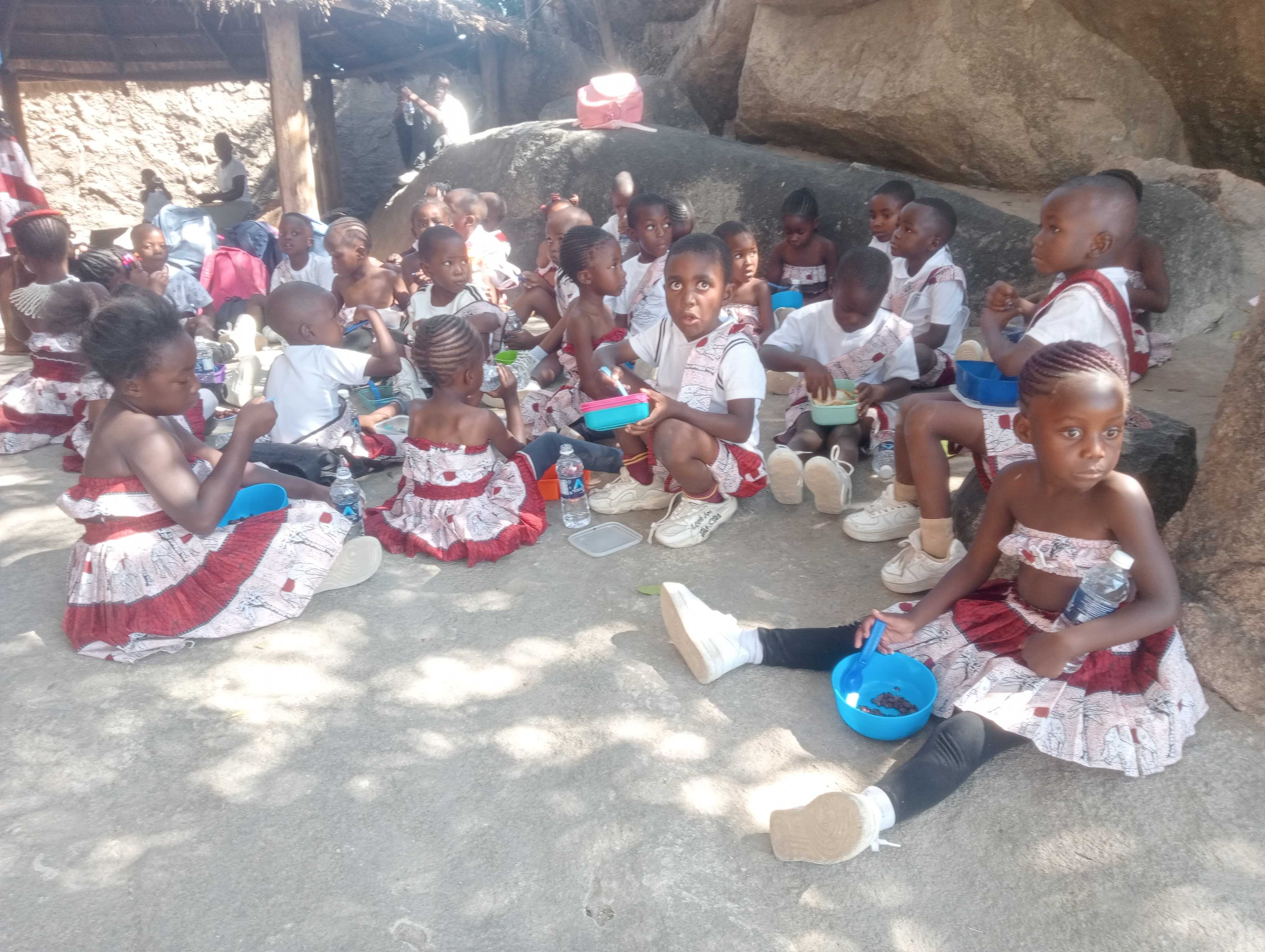
The atmosphere throughout the celebrations reflected this philosophy. Young pupils moved around excitedly while elders explained the significance of traditional artefacts and customs. Some children tried traditional musical instruments for the first time while others listened attentively to stories about African liberation struggles, indigenous knowledge systems and the role culture played in community development.
For many educators in attendance, the commemorations also highlighted the need to bridge the gap between modern education and traditional knowledge.
Best Learners Infant School head of delegation Mrs Patience Kapere said the experience had opened a new world for the young children from the rural institution.
“These pupils are still very young, and exposing them to our culture at an early stage is extremely important,” said Kapere.
“When children understand their roots early in life, they grow up confident about who they are. They develop pride in their language, traditions and history.”
Kapere said many children today were becoming detached from African culture because of changing lifestyles and digital influence.
“Most children now spend a lot of time on phones and television, consuming foreign content,” she said.
“So bringing them to a cultural centre allows them to experience something real and authentic. They touch, see and hear the stories of their ancestors. That kind of learning stays with them for life.”
She applauded Panyatsime Cultural and Heritage Centre for creating a space where young people could interact meaningfully with Zimbabwean traditions.
“This is not just a tourist attraction,” Kapere said.
“It is an educational institution in its own right. The lessons children get here are lessons that help shape character, patriotism and cultural awareness.”
The centre itself has increasingly become one of Zimbabwe’s important community-based heritage preservation facilities.
In previous interviews on the importance of preserving indigenous culture, Panyatsime Cultural and Heritage Centre director Mrs Rumbidzai Dihwa said the institution was established to safeguard African traditions and ensure younger generations remained connected to their heritage.
“Our vision is to preserve, promote and pass on African culture to future generations,” Dihwa said in an earlier interview.
“We realised that many young people were growing up without understanding their traditions, customs and indigenous knowledge systems. The centre was created to bridge that gap.”
According to Dihwa, the centre serves not only as a museum of artefacts but also as a living educational facility where culture is actively experienced.
Related Stories
“We want visitors to experience culture, not just observe it,” she said.
“When learners come here, they interact with traditional practices, architecture, storytelling, music and food. That practical engagement creates lasting appreciation.”
Dihwa has also previously emphasised the importance of cultural tourism and heritage education in nation-building.
“A nation that forgets its culture loses its identity,” she said.
“Culture gives people confidence, pride and continuity. Through heritage education we are preserving our history while also empowering future generations.”
The significance of the celebrations at Panyatsime extended beyond the walls of the centre.
Zimbabwe, like many African nations, continues to grapple with balancing modernity and cultural preservation. While urbanisation, technology and globalisation have brought development opportunities, they have also contributed to the erosion of indigenous languages, customs and communal values.
Events such as the Africa Day commemorations at Panyatsime therefore serve as important reminders that development does not have to come at the expense of identity.
Throughout the day, the students participated in discussions around African liberation history, traditional leadership structures and the role of indigenous knowledge in sustainable living.
Teachers and facilitators explained how African societies traditionally relied on environmental conservation methods, herbal medicine, communal labour systems and oral education long before the arrival of colonial systems.
The learners also witnessed traditional dances and performances that celebrated African resilience and unity.
For some pupils, it was their first time seeing certain cultural practices performed in person.
One group of students gathered around elderly women demonstrating traditional food preparation methods while another watched a storytelling session centred on African proverbs and moral lessons.
The smiles, curiosity and excitement on the children’s faces reflected the impact of the experience.
Educators attending the event said such exposure was increasingly becoming necessary in modern education.
Zimbabwe’s heritage-based curriculum seeks to place local culture, history and indigenous knowledge at the centre of learning. The curriculum encourages learners to appreciate their communities, languages, traditions and environment while developing practical life skills.
However, many schools face challenges in implementing heritage-based learning beyond classroom theory.
That is why partnerships between schools and cultural institutions such as Panyatsime are becoming more valuable.
For B and P College and Best Learners Infant School, the visit represented more than a school outing. It became a practical extension of classroom learning.
Mavurayi said the future of African culture depended largely on how effectively the younger generation was educated about its importance.
“If we fail to teach our children about their culture, someone else will teach them to despise it,” he said.
“Africa Day should not only be about speeches and celebrations. It should be about reclaiming our identity and ensuring our young people understand where they come from.”
Kapere echoed similar sentiments, saying cultural education was essential for building self-esteem and national pride.
“When children appreciate their culture, they also appreciate themselves,” she said.
“They grow up respecting others, respecting their communities and understanding the values that hold society together.”
As the celebrations drew to a close, students posed for photographs beside traditional huts while the sound of mbira music drifted gently through the centre.
For many of the young visitors, the day may have seemed like a colourful educational excursion.
Yet beneath the dancing, singing and storytelling lay something far more profound — a deliberate effort to preserve Africa’s soul through its children.
In an era where cultures across the world are increasingly threatened by homogenisation and cultural displacement, institutions such as Panyatsime Cultural and Heritage Centre are quietly performing a critical national duty.
They are preserving memory.
They are protecting identity.
And most importantly, they are reminding Africa’s next generation that before they become citizens of the modern world, they must first understand the heritage that shaped them.
As Africa marked another anniversary of continental unity and liberation, the message from Panyatsime was unmistakable: the future of Africa depends not only on economic growth and technological advancement, but also on whether its people continue to value the traditions, wisdom and identity that define the continent.
For the pupils and students who walked through the cultural village in Zengeza on Africa Day, that lesson may well become one of the most important they ever learn.






Leave Comments