






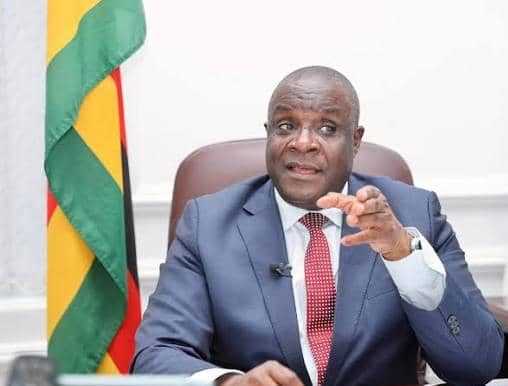
Presidential spokesperson George Charamba has agreed with opposition figure Jameson Timba that Zimbabwe’s economic growth must translate into better living standards, but argued that the benefits of expansion do not immediately reach citizens.
The exchange has revived questions over who benefits from Zimbabwe’s projected economic growth, echoing Vice-President Constantino Chiwenga’s remarks at the recently concluded ZANU PF National People’s Conference that the country’s wealth must benefit its citizens.
Timba, in a statement questioning the social impact of the economy’s projected size, said the International Monetary Fund reportedly estimates Zimbabwe’s gross domestic product at US$65.9 billion in 2026, placing it among Africa’s 14 largest economies.
But he questioned how much of the increase reflected actual economic expansion and how much resulted from GDP rebasing and valuation changes, arguing that the headline figure alone could not establish whether ordinary people were better off.
“GDP measures economic production, not the distribution of prosperity,” Timba said.
“We should neither dismiss these figures nor celebrate them uncritically. A country can become richer on paper while its citizens remain poor in practice.”
Related Stories
He challenged authorities to demonstrate whether economic growth was producing decent jobs for young people, higher wages, reduced poverty, and improved public services, asking: “Where is the citizen’s dividend?”
Charamba, responding through his Jamwanda social media handle, agreed with Timba’s central argument but cautioned against expecting economic expansion to produce immediate improvements in household welfare.
“I agree with JamesonTimba that a bigger economy must mean better lives. However, there are no instants in National Economics. There is a big lag between growth and eventual social betterment,” Charamba wrote.
He argued that government intervention aimed at redistributing economic gains could shorten the time citizens wait to benefit from growth, while stressing that the two outcomes could not happen simultaneously.
“Of course, more interventionism of a redistributive nature could abridge the lag. But there is never simultaneity,” he added.
The exchange comes against the backdrop of Chiwenga’s conference remarks on the need for Zimbabweans to benefit from the country’s natural and economic resources. His comments placed the distribution of national wealth alongside broader questions about how economic development should improve people’s lives.
The debate raises a distinction between the size of an economy and the quality of life experienced by its citizens. GDP measures the value of goods and services produced, but does not, on its own, show how income is distributed, whether jobs pay adequately or whether households can afford essential services.





Leave Comments