


Zimbabwe’s growing debt burden is increasingly being felt beyond government balance sheets, with pressure on public finances limiting resources available for health services, medicines, infrastructure and health workers.
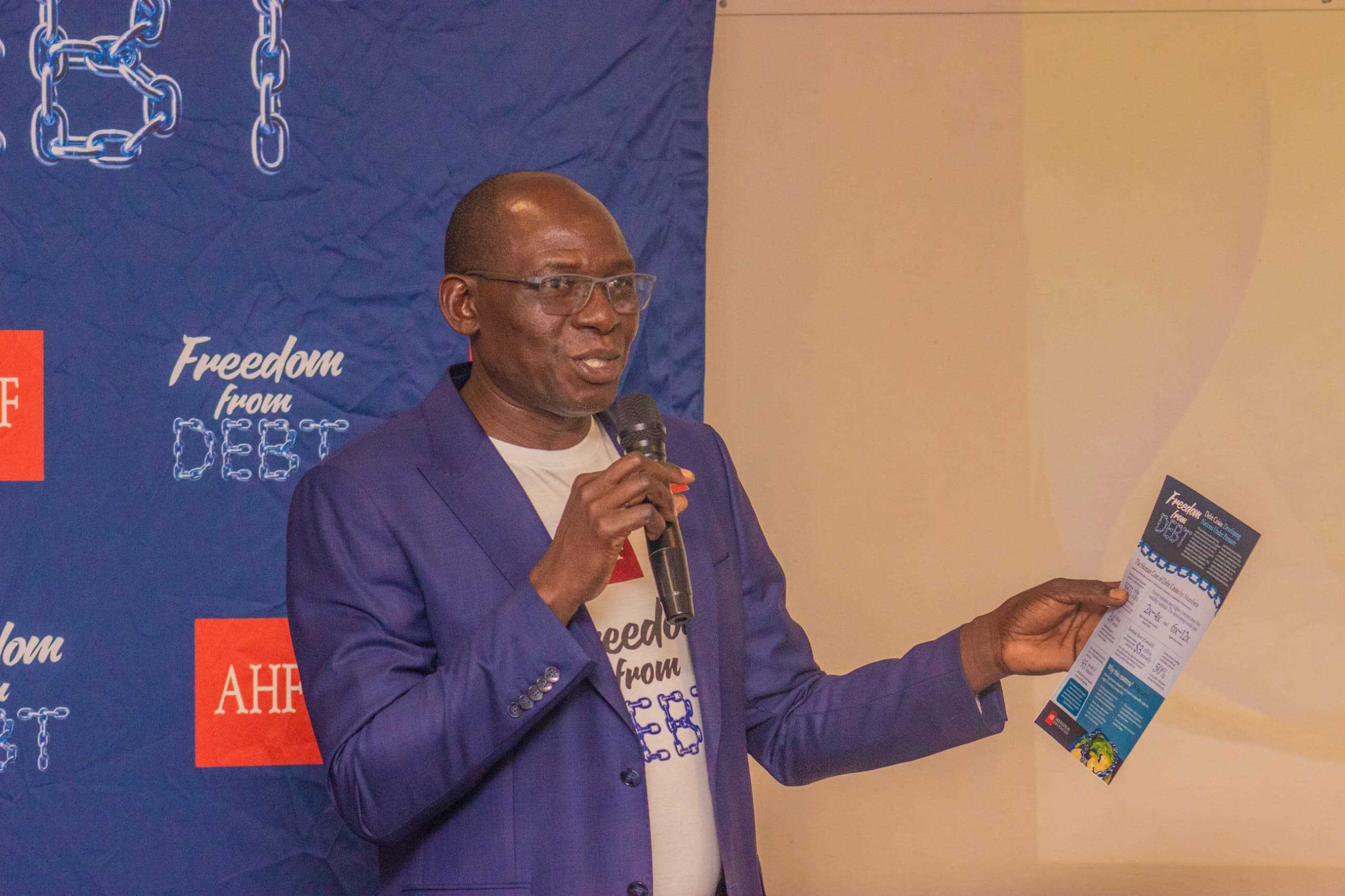
Speaking at a media engagement organised by the AIDS Healthcare Foundation, Dr Tichaona Zivengwa, Chief Economist at Africa Economic Development Strategies, said Zimbabwe’s public and publicly guaranteed debt stood at US$23.7 billion as of June 2026, equivalent to 39% of Gross Domestic Product.
Of this amount, US$10 billion, or 46.3%, was made up of arrears and penalties, while external debt stood at US$11.7 billion and domestic debt at about US$10 billion.
For the health sector, the concern is not simply how much the country owes, but how competing financial obligations affect the money available to provide essential services.
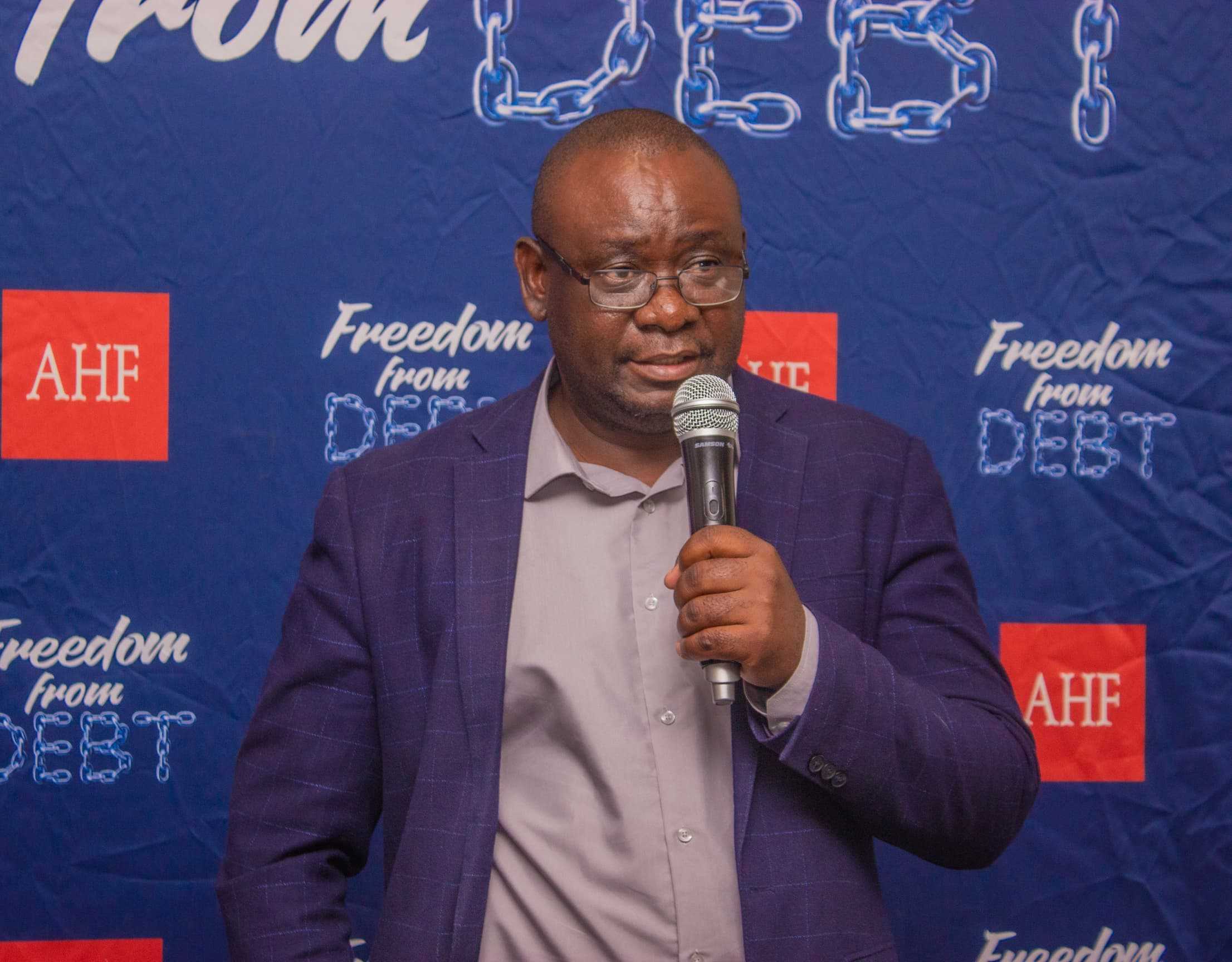
Dr Ernest Chikwati, AHF Country Programme Director, said debt was a challenge affecting many developing countries, particularly those in the Global South.
He said the consequences of debt extend to development programmes, including poverty reduction, education and health.
“Prosperity and peace is impossible under the weight of crushing sovereign debt,” Chikwati said, highlighting the need for greater attention to the relationship between debt and development.
When debt competes with health needs
According to Zivengwa, Zimbabwe’s fiscal framework faces a difficult trade-off between debt obligations and social investment.
The country spent US$220.3 million on external debt payments between January and September 2025, while 19.5% of export earnings went towards debt servicing.
Zivengwa’s presentation noted that such obligations can reduce the resources available for health, education and social protection.
The pressure is also visible in government budget implementation.
Between January and June 2026, overall government expenditure had reached 42.5% of the approved budget, while the Ministry of Health and Child Care had utilised 33% of its approved allocation — ZiG9.5 billion out of ZiG28.9 billion.
The figures point to a gap between what is budgeted for health and what is actually available for implementation.
Zivengwa further noted that although the health budget increased from US$785.9 million in 2025 to US$997 million in 2026, the ministry received only 28% of its original budget request.
Related Stories
He linked the financing gaps to drug shortages and constraints in service delivery.
The cost reaches patients
For ordinary Zimbabweans, the consequences of constrained health financing can be felt when public facilities struggle to provide medicines, equipment and other essential services.
Zivengwa’s analysis found that only 8% of the population has health insurance, leaving 92% dependent on out-of-pocket payments for healthcare.
This means that when public health services face shortages, patients may have to meet more of the costs themselves.
For low-income households, this can create difficult choices between seeking treatment and meeting other basic needs.
AHF Programme Manager Clever Taderera said it was important to look beyond national debt statistics and focus on their consequences for communities.
“Behind every statistic are people and communities whose access to public services can be affected by how national resources are raised, allocated and managed,” he said.
He said health was one of the sectors where these effects could be particularly significant because the health system requires sustained investment in medicines, medical equipment, infrastructure, health workers and services.
Why debt relief matters to health
Chikwati said AHF’s interest in the debt debate comes from its broader focus on advocating for people and addressing issues that affect their wellbeing.
He called for debt relief measures to be automatically triggered during major crises rather than being dependent on lengthy negotiations.
He cited the COVID-19 pandemic as an example of a period when countries faced extraordinary health and economic pressures while debt obligations continued to accumulate.
AHF is also advocating for developing countries with high debt burdens to coordinate their positions and speak with a stronger collective voice.
Chikwati said AHF was encouraging governments to participate in what he referred to as a “Borrowers Forum”, while also calling for automatic, interest-free debt-service suspensions during crises.
A third proposal is an AI levy, with AHF advocating for 1% of profits from artificial intelligence-related companies and investors to support debt relief and development in countries in the Global South.




Leave Comments