


Zimbabwe has launched a national educational package on menstrual health management as Government and development partners seek to tackle period poverty, stigma and inadequate menstrual-health information that continue to affect adolescent girls’ participation in education.
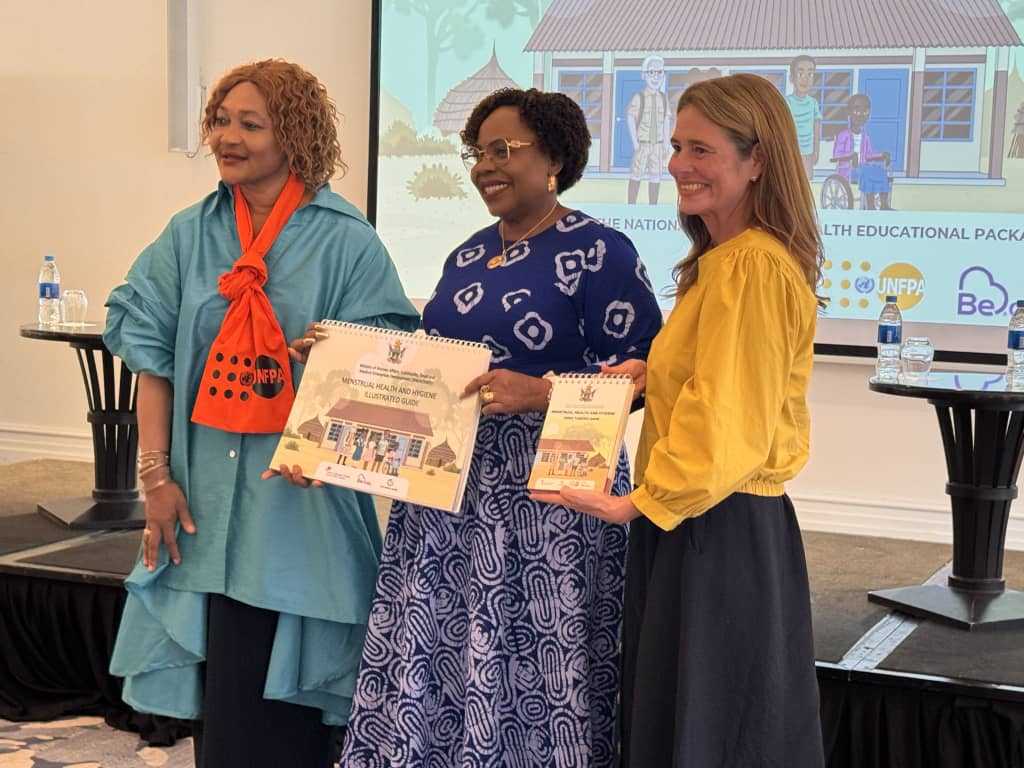
The National Comprehensive Educational Package for Menstrual Health Management, launched by the Ministry of Women Affairs, Community, Small and Medium Enterprises Development in partnership with UNFPA and other stakeholders, is expected to provide standardised, culturally adapted and evidence-based menstrual-health information in schools and communities.
The launch comes against a persistent affordability and infrastructure problem. UNFPA Zimbabwe recently said an estimated 72% of girls cannot afford menstrual products, forcing some to rely on unsafe alternatives and increasing the risk of compromised health, dignity and participation in education.
The new package therefore goes beyond the provision of sanitary products by seeking to standardise the information and education girls receive about menstruation, while addressing stigma and misconceptions surrounding the issue.
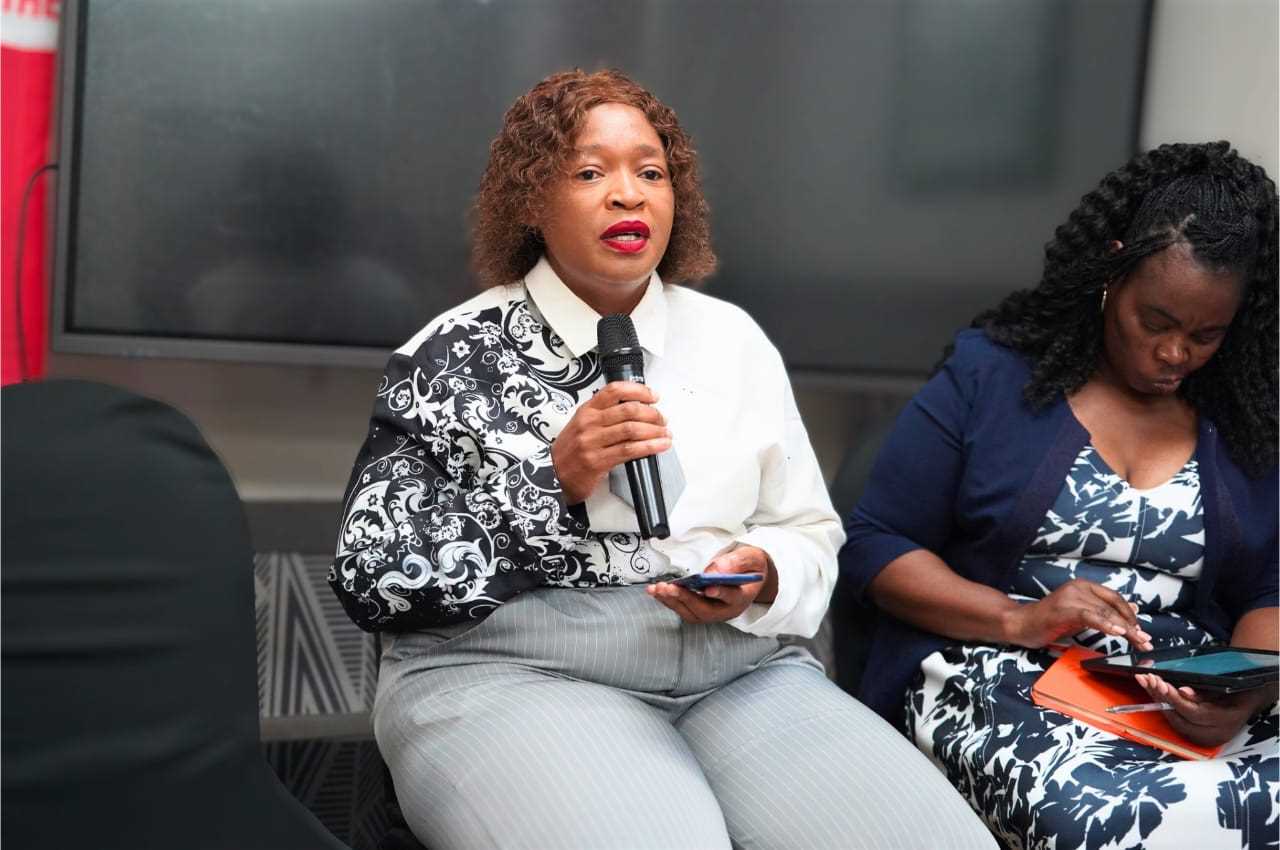
“Empowerment begins with dignity. Standardising menstrual health education across Zimbabwe ensures our young women stay in school, thrive, and achieve their full potential,” Women Affairs Minister Monica Mutsvangwa said at the launch.
She highlighted the importance of multi-sectoral cooperation in ensuring that menstrual health is treated as part of the broader effort to keep girls healthy, in school and able to realise their potential.
UNFPA Representative in Zimbabwe Miranda Tabifor said menstruation should not become an obstacle to education or personal development.
“Menstruation must never be a reason for a girl to drop out of school, compromise her health, or lose sight of her dreams,” Tabifor said.
Related Stories
She said UNFPA would continue supporting the translation of national policies and standards into practical menstrual-health education across Zimbabwe’s districts.
A UNICEF-supported study previously found that 70% of rural schools in Zimbabwe lacked water and soap necessary for girls to manage menstruation, while 77% of girls surveyed in rural and urban schools reported not having access to private, lockable facilities for changing at school.
UNICEF has also documented the consequences of inadequate menstrual-health support, including girls missing classes because they cannot manage their periods safely and privately at school. In Bikita, for example, the introduction of menstrual-friendly toilets, sanitary materials and awareness programmes enabled girls who previously returned home during menstruation to remain in class.
UNICEF reported that 76% of girls surveyed in rural and urban schools lacked basic information to help them understand the physical changes associated with adolescence.
The latest national package is consequently aimed at closing an information gap alongside the wider menstrual-health challenges involving affordability, water, sanitation, privacy and stigma.
Zimbabwe’s 2019 formative research on menstrual hygiene management, commissioned by UNICEF and the Government, examined girls aged 10 to 24 both in and out of school across all 10 provinces, highlighting the need for solutions that account for different socioeconomic, cultural and religious circumstances.
The launch also shifts the discussion from treating menstruation as a private issue affecting individual girls to recognising it as an education and public-health concern.
For measurable impact, however, standardised education underscores the need to reach schools where girls still lack basic facilities to put that knowledge into practice.
This, authorities say, means menstrual-health education must be matched by access to affordable sanitary products, clean water, soap, private changing facilities and safe disposal systems.





Leave Comments