









Unpaid care work is increasingly being recognised as one of the hidden barriers limiting women’s participation in Zimbabwe’s productive economy, with calls for the country to develop policies that acknowledge, measure and ease the burden carried largely by women.
The issue was recently brought into focus as policymakers and gender advocates pushed for greater recognition of unpaid care work, which includes looking after children, caring for sick or elderly family members, household chores and other responsibilities that are often performed without financial compensation.
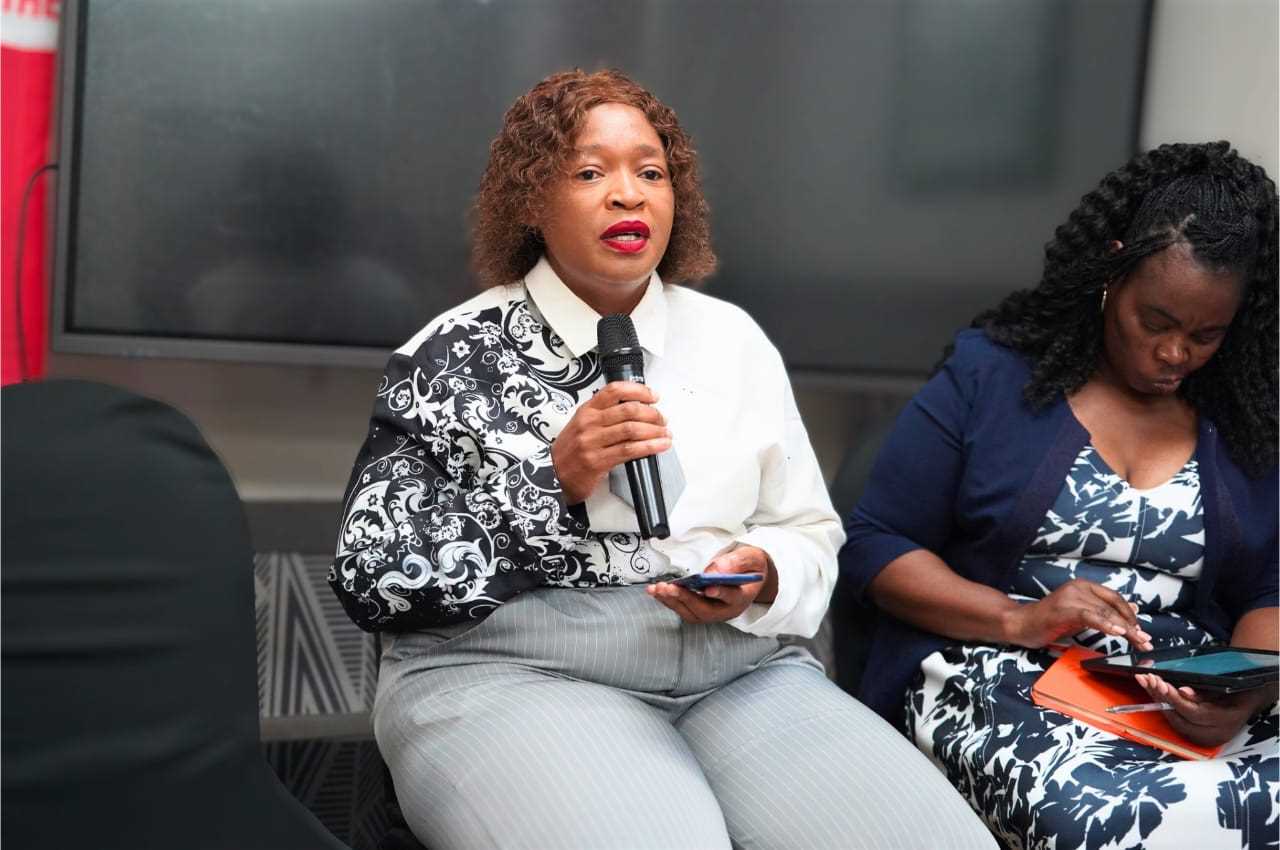
Deputy Director in the Ministry of Women Affairs, Community, Small and Medium Enterprises Matilda Singende said the burden was contributing to women dropping out of education, missing opportunities for career advancement and struggling to reach leadership positions.
Singende questioned why girls who perform well at secondary school often become less visible at senior levels of leadership.
“What is happening in between secondary education and top management?” she asked, pointing to care responsibilities as one of the factors that could explain the gap.
She said women should not have to choose between caring for their families and participating in national development.
“We want to create a situation where as much as we do the care work, we are also able to participate in national development,” Singende said.
The concerns come at a time when discussions around unpaid care work are gaining momentum, with calls for Government to move beyond acknowledging the problem and introduce practical measures to reduce the burden.
Senator Nonhlanhla Mlotshwa of Matabeleland South said there was a need for legislative action, expressing hope that the Ministry of Women Affairs would bring a Bill before Parliament.
She said Parliament should also consider the role of employers in supporting workers with care responsibilities, particularly through the provision of childcare facilities.
“Women are suffering the most. Some women miss out on promotions because they are caring for children, managing household responsibilities or looking after elderly members of society.”
Related Stories
Mlotshwa said addressing unpaid care work would require a multi-sectoral approach involving the Ministries of Women Affairs, Health and Finance.
She said the Ministry of Health should be involved because care responsibilities extend to people caring for sick family members and children with disabilities, while the Ministry of Finance would be critical in ensuring that policies are backed by resources.
Women and Law in Southern Africa Zimbabwe director Isheanesu Chirisa said the first step was recognising the economic and social value of work that is often invisible.
“Care work and domestic work is at the centre of family well-being, at the centre of community growth and national development. However, there is still limited recognition of the contribution made by unpaid care work,” she said.
Chirisa said the Ministry of Women Affairs was working with the Zimbabwe National Statistics Agency (ZimStat) on initiatives such as the Time Use Survey to establish how much time women and men spend on unpaid care responsibilities.
The data, she said, would help inform policies aimed at reducing the burden.
She also called for gender-responsive budgeting to go beyond simply counting the number of women and men benefiting from government programmes.
Instead, she said, budgets should be assessed on whether they were helping women participate in the productive economy while reducing the burden of unpaid care.
One approach already being implemented by the ministry is the development of safe markets, where childcare facilities are incorporated into spaces where women conduct their businesses.
The initiatives could help women, particularly those with young children, remain economically active without leaving their children unattended.
The stakeholders also called for accessible and affordable childcare services, arguing that existing private care services remain unaffordable for many families.








Leave Comments