







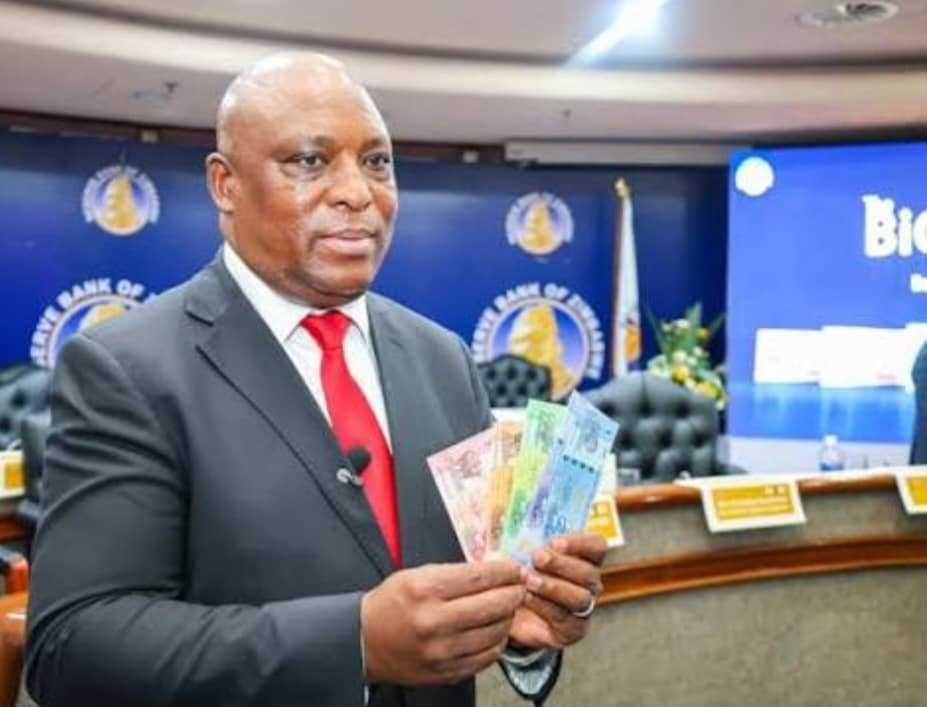
Zimbabwe’s return to a mono-currency system will be determined by market conditions rather than a predetermined Government deadline, Reserve Bank of Zimbabwe Governor John Mushayavanhu has said, as authorities tie any transition to sustained price stability and stronger foreign-currency reserves.
Mushayavanhu said the transition remained on the policy agenda but would only take place once conditions set out under the National Development Strategy 2 had been met.
“Let me reiterate that the transition to mono-currency, which has been talked about, is going to be market-led,” Mushayavanhu said.
“It is no longer dead rest but contingent upon meeting conditions precedents outlined in the National Development Strategy 2, namely durable macroeconomic stability, which is characterised by low and steady single-digit inflation, which we are already experiencing, adequate foreign currency reserves of at least three to six months of import cover in the medium to long term.”
The comments effectively shift the debate away from when Zimbabwe will abandon its multi-currency arrangement to whether the economy can sustain the conditions required for such a transition.
The central bank’s position places particular emphasis on two indicators: sustained low inflation and adequate foreign-currency reserves.
Related Stories
While the Governor said Zimbabwe was already experiencing single-digit inflation, maintaining that stability will be critical to restoring confidence in the domestic currency and avoiding the repeated currency instability that has characterised previous monetary regimes.
A mono-currency system requires sufficient external liquidity to support imports, meet international payment obligations and provide confidence that businesses and households can access foreign exchange when required.
The RBZ’s reference to three to six months of import cover therefore provides a measurable benchmark against which progress towards any future transition could be assessed.
The market-led approach also suggests that Government is avoiding another abrupt currency switch in which policy moves ahead of underlying economic conditions.
Zimbabwe introduced the Zimbabwe Gold currency in April 2024 while retaining the use of foreign currencies under the multi-currency framework. The authorities have subsequently sought to strengthen confidence in the local unit through tighter monetary policy, exchange-rate reforms and measures aimed at increasing the use of the domestic currency.
The latest position indicates that the eventual currency transition will depend on whether those measures produce durable stability rather than simply meeting a calendar date.








Leave Comments