


Public anger over a junior parliamentarian’s appeal for cars and high-end phones has ignited debate over patronage politics, even as Government moved to address digital access concerns raised by young representatives.
President Emmerson Mnangagwa officially opened the 34th Session of the Junior Parliament at the New Parliament Building in Mt Hampden on July 8, 2026. The session was held under the theme, “Ensuring Universal Access to Water, Sanitation and Hygiene for Every Child in Africa.”
As part of the proceedings, President Mnangagwa handed over Starlink kits and tablets to participants at the session, according to the Ministry of Information, Publicity and Broadcasting Services. The intervention was presented as a response to concerns raised by junior parliamentarians over ICT access, internet connectivity and the need for modern digital facilities in schools.
The digital support also fits into Government’s wider Presidential Internet Scheme. In January 2026, the Ministry of ICT, Postal and Courier Services handed over 8,000 Starlink kits to the Ministry of Primary and Secondary Education to expand internet connectivity in schools, particularly in remote and underserved areas.
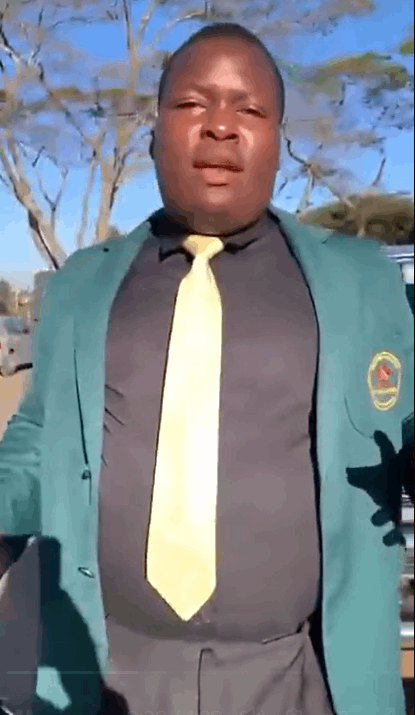
On the other hand, a junior parliamentarian at the same event appealed to businessman Wicknell Chivayo to buy cars for him and other members of the Junior Parliament, saying they currently rely on public transport. The same junior parliamentarian had earlier requested that each member be given an iPhone 17 Pro Max, arguing that their current phones produce poor-quality images and make it difficult to document issues affecting young people.
The public reaction has been swift and largely critical.
Many Zimbabweans commenting online said the issue was that the language of leadership appeared to be drifting from public advocacy into personal benefit.
Some citizens questioned why junior parliamentarians were not calling for scholarships, better schools, safer communities, improved public transport, or stronger child protection systems.
Related Stories
Others argued that if transport is a real problem, it should be framed as a national public transport issue, not as an appeal to a private businessman for cars.
Junior Parliament is meant to provide a platform for children to debate issues affecting their lives, engage policymakers and contribute ideas to programmes and policies that affect young people. The current session brought together junior parliamentarians from the country’s 210 constituencies.
Against that background, the appeals for cars and expensive phones appeared badly misaligned with the civic purpose of the platform.
Chivayo has become widely known for gifting vehicles and other expensive items to public figures, musicians, religious leaders and associates. His public gifting has made him a magnet for requests from individuals and groups seeking material assistance.
For critics, the junior parliamentarian’s appeal suggested that patronage politics is no longer just an adult political problem. It may also be shaping how young leaders understand power, visibility and access.
The public reaction shows that Zimbabweans expect logistical support to be institutional, transparent and modest, not dependent on gifts from politically connected business figures.
The episode has become a telling mirror of Zimbabwe’s political environment. It shows how quickly even youth leadership spaces can be pulled into the logic of patronage, where access to powerful benefactors risks replacing demands for systems that serve everyone.
For many Zimbabweans, that is the real worry: not merely that a junior parliamentarian asked for cars, but that individuals who should represent millions are now more concerned with their own benefits and not public welfare.




Leave Comments