








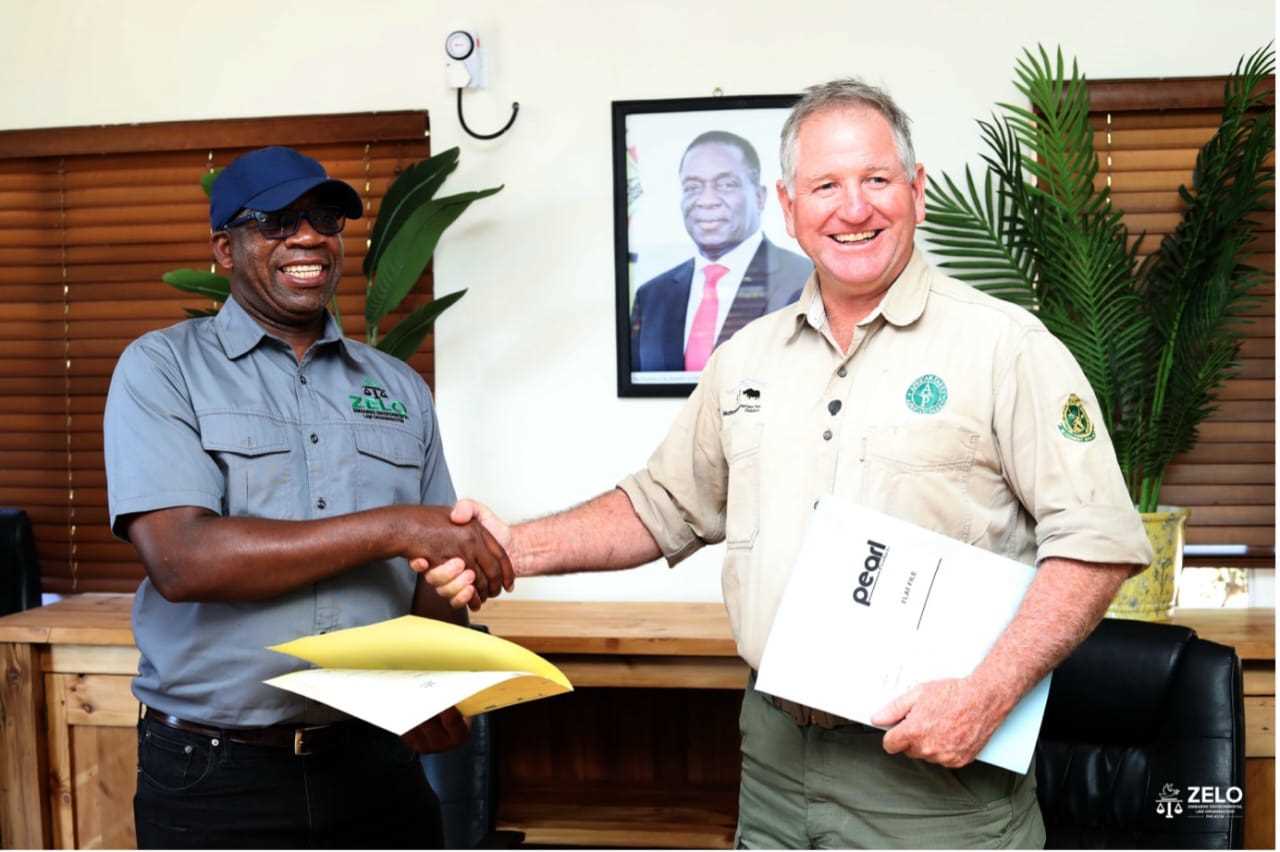
A new partnership between the Zimbabwe Environmental Law Organisation (ZELO) and African Parks has renewed attention on one of Zimbabwe's flagship conservation projects, while raising a broader question: are communities living alongside Matusadona National Park genuinely benefiting from conservation, or are they still bearing most of the costs?
The Memorandum of Understanding seeks to place local communities at the centre of conservation by strengthening participation, improving accountability and ensuring conservation delivers tangible socio-economic benefits alongside biodiversity protection.
Announcing the partnership, ZELO said it was intended to foster "meaningful community engagement, encourage inclusive participation, and support conservation efforts that benefit both people and nature."
The organisation added that the agreement is founded on the principle that "conservation approaches protect both people and nature," while ensuring "the rights and voices of local communities remain at the centre of conservation efforts."
The partnership builds on African Parks' 20-year management agreement signed with the Zimbabwe Parks and Wildlife Management Authority in 2019 to restore Matusadona National Park.
For communities living around the park, however, success is measured less by wildlife numbers than by whether conservation improves livelihoods, creates jobs and reduces human-wildlife conflict.
According to ZELO, communities are expected to benefit through solar-powered boreholes, electric-fenced nutritional gardens that protect crops from wildlife, sustainable natural resource management, employment opportunities and greater participation in decisions affecting their land and resources.
The organisation says about 70 percent of Matusadona's workforce is recruited from neighbouring chiefdoms, while conservation programmes have expanded educational support, environmental awareness and livelihood projects including regulated fisheries, beekeeping, poultry production and sewing enterprises.
ZELO Executive Director Mutuso Dhliwayo said the partnership was designed to ensure "their rights, voices, and needs remain at the core of biodiversity conservation," while strengthening accountability and equitable governance of natural resources.
The agreement also aligns with Section 13(4) of Zimbabwe's Constitution, which requires the State to ensure local communities benefit from natural resources found within their areas.
Related Stories
Beyond livelihoods, the partnership introduces stronger accountability through structured dialogue platforms and the Parks Grievance Redress Mechanism, enabling communities to report concerns ranging from human-wildlife conflict to other impacts arising from conservation activities.
African Parks says conservation cannot succeed without community support and has committed to operating in line with international human rights standards while preventing and addressing adverse impacts on neighbouring communities.
Matusadona Park Manager Michael Pelham has consistently argued that conservation and community development must go hand in hand. According to African Parks, partnerships such as the one with ZELO strengthen responses to human-wildlife conflict while supporting income-generating projects including regulated fisheries, community gardens, honey production and other locally managed enterprises.
The park has also invested in solar-powered boreholes and fenced gardens that have improved food security for more than 150 families, alongside education programmes and regular community engagement initiatives.
Despite these gains, human-wildlife conflict remains a major challenge. Crop destruction by elephants, livestock losses caused by predators and occasional attacks on people continue to affect surrounding communities.
To reduce these incidents, African Parks, the Zimbabwe Parks and Wildlife Management Authority and other partners have deployed dedicated conflict monitors, introduced GPS tracking collars for predators and strengthened rapid-response systems.
Conservation analysts, however, argue that reducing conflict alone is not enough if communities do not experience lasting economic benefits.
Zimbabwe's Communal Areas Management Programme for Indigenous Resources (CAMPFIRE), once regarded as a global model for community-based conservation, demonstrates both the opportunities and challenges of linking wildlife conservation to rural development. While it has funded clinics, schools and boreholes in many districts, direct household benefits have declined over time due to inflation, governance challenges and shrinking revenues.
The new ZELO-African Parks partnership seeks to address these concerns by promoting accountability, transparency and meaningful community participation. It also aims to involve traditional leaders and local authorities in land-use planning, including community conservancies, wildlife corridors and tourism zones that can generate long-term local income.
If successfully implemented, the partnership could help position conservation as a driver of rural economic development rather than simply an environmental programme. Across southern Africa, countries such as Namibia and Botswana have shown that community conservancies can generate jobs, tourism income and stronger incentives for wildlife protection when local communities receive direct benefits.








Leave Comments