









Zimbabwe's food production sector is emerging as one of the country's most powerful economic engines, creating more jobs than any other manufacturing subsector and reinforcing its growing role in driving industrial growth, value addition and investment.
Zimbabwe's food production industry has emerged as the country's leading manufacturing employer after recording 16 percent net employment growth in 2025, the highest among all manufacturing subsectors, as production expanded by 18 percent and revenues rose by 19 percent.
According to the Confederation of Zimbabwe Industries (CZI), food production became Zimbabwe manufacturing's clear employment heavyweight in 2025, outpacing every other subsector in net employment growth as companies expanded operations to meet rising demand for processed food products.
The sector's strong performance reflects growing activity across the country's food value chains, from agricultural production and food processing to retail distribution and hospitality.
CZI said food production registered the highest employment growth within manufacturing during the year, supported by significant increases in both production and revenue.
The development highlights the increasing importance of agro-processing in Zimbabwe's economy at a time when policymakers are prioritising industrialisation, import substitution and value addition.
Related Stories
Food manufacturers have benefited from stronger linkages with agriculture, allowing more locally produced commodities to be processed and sold within the domestic market. The expansion has created opportunities not only in factories but also across transport, packaging, warehousing, distribution and retail networks.
The growth is also becoming visible in Zimbabwe's expanding restaurant and hospitality industry.
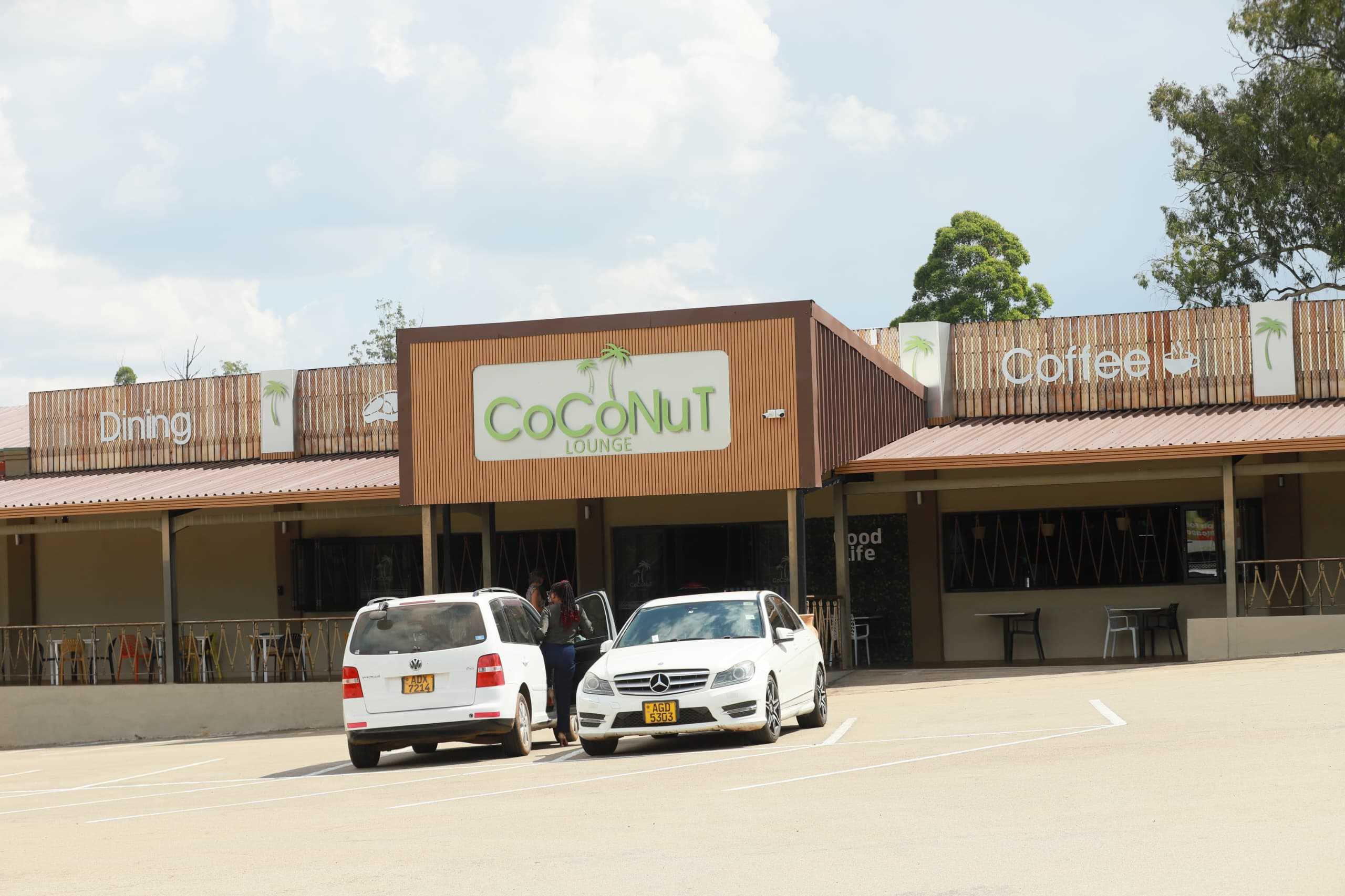
In recent months, several new food and lifestyle establishments have entered the market, including CoCoNut Lounge in Glen Lorne, which opened targeting the premium dining and lifestyle segment.
Other ventures such as Foodies and a growing number of independent restaurants and food-service businesses have added momentum to the country's evolving food economy.
The continued expansion of food-related businesses is creating demand for locally processed products while generating employment opportunities across supply chains.
According to CZI, food production emerged as Zimbabwe manufacturing's "clear employment heavyweight in 2025", underlining the sector's growing influence within the broader industrial landscape.
The sector's performance comes at a time when many economies across the region are seeking sustainable sources of employment and industrial growth.









Leave Comments