






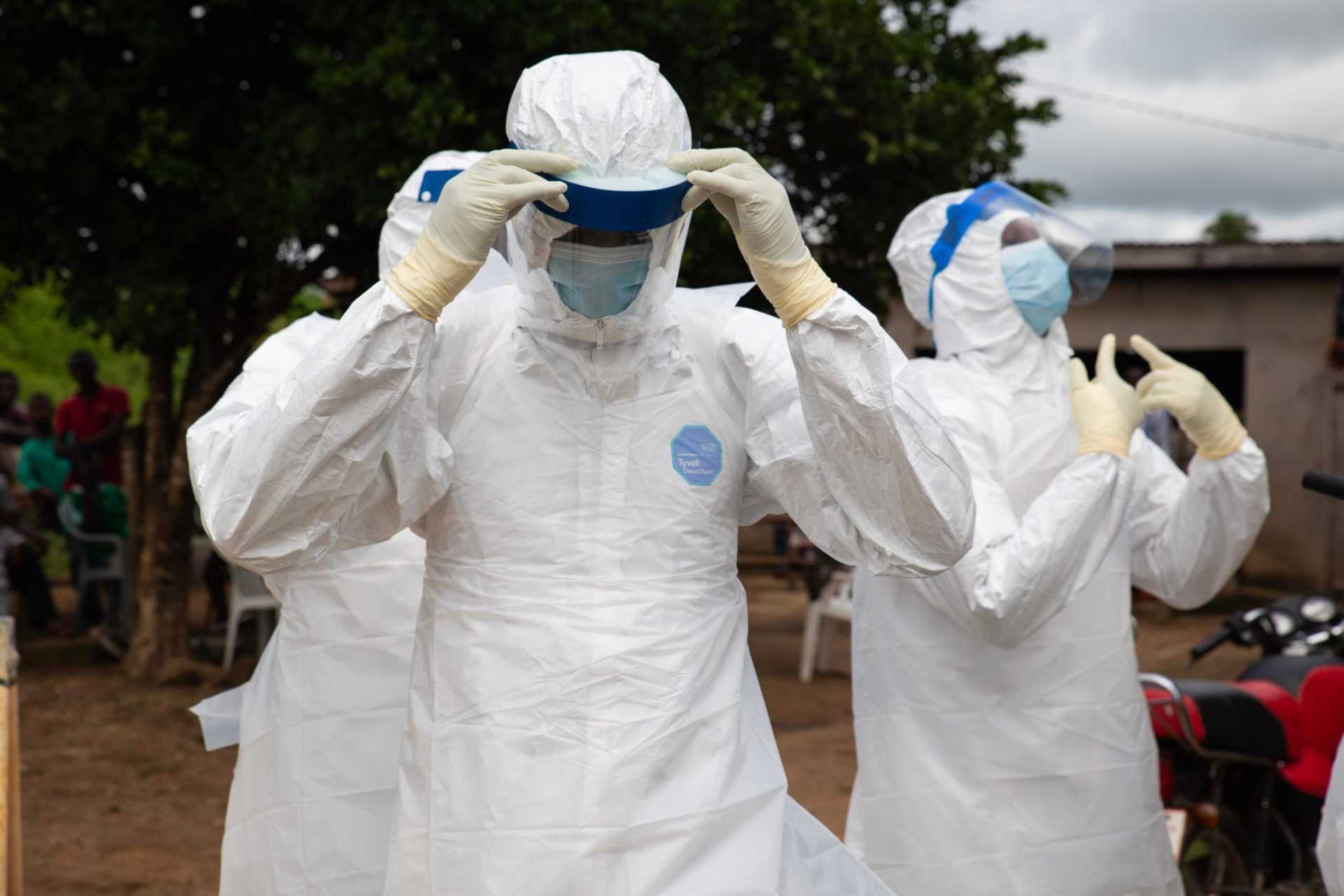
The World Health Organisation has declared the Ebola outbreak caused by the Bundibugyo virus in the Democratic Republic of the Congo and Uganda a Public Health Emergency of International Concern, citing growing risks of cross-border transmission and significant uncertainties surrounding the scale of infections.
WHO Director-General Tedros Adhanom Ghebreyesus said the outbreak meets the criteria for a global health emergency under the International Health Regulations, although it has not yet reached pandemic status.
Health authorities have reported eight laboratory-confirmed Ebola cases, alongside 246 suspected infections and at least 80 suspected deaths in Ituri Province in eastern DR Congo. Cases have been identified across multiple health zones including Bunia, Rwampara and Mongbwalu.
The situation escalated after two unrelated confirmed cases were detected in Kampala, Uganda, within 24 hours of each other among travellers arriving from DR Congo, marking confirmed international spread of the disease.
Officials say unusual clusters of community deaths and infections among healthcare workers have raised concerns about transmission within medical facilities, pointing to gaps in infection prevention measures and the potential for wider amplification of the outbreak.
Related Stories
WHO warned that the true scale of infections may be far higher than current figures indicate. High positivity rates among tested samples, increasing reports of suspected cases and ongoing insecurity in eastern DR Congo are complicating surveillance and response efforts.
Unlike earlier Ebola outbreaks linked to the Zaire strain, there are currently no approved vaccines or targeted treatments for the Bundibugyo virus, increasing the public health risk.
The agency highlighted several factors driving concern, including high population mobility, porous borders, urban transmission risks and the presence of informal healthcare networks that may accelerate spread across neighbouring countries.
WHO said international coordination is now essential to strengthen surveillance, expand laboratory testing, improve infection control in hospitals and support treatment capacity near outbreak epicentres.
Authorities in affected countries have been urged to activate emergency response systems, intensify community engagement, conduct cross-border screening and prevent travel by confirmed cases or identified contacts unless medically supervised.
An emergency committee will be convened to advise on temporary global response measures as health agencies race to contain the outbreak and prevent further regional spread.









Leave Comments