





Civil society organisations in Zimbabwe are urging government to ring-fence selected taxes for the health sector, warning that declining global health financing could threaten the sustainability of critical public health programmes.
For years, donor funding has played a central role in supporting HIV and AIDS, tuberculosis treatment, and maternal health services in Zimbabwe. However, with shifting global priorities and mounting economic pressures in donor countries, that support has been steadily shrinking. Health advocates caution that without stronger domestic financing mechanisms, the country risks reversing gains made over decades in public health.
CSOs are now drawing lessons from the AIDS Levy, a dedicated tax that has helped sustain HIV prevention and treatment programmes for more than 20 years. They argue that expanding a similar model to other earmarked health-related taxes could strengthen the resilience of the health system.
Their proposal centres on ensuring that revenues from existing health-linked taxes—such as sugar tax, fast food levies and airtime-related charges—are formally ring-fenced and channelled directly into health financing rather than being absorbed into the general treasury pool.
Related Stories
Advocates say that while government has introduced a mix of such levies over time, the absence of a legal framework ensuring their exclusive use for health means funds are ultimately pooled into the Consolidated Revenue Fund, where allocation decisions are made by the Ministry of Finance based on competing national priorities.
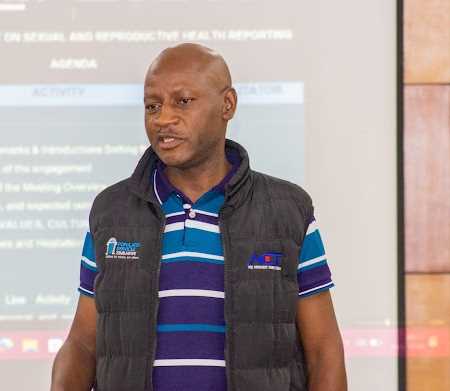
Speaking at a sexual and reproductive health rights journalists’ workshop, COMPASS County Coordinator Munyaradzi Chimwara said the decline in bilateral health support makes it urgent to establish a statutory instrument that guarantees dedicated health financing.
“We must applaud our government for having put together a mixed bag of alternative resources through what they call earmarked taxes for health. Here we are talking about sugar tax, fast food tax, airtime levies among others,” he said.
“What’s important is that as we put together these taxes, we lack a statutory instrument that ring-fences those taxes for health. That money is going into a consolidated revenue fund, which means the Ministry of Finance can distribute it as it sees fit based on need in the country. As we talk about a national health fund, we need to make sure that part of that funding is specifically directed towards health.”
Health financing experts warn that Zimbabwe’s health system remains heavily reliant on public funding for civil service salaries, while households continue to shoulder a significant burden of out-of-pocket health expenses, estimated at between 25 and 39 percent. At the same time, national insurance coverage remains limited, reaching less than 10 percent of the population.
Civil society groups say a more predictable and protected financing framework could help safeguard essential services, including maternal health care, disease prevention, and community health programmes, at a time when demand for services continues to rise.








Leave Comments