






A public lecture held at Great Zimbabwe University last week brought renewed focus to the growing intersection between climate change, mining activities and environmental governance, amid increasing debate over how Zimbabwe can balance mineral extraction with environmental protection and community rights.
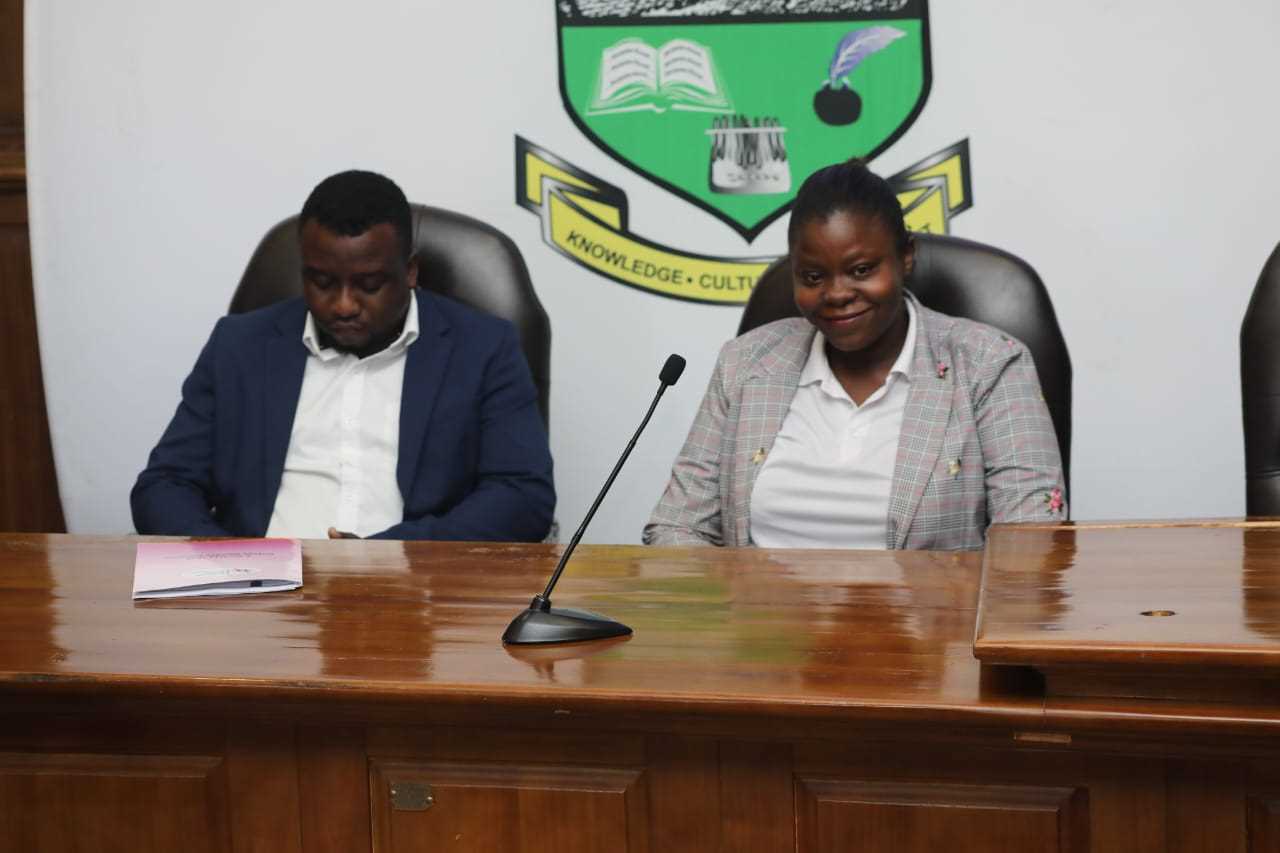
The lecture, delivered by Zimbabwe Environmental Law Organisation Legal Officer Manele Mpofu in partnership with the Gender and Media Connect Zimbabwe, examined the environmental and social pressures emerging in mining communities as demand for critical minerals linked to the global green energy transition continues to rise.
According to ZELO, the discussion explored “the critical intersection between climate change, extractive industries, environmental governance, and community rights in Zimbabwe.”
Drawing from Zimbabwe’s legal framework and practical experiences from mining-affected communities, the lecture highlighted concerns surrounding land use, water resources, environmental degradation and public participation in mining-related decision-making processes.
The session also examined constitutional environmental protections under Section 73 of the Constitution of Zimbabwe, which guarantees citizens the right to an environment that is not harmful to their health or well-being.
ZELO said discussions focused on “environmental and social challenges that arise in communities affected by mining activities, including concerns around land use, environmental impacts, water resources, and participation in decision-making processes.”
Related Stories
Particular attention was given to Environmental Impact Assessments, with participants discussing the importance of inclusive consultation processes before mining projects are approved.
“The session further examined the role of Environmental Impact Assessments, highlighting the importance of meaningful and inclusive community participation in decisions affecting land, water, and livelihoods,” ZELO said.
The lecture also explored debates around environmental justice and the concept of a “just transition” as countries shift toward cleaner energy systems powered by minerals such as lithium and other strategic resources increasingly mined across Southern Africa.
Discussions centred on the need to ensure communities directly benefit from resource extraction tied to the global green economy, amid wider calls for stronger transparency, accountability and sustainable mining practices.
Beyond the university lecture, ZELO said the discussions were extended to wider audiences through engagements on Zimbabwe Radio platforms as organisations intensify public awareness campaigns around climate governance and extractive sector accountability.






Leave Comments