









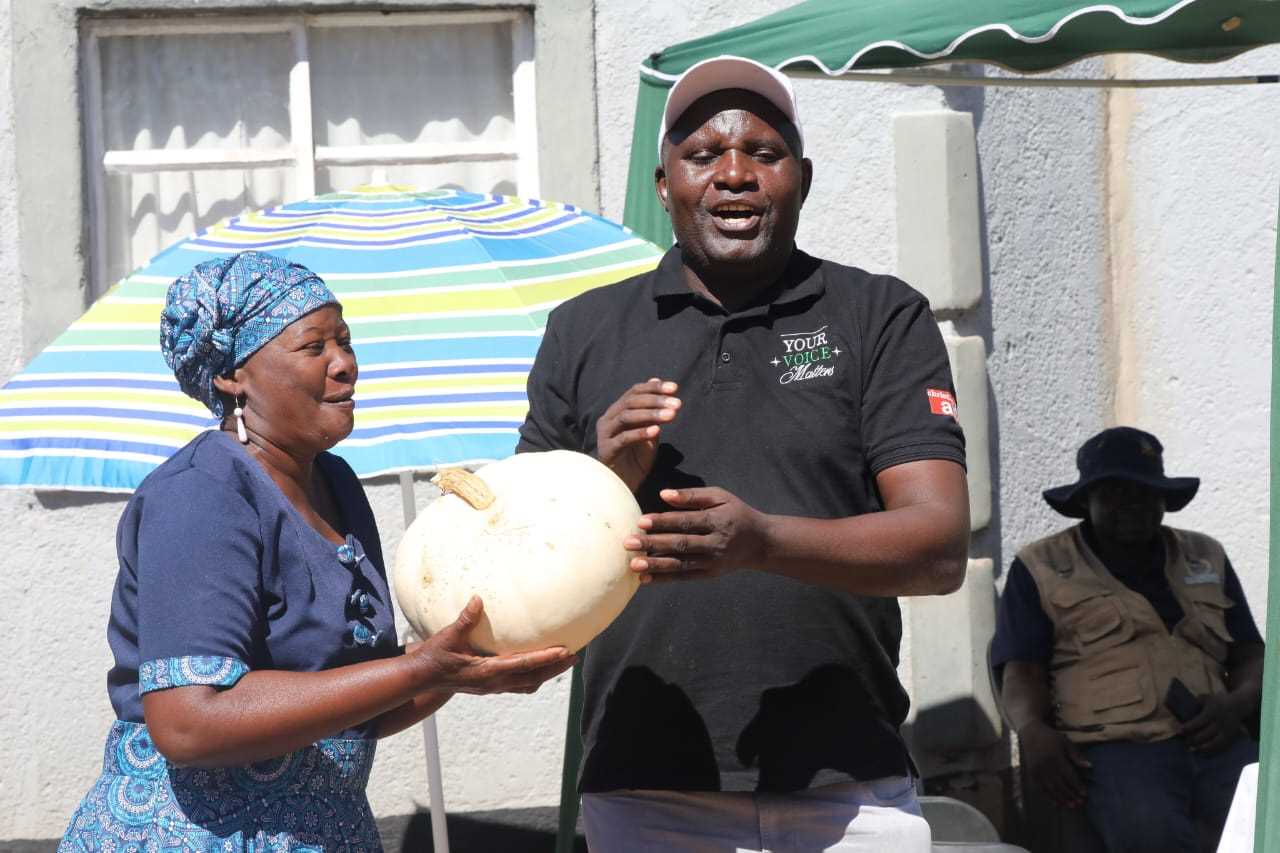
Women smallholder farmers in Bubi District are increasingly becoming central to local climate adaptation efforts as communities confront rising drought risks, shifting rainfall patterns and declining agricultural productivity linked to climate change.
The latest push comes as the world prepares for the United Nations-designated International Year of the Woman Farmer in 2026, a recognition of the growing role women play in food systems, household livelihoods and climate resilience across vulnerable rural economies.
The Zimbabwe Environmental Law Organisation, with support from the Community Agriculture Initiative for Development, last week facilitated a cross-ward peer learning exchange bringing together women farmers from Wards 1 and 12 in Bubi District to share climate-smart agricultural practices.
The programme focused on practical adaptation strategies including drought-tolerant crops, conservation farming, agroecology and water harvesting systems.
ZELO said the initiative seeks to strengthen women-led climate resilience at community level, where climate shocks are increasingly affecting agricultural output and food security.
“The activity highlighted the value of creating spaces where farmers can learn directly from one another and share practical solutions shaped by local realities,” the organisation said.
Related Stories
The exchange involved officials from the Ministry of Women Affairs, Community, Small and Medium Enterprises Development, the Department of Agricultural, Rural Development and Advisory Services, Bubi Rural District Council and local ward leadership structures.
The discussions come at a time when Matabeleland provinces continue facing recurrent drought cycles and water stress, with climate experts warning that southern Zimbabwe remains among the country’s most climate-vulnerable regions.
Recent climate outlooks from the Meteorological Services Department have already warned of a high probability of El Niño conditions developing during the 2026/27 rainfall season, raising fears of below-normal rainfall and renewed pressure on rain-fed agriculture.
Women farmers remain disproportionately exposed to climate shocks due to limited access to irrigation infrastructure, finance, mechanisation and land ownership despite forming a large share of Zimbabwe’s agricultural labour force.
Agricultural and development experts increasingly argue that climate resilience strategies must move beyond top-down interventions and incorporate locally-driven adaptation systems shaped by community knowledge and lived experience.
“As communities in Bubi continue to face climate-related challenges, strengthening collective action, women’s leadership, and access to climate-smart farming knowledge remain essential to building resilient livelihoods,” ZELO said.









Leave Comments