









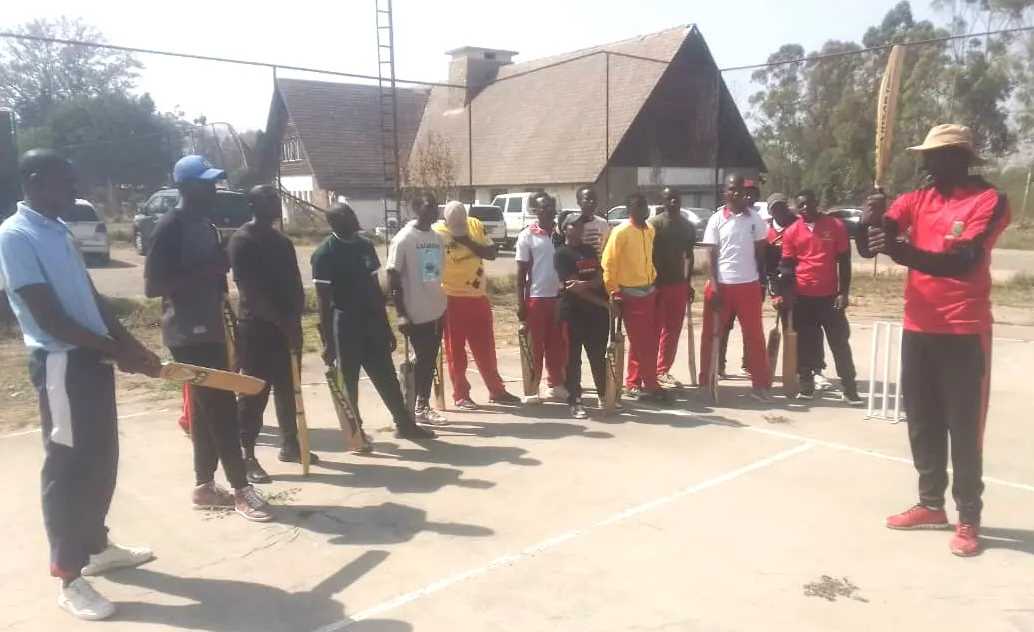
Zimbabwe Cricket says its flagship grassroots initiative, Cricket Kumusha–Cricket Ekhaya, is beginning to reshape the country’s cricket landscape after training more than 550 participants nationwide within a year.
The programme, designed to expand cricket beyond traditional urban strongholds, has focused on empowering communities to develop and sustain the sport at local level through skills training and capacity building.
Between May 2025 and April 2026, a total of 550 individuals underwent structured training programmes. Of these, 468 participants completed courses during 2025, while an additional 82 were trained in the opening months of 2026.
Participants included teachers, community organisers, security service members and representatives from local clubs — groups seen as critical to establishing long-term cricket structures in rural and previously underserved areas.
Training covered several technical areas aimed at strengthening grassroots participation. Basic Coaching programmes attracted the highest numbers, highlighting ZC’s priority of introducing cricket at entry level and building a foundation for future talent development.
Courses were rolled out across provinces such as Manicaland, Mashonaland East, Mashonaland Central, Matabeleland South and Harare Metropolitan. Some of the largest training sessions were held at Gateway College, which hosted 56 participants, and Ncema Cricket Ground, where 41 individuals took part.
Related Stories
Beyond introductory coaching, ZC also invested in match administration and officiating capacity. Level One Coaching courses enrolled 14 participants, while Grade D Umpiring programmes trained 52 individuals. A further 18 participants completed Grade D Scoring courses, strengthening officiating standards within community competitions.
ZC Managing Director Givemore Makoni said the initiative is intended to give communities ownership of cricket development rather than relying solely on centralised structures.
He noted that early results are already visible, with schools forming new teams, districts organising local competitions and institutions increasingly adopting cricket as part of their sporting programmes.
The Cricket Kumusha–Cricket Ekhaya initiative has been implemented through partnerships with government ministries, security services and teacher training institutions, including Morgan Zintec and Gateway College, allowing the programme to reach wider sections of society.
Makoni said ZC plans to expand the programme further by increasing coaching and umpiring courses, improving talent identification systems and widening participation opportunities for both boys and girls.
Future phases will prioritise underserved rural communities, strengthen school-based cricket through teacher development and establish clearer pathways linking community cricket structures to provincial and national teams.
According to ZC, the long-term vision is to ensure cricket becomes accessible in every community, with trained local leaders capable of nurturing emerging talent and sustaining the sport at grassroots level.








Leave Comments