





The United Nations Development Programme has outlined a new multi-sector development framework for Zimbabwe centred on jobs, institutional reform, resilience, and human capital development, reflecting growing recognition among development agencies that Zimbabwe’s economic and social challenges are increasingly interconnected rather than sector-specific.
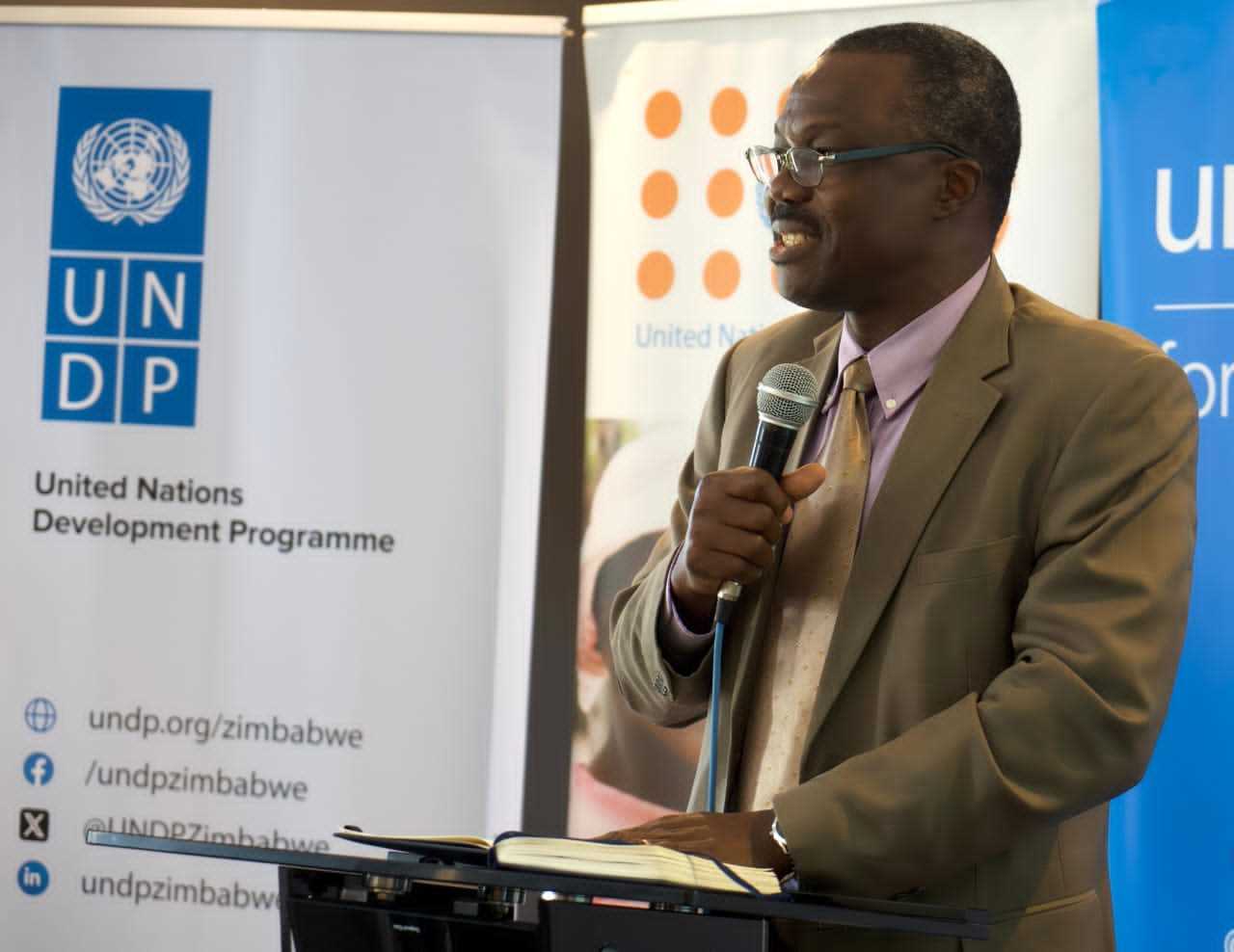
Speaking during an Informal Dialogue with Member States on new country programmes, Ayodele Odusola said the organisation’s next country programme for Zimbabwe would be built around “four mutually reinforcing priorities: jobs and growth, resilience, institutions and service delivery, and human capital.”
Odusola added that “the next Country Programme is about integrated solutions, connecting jobs, resilience, institutions and human capital for more inclusive and lasting development gains.”
The framework signals a shift away from isolated intervention models toward broader systems-based development planning, as Zimbabwe continues confronting overlapping pressures including unemployment, climate vulnerability, institutional weaknesses, service delivery constraints, and human capital challenges.
The emphasis on “jobs and growth” reflects persistent concern over Zimbabwe’s employment crisis, particularly among young people operating largely within informal and low-productivity sectors. While official economic growth figures have remained positive in recent years, labour market absorption and sustainable formal job creation continue lagging behind demographic and economic pressures.
The inclusion of resilience as a central pillar also highlights increasing concern around climate-related vulnerabilities, particularly following recurring droughts, El Niño risks, food insecurity pressures, and infrastructure shocks that continue affecting agriculture-dependent communities and economic stability.
Related Stories
At the same time, the focus on institutions and service delivery suggests continued international emphasis on governance efficiency, administrative capacity, and public sector performance as prerequisites for sustainable development outcomes. Zimbabwe’s development trajectory has often been constrained not only by resource limitations, but also by implementation weaknesses, policy inconsistency, and institutional capacity gaps.
Human capital development, another core pillar of the proposed programme, reflects growing concern over pressures facing healthcare systems, education outcomes, skills development, and social protection mechanisms. Development agencies increasingly view these areas as directly linked to long-term economic productivity and social stability rather than simply welfare interventions.
The integrated structure of the proposed programme also mirrors broader global development thinking, where economic recovery, climate adaptation, governance, and social development are increasingly treated as interconnected policy areas rather than separate silos.
However, the proposed framework also enters a complex operating environment. Zimbabwe continues facing major financing constraints, public debt pressures, infrastructure deficits, and recurring macroeconomic instability, all of which complicate long-term development planning and programme implementation.
There are also persistent debates around the effectiveness of development assistance within Zimbabwe, particularly regarding sustainability, local ownership, and the ability of externally supported programmes to generate structural economic transformation rather than short-term interventions.
The emphasis on “inclusive and lasting development gains” appears aimed at addressing those concerns by positioning the programme around longer-term systems strengthening rather than isolated project delivery.
The consultations additionally come as Zimbabwe prepares for the next cycle of international development cooperation frameworks, including the forthcoming UN Cooperation Framework for 2027–2031, which is expected to shape multilateral engagement priorities in the country.







Leave Comments