






Zimbabwe’s anti-corruption institutions are increasingly positioning asset forfeiture and unexplained wealth investigations at the centre of efforts to combat illicit financial flows, recover stolen assets, and strengthen accountability within the justice system as corruption-related losses continue weighing heavily on public finances and service delivery.
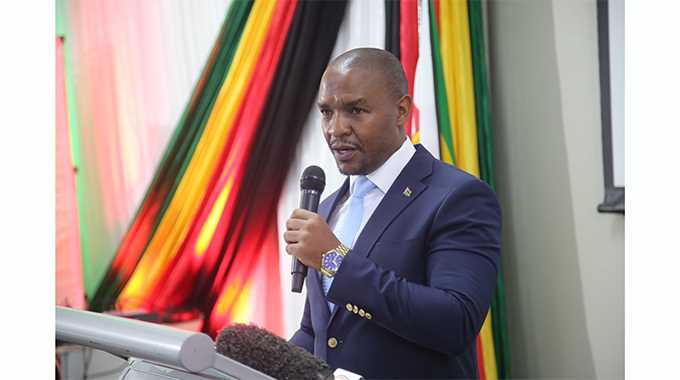
During a session titled “From Illicit Wealth to Public Good: The Role of Asset Forfeiture in Fighting Corruption,” National Prosecuting Authority of Zimbabwe Chief Public Prosecutor Mufute outlined how Zimbabwe’s legal system is increasingly relying on multiple forfeiture mechanisms to target proceeds of crime.
According to Mufute, “the session explored how illicit wealth from corruption is traced, seized, and recovered, then redirected for public benefit through asset forfeiture within Zimbabwe’s justice system.”
He explained that Zimbabwe applies three different forms of forfeiture. “Criminal forfeiture” is applied after conviction and targets assets proven to be linked to criminal activity, while “civil forfeiture” targets the property itself and does not necessarily require a criminal conviction. He added that “administrative forfeiture” is used in limited cases involving unclaimed or clearly illegal goods.
The presentation highlighted how anti-corruption enforcement is increasingly shifting beyond arrests and prosecutions toward financial disruption strategies designed to deprive offenders of economic gains derived from corruption and organised crime.
Zimbabwe’s asset recovery framework now involves multiple state institutions, including the Zimbabwe Republic Police, Zimbabwe Anti-Corruption Commission, Zimbabwe Revenue Authority, the Financial Intelligence Unit, the Asset Management Unit, and the National Prosecuting Authority.
Mufute said the system is supported by a wide range of legislation, including the Money Laundering and Proceeds of Crime Act, the Criminal Procedure and Evidence Act, the Customs and Excise Act, and laws covering wildlife crime, trafficking, and dangerous drugs.
Particular attention was drawn to Unexplained Wealth Orders under the Money Laundering and Proceeds of Crime Act. Under these provisions, individuals can be compelled to justify the origins of their assets, with failure to do so creating a legal presumption that the wealth is tainted and subject to forfeiture.
Related Stories
The increasing focus on unexplained wealth reflects broader international anti-corruption trends, where authorities are moving toward financial intelligence and asset tracing systems rather than relying solely on conventional criminal prosecutions, which are often lengthy and difficult to secure.
However, the growing use of forfeiture powers also raises legal and governance questions around due process, evidentiary standards, institutional independence, and the risk of politically selective enforcement. Asset forfeiture frameworks are globally viewed as powerful anti-corruption tools, but their credibility often depends heavily on judicial independence and transparent implementation.
Zimbabwe has historically faced criticism over weak prosecution outcomes in high-profile corruption cases despite repeated anti-corruption campaigns and arrests. Critics have often argued that enforcement has been inconsistent, while convictions and asset recoveries have remained limited relative to the scale of alleged corruption.
The renewed emphasis on recovery mechanisms therefore signals attempts to strengthen the state’s practical enforcement capacity amid rising public frustration over corruption-related losses and economic leakages.
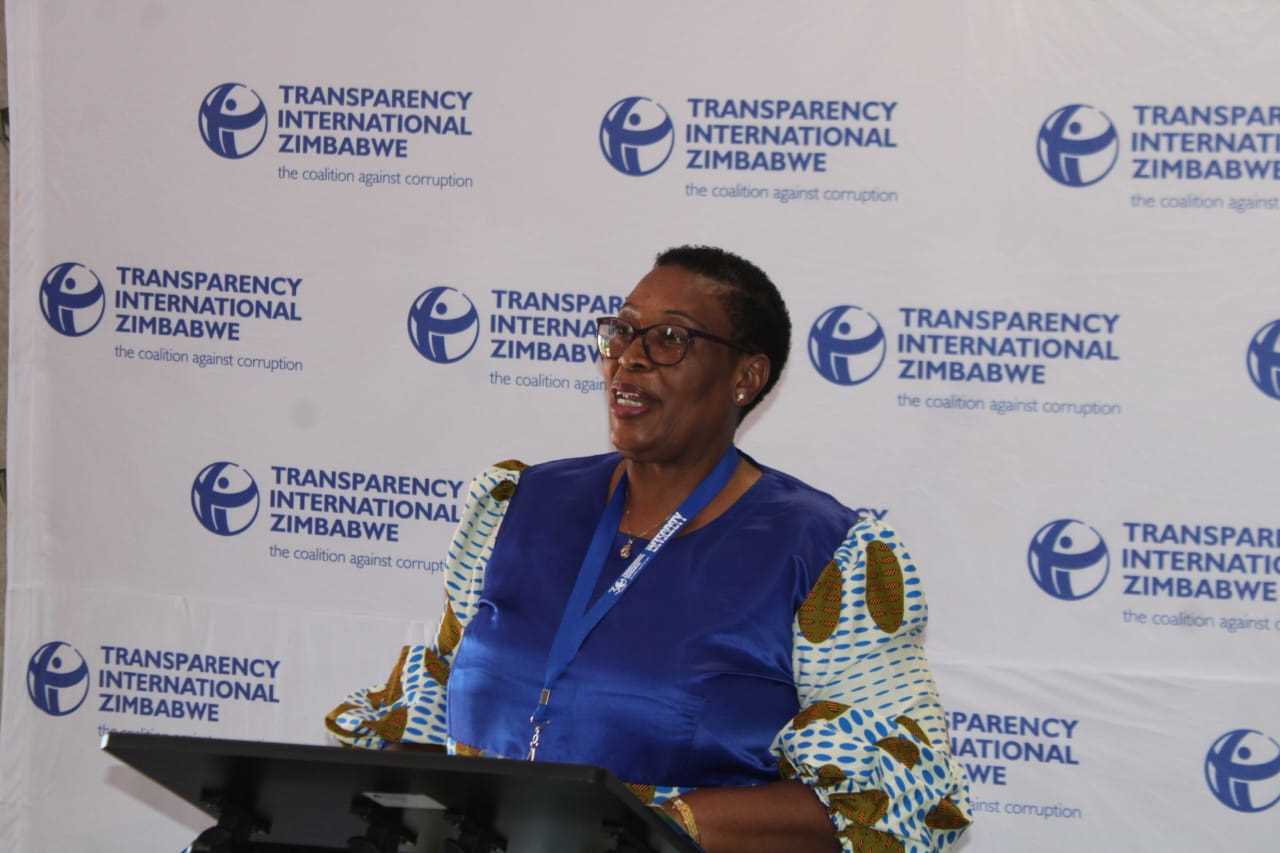
Meanwhile, former Labour Minister and veteran trade unionist Paurina Mpariwa framed corruption as both a governance and generational leadership challenge during the same engagement.
Mpariwa told participants, “As human beings, we know right from wrong. The choices are clear, even when pressure builds around us.”
She added, “We must learn how other nations have fought corruption. We are here to understand accountability as citizens and leaders.”
Her remarks reflected growing concern over institutional ethics and leadership accountability at a time when public confidence in governance systems continues facing pressure from recurring corruption allegations across multiple sectors.







Leave Comments