









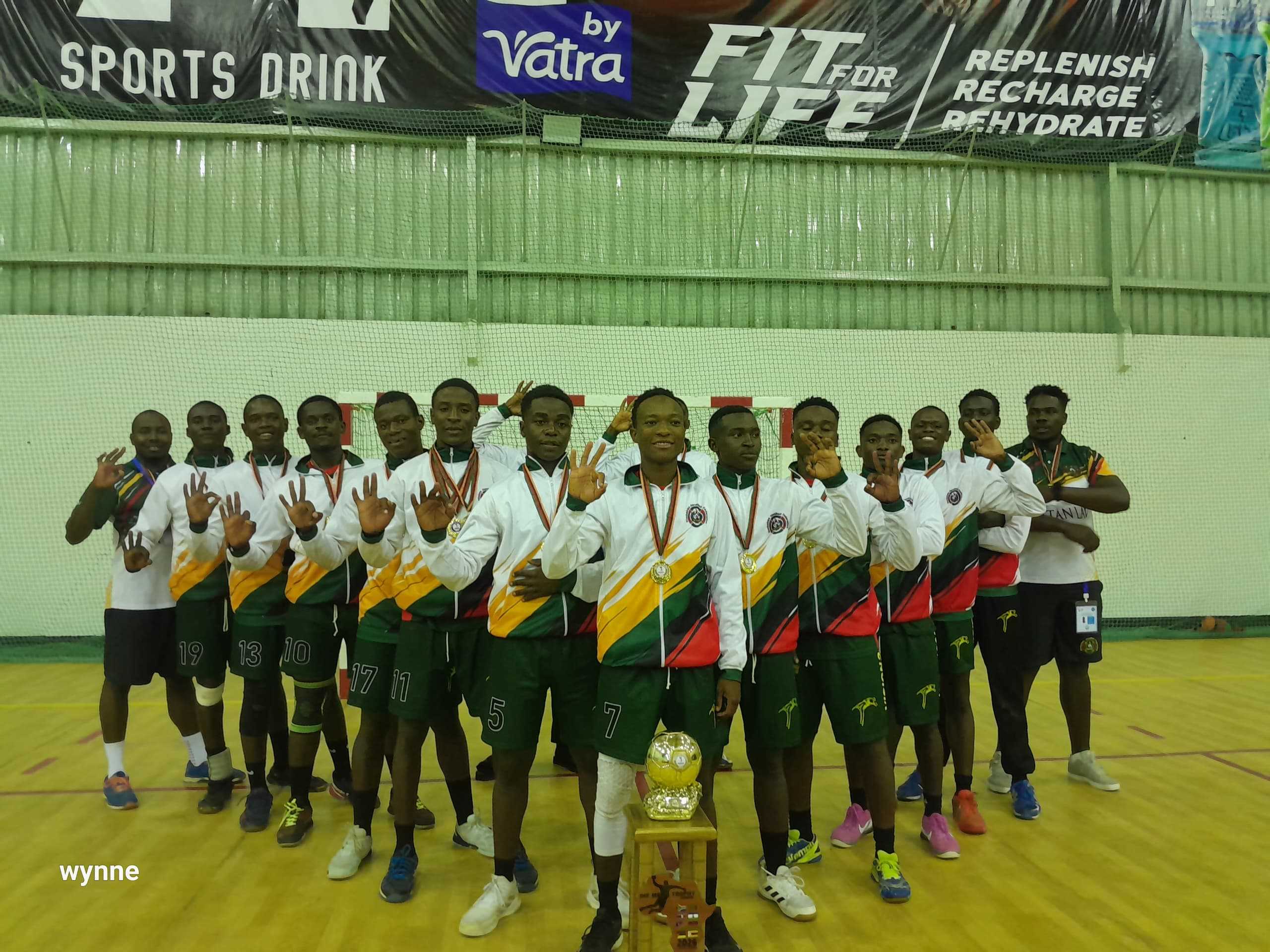
The Zimbabwe Handball Federation has taken a significant step in strengthening its youth and junior national teams by encouraging greater participation in club handball structures.
This strategic shift has already begun to yield positive results, as demonstrated by the performances of the Under-18 and Under-20 men’s teams at the 2026 Zone VI IHF Trophy held in Lusaka, Zambia.
A notable feature of the squads that travelled to Zambia was the strong presence of players drawn from local clubs, alongside a smaller number representing schools.
This reflects a growing recognition that club participation offers more consistent training, competitive match exposure, and better development opportunities compared to school sport, which is often limited to seasonal activity.
In many schools, sporting activities—particularly ball games—are typically concentrated in the second term, leaving long periods with little structured competition. In contrast, clubs participate in regular leagues and tournaments throughout the year, providing athletes with continuous development and greater exposure, including international competitions.
One institution that continues to stand out is Sodbury High School’s Spikers Handball Club, which has been actively involved in cross-border friendly matches, including tours to countries such as Zambia. Speaking to Zim Now, Spikers coach Calvin Banda emphasized the importance of international exposure in player development. He said:
“By taking players on international tours, we aim to equip them with valuable experience, broaden their understanding of the game at higher levels, and also help refresh their mindset through exposure to different playing styles and environments. We also encourage them to balance academics and sport because while talent varies, we are fortunate to have players who excel both intellectually and athletically.”
Related Stories
ZHF president Taurai Muberekwa has also strongly encouraged young players who are not yet affiliated with clubs to join in order to remain competitive. Reflecting on the team’s participation in Zambia, he stated:
“We encourage those who are not yet part of clubs to join, so they can maintain their form and continue developing. While we will still conduct periodic national team camps ahead of competitions such as the upcoming tournament in Ivory Coast, club participation remains essential in keeping players match-fit and competitive.”
The Under-18 and Under-20 national squads featured several players from established clubs such as Spikers, Manyame, and All Races Tribe, highlighting the importance of structured club systems in nurturing talent for national duty.
All Races Tribe team manager Yvette Ashburner also highlighted the transformative role clubs play in player development. She noted:
“We have seen players join the club lacking confidence, but through consistent training and adequate game time, they have grown significantly. A good example is Mutsau, who has progressed to the Under-20 national team. We worked closely with him to help him understand and develop his strengths.”
Under-20 vice-captain Tanatswa Mapolisa also credited his club experience for boosting his confidence, particularly after being given opportunities to play in senior men’s matches, which helped him gain valuable experience at a higher competitive level.
ZHF vice president Clemence Tauro echoed similar sentiments, reinforcing the federation’s position that club participation is key to long-term player development and national team success.
The results of this development strategy were evident in Zambia, where Zimbabwe’s Under-18 team secured a silver medal, while the Under-20 team went on to claim gold.
These achievements underline the growing strength of Zimbabwean handball and the increasing importance of structured club systems in producing competitive national teams.








Leave Comments