






The United Nations Development Programme has called for a shift in Zimbabwe’s development model from reliance on traditional aid to mobilising large-scale financing, as the country faces growing resource demands under its development agenda.
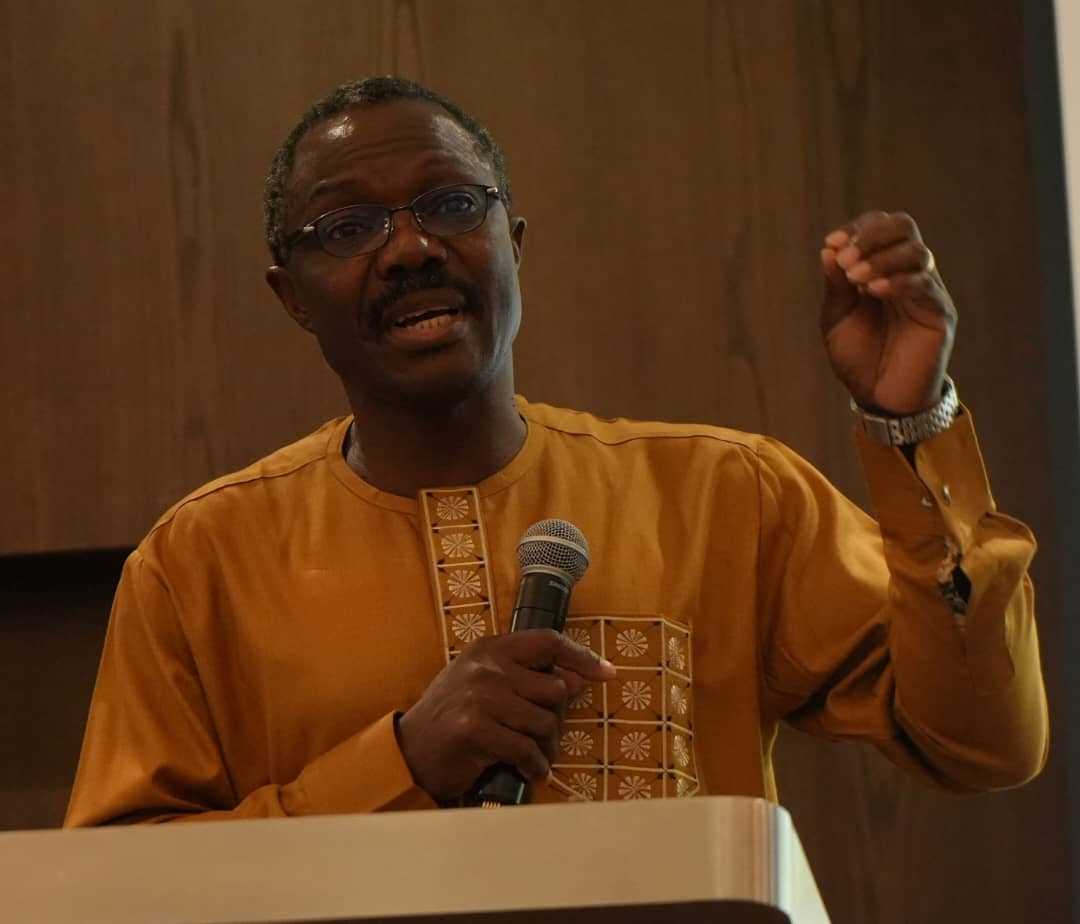
Speaking at the Country Programme Document 2027–2031 consultative meeting in Harare, UNDP Resident Representative Ayodele Odusola said achieving the Sustainable Development Goals will depend on unlocking both public and private capital.
“To achieve the SDGs, we must move from funding to financing. Mobilizing public and private capital at scale will be essential to drive sustainable development,” Odusola said.
He said Zimbabwe’s ambition to become an upper middle-income economy by 2030 will require transformation across key sectors.
“Zimbabwe’s development ambitions are bold.
Becoming an upper middle-income country by 2030 requires transformation in energy, agriculture, infrastructure, climate resilience and human capital,” he said.
UNDP outlined progress under its current programme, including supporting over 500,000 people through climate-resilient livelihoods, rehabilitating 17 dams, adding 10.9 megawatts of solar energy and drilling more than 1,000 boreholes.
While these interventions show measurable impact at community level, they remain small relative to the scale of national demand, particularly in energy, infrastructure and climate adaptation, where financing requirements run into billions of dollars.
UN Resident Coordinator Edward Kallon said partnerships will be central to delivering results.
Related Stories
“UNDP plays a unique role as an integrator of the Sustainable Development Goals, bringing together partners, institutions, and ideas to deliver solutions,” he said.
As part of the new approach, UNDP is advancing tools to attract investment into priority sectors.
“The SDG Impact Investment Map will help connect investors with bankable opportunities aligned with national priorities and the SDGs,” Odusola said.
The emphasis on financing reflects the reality that public resources alone are insufficient to meet development targets, particularly in areas such as infrastructure, energy and climate resilience, where large upfront capital is required.
Responding to questions on climate action, Odusola said access to financing remains a major constraint, especially at community level.
“Financing is a major issue. We will work with the private and public sector to make sure we provide clean energy… and ensure financing is availed for such projects,” he said.
He said the next programme cycle will prioritise irrigation, drought-resistant crops and clean energy systems, while also supporting sustainable forest management.
“The next UNDP Country Programme (2027–2031) must be forward-looking, catalytic and capable of mobilizing investment for development,” Odusola said.
The proposed shift places greater emphasis on investment-driven development, requiring stronger alignment between policy, capital flows and project implementation if the targeted outcomes are to be realised.







Leave Comments